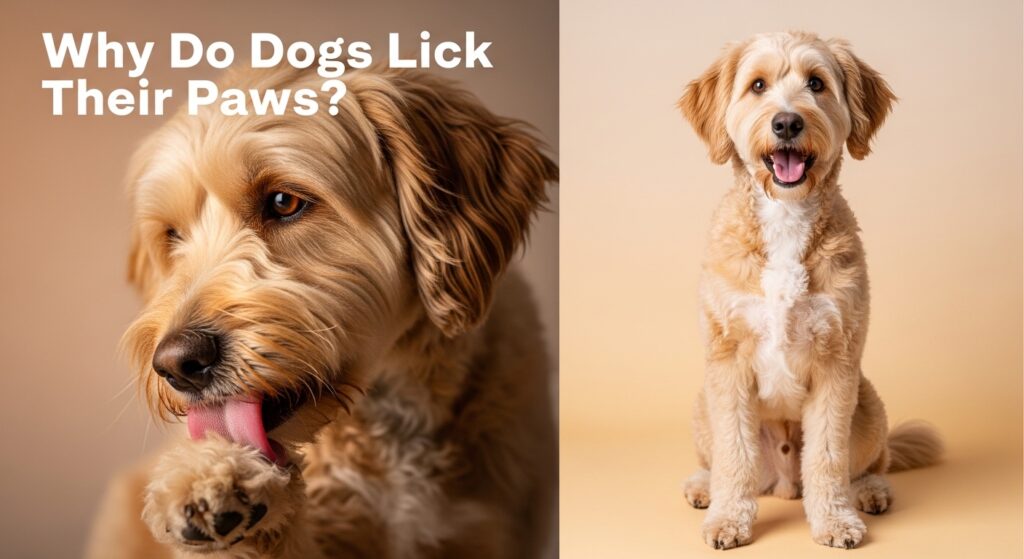

Summary: Dogs lick their paws for a wide range of reasons — from normal grooming and minor irritation to serious underlying medical conditions such as allergies, infections, anxiety, and pain. While occasional paw licking is entirely natural canine behavior, excessive or compulsive licking is a red flag that warrants veterinary attention. This guide covers every major cause of paw licking in dogs, the warning signs to watch for, how veterinarians diagnose and treat the issue, and what you, as a pet owner, can do at home to bring your dog relief and comfort.
Outline
- Why Do Dogs Lick Their Paws? A Complete Guide to Causes, Symptoms & Solutions
- Is Paw Licking Normal Dog Behavior?
- Top Reasons Why Dogs Lick Their Paws
- Signs and Symptoms to Watch For
- How Veterinarians Diagnose the Cause
- Treatment Options for Dog Paw Licking
- Preventing Paw Licking in Dogs
- Frequently Asked Questions About Dog Paw Licking
- Meta Title, Meta Description & Image Prompts
Is Paw Licking Normal Dog Behavior?
Dogs are instinctively self-grooming animals. Just like cats, they use their tongues to clean themselves after walks, meals, or playtime. A dog licking its paws after a muddy walk or a meal is perfectly healthy behavior — it is simply their version of washing up.
However, the line between normal grooming and problematic behavior becomes blurred when paw licking turns repetitive, compulsive, or obsessive. Dog owners often underestimate paw licking as “just a habit,” when in reality it may be the body’s distress signal for something requiring medical attention.
Normal vs. Excessive Paw Licking
Normal paw licking is brief, occasional, and does not result in any physical changes to the paw. It typically occurs after outdoor activity or as part of a post-sleep grooming routine. The dog remains relaxed, and the licking stops on its own after a short period.
Excessive paw licking, on the other hand, is characterized by:
- Licking that continues for long stretches of time (more than 10–15 minutes repeatedly throughout the day)
- Returning obsessively to the same paw or specific spot
- Licking that continues even when distracted or called
- Nighttime licking that disrupts sleep — for both the dog and the owner
- Licking accompanied by chewing, biting, or scratching at the paw
This type of paw licking is classified as a canine compulsive behavior when it becomes ritualistic and self-reinforcing, and it should be addressed by a veterinarian.
How to Tell If Paw Licking Has Become a Problem
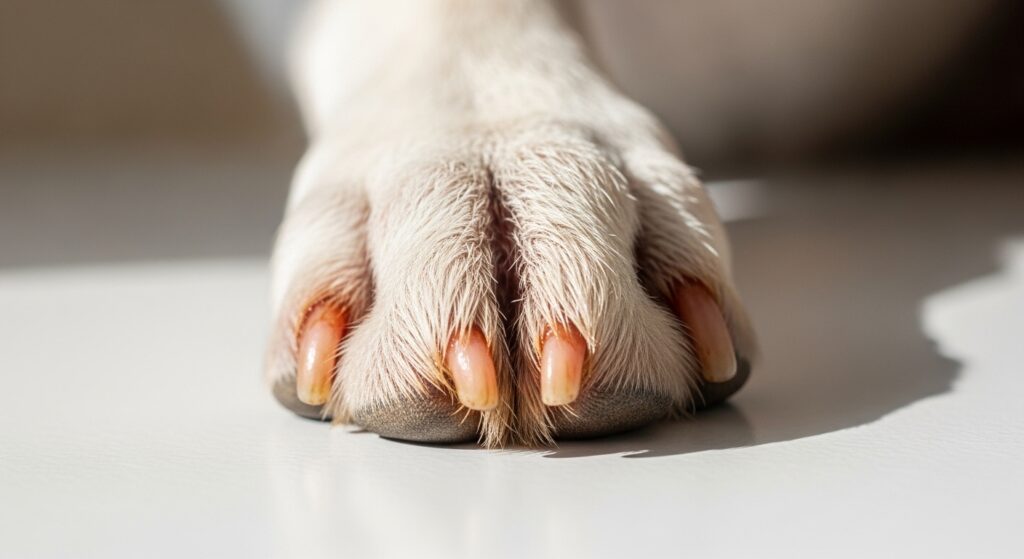
Look at the paw itself. Healthy paws should be pink or pigmented (depending on breed), free of swelling, and have smooth fur between the toes. Warning signs that paw licking has crossed into problem territory include: rust-colored or brown staining of the fur (caused by porphyrin pigments in saliva), redness or rawness between the toes, swelling, a yeasty or foul odor, and visible sores or hair loss.
If you notice any of these signs, it’s time to consult your veterinarian rather than waiting to see if it resolves on its own.
Top Reasons Why Dogs Lick Their Paws
Understanding the root cause is essential because treatment varies dramatically based on the underlying trigger. Below are the most clinically significant and commonly observed causes of canine paw licking.
Allergies (Environmental, Food, and Contact)
Allergies are by far the most common medical cause of excessive paw licking in dogs. Canine atopic dermatitis — the clinical term for allergic skin disease — affects an estimated 10–15% of all dogs and frequently manifests as paw licking, face rubbing, and belly scratching.
Environmental Allergies (Atopy): Dogs can develop hypersensitivity reactions to airborne allergens such as pollen, grass, mold spores, dust mites, and pet dander. Unlike humans, who sneeze, dogs often respond to allergens through their skin — and the paws, being in constant contact with the ground, are one of the most common sites of allergic reaction. Seasonal patterns (flare-ups in spring or fall) are a strong indicator of environmental allergies.
Food Allergies and Intolerances: Food sensitivities — most commonly to proteins like chicken, beef, dairy, wheat, soy, or eggs — can trigger systemic inflammation that shows up as itchy paws, ears, and skin. Food allergies often present year-round rather than seasonally and may not respond to antihistamines or steroids the way environmental allergies do.
Contact Dermatitis: Some dogs develop localized skin reactions to substances they walk on or touch directly — including lawn chemicals, de-icing salts, fertilizers, cleaning products used on floors, or certain grass species. The paws are the primary contact point, making them the first site of irritation.
Skin Infections (Bacterial and Fungal)
Chronic paw licking creates a moist, warm environment between the toes — the perfect breeding ground for secondary infections. Even if licking began for another reason (like allergies), infections can develop and independently drive further licking, creating a vicious cycle.
Bacterial Infections (Pyoderma): Staphylococcus pseudintermedius is the most common bacterial pathogen in canine paw infections. Interdigital furunculosis — painful, fluid-filled cysts between the toes — is a particularly uncomfortable form of bacterial paw infection common in short-coated breeds like Bulldogs, Labrador Retrievers, and German Shepherds.
Yeast Infections (Malassezia Dermatitis): Malassezia pachydermatis is a fungal organism that lives naturally on dog skin but overgrows when the skin’s pH or immune balance is disrupted. Yeast infections produce a distinctive corn chip or musty odor, along with rust-brown discoloration and intense itching. Dogs with skin folds (Pugs, Cocker Spaniels, Basset Hounds) are particularly susceptible.
Parasites: Fleas, Mites, and Ticks
External parasites cause intense itching that leads dogs to lick, scratch, and chew their skin — including their paws.
Fleas: Flea allergy dermatitis is one of the most common allergic skin conditions in dogs worldwide. Even a single flea bite can trigger a systemic allergic response in sensitized dogs, causing widespread itching with particular focus on the lower back, tail base, and — frequently — the paws.
Mange Mites: Sarcoptic mange (caused by Sarcoptes scabiei) and demodectic mange (caused by Demodex canis) both cause intense itching and skin irritation. Sarcoptic mange is highly contagious and causes severe pruritus; demodectic mange is associated with immune suppression and tends to concentrate on the face, feet, and trunk.
Harvest Mites / Chiggers: In certain geographic regions, seasonal harvest mite infestations (Neotrombicula autumnalis) cause intense itching concentrated on the paws and lower limbs, triggering furious licking episodes, particularly in late summer and autumn.
For related skin issues dogs can experience outdoors, learn more about black fly bites on dogs and how to identify and treat them.
Pain or Injury to the Paw
Dogs lick injured areas instinctively — saliva has mild antimicrobial properties, and licking is a natural pain-response behavior. If a dog suddenly begins licking one specific paw obsessively (rather than all paws or alternating paws), injury or localized pain is a primary suspect.
Common physical causes include:
- Foreign bodies: Grass seeds (especially foxtails), thorns, glass shards, or gravel lodged between the toes or pads
- Cracked or torn paw pads: From hot pavement, rough terrain, or dry winter conditions
- Broken or overgrown nails: Can cause pain and encourage licking around the nail bed
- Burns: From hot asphalt, chemical exposure, or household cleaning agents
- Insect stings: Bee or wasp stings on the paw cause acute swelling and licking
Always examine a dog’s paw carefully before assuming behavioral or allergic causes — a hidden foreign body is often the culprit in sudden-onset, single-paw licking.
Anxiety, Stress, and Boredom
Paw licking is a well-documented psychogenic behavior in dogs. When dogs experience emotional distress — whether from separation anxiety, fear, changes in routine, or understimulation — they often develop repetitive self-soothing behaviors, including paw licking. This is analogous to nail-biting or hair-twisting in humans.
Separation anxiety is one of the most common behavioral triggers. Dogs left alone for extended periods may lick their paws to self-soothe, and this behavior can escalate into a compulsive habit even in the owner’s presence once conditioned.
Boredom and understimulation are equally significant triggers in high-energy working breeds such as Border Collies, Huskies, and Belgian Malinois. Without adequate mental and physical stimulation, these dogs redirect their energy toward repetitive behaviors like paw licking.
Acral Lick Dermatitis (Lick Granuloma): When psychogenic licking becomes severe and chronic, it can result in acral lick dermatitis — a firm, thickened, often ulcerated plaque of skin, most commonly found on the front legs and paws. These lesions are difficult to resolve and require a combined medical and behavioral treatment approach. According to VCA Animal Hospitals’ clinical resources on lick granulomas, both the physical lesion and the underlying psychological trigger must be addressed simultaneously for successful treatment.
Dry Skin and Environmental Irritants
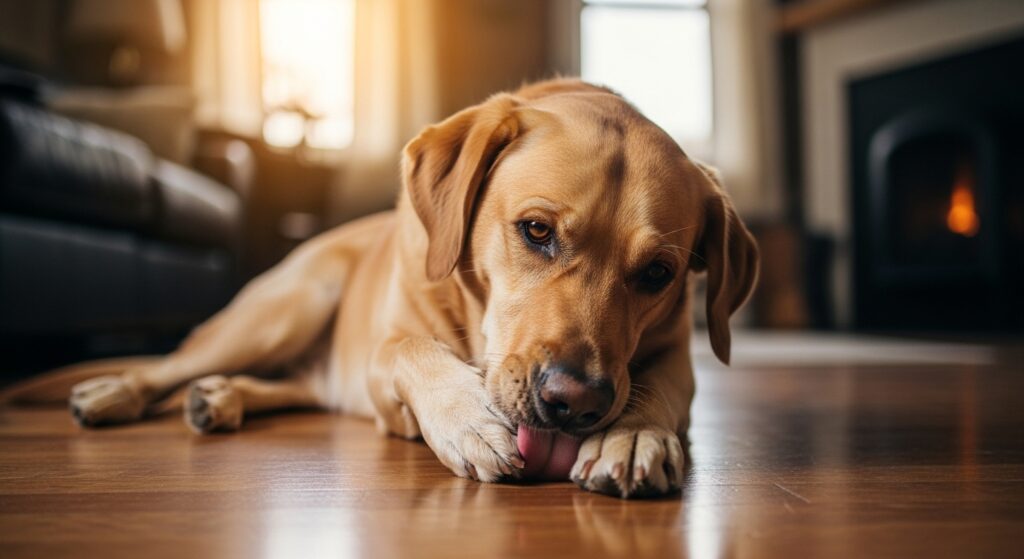
Just as humans experience chapped lips or dry, itchy skin in winter, dogs can suffer from environmental skin dryness that manifests as paw licking. Low humidity, central heating, and cold temperatures strip moisture from the skin and paw pads, causing discomfort.
Salt and chemical de-icers used on winter roads and sidewalks are a particularly irritating contact irritant. Dogs who walk on treated surfaces and then lick their paws may be ingesting small amounts of these chemicals, causing both local irritation and potential systemic toxicity.
Hormonal Imbalances
Endocrine disorders can indirectly cause paw licking through their effects on skin health.
Hypothyroidism: An underactive thyroid gland reduces the skin’s ability to renew itself and maintain its natural barrier function. Dogs with hypothyroidism often develop dry, flaky, or thickened skin, with secondary infections and itching that drives paw licking.
Cushing’s Disease (Hyperadrenocorticism): Excess cortisol production weakens the immune system and the skin barrier, predisposing affected dogs to recurrent skin infections and itching. Cushing’s disease is particularly common in middle-aged to older Poodles, Dachshunds, and Beagles.
Signs and Symptoms to Watch For
Early detection of problematic paw licking allows for faster, simpler, and less costly treatment. Monitoring your dog’s paws regularly — ideally as part of a weekly grooming routine — helps you catch changes before they escalate.
Redness, Swelling, and Inflammation
Erythema (redness) and edema (swelling) between the toes or on the paw pads are early signs of irritation or infection. You may notice your dog flinching when the paw is touched, limping, or holding the paw off the ground — all indicators of pain requiring prompt veterinary evaluation.
Hair Loss and Skin Discoloration
Repeated licking causes the fur over the affected area to thin or fall out entirely (alopecia). The saliva also deposits iron-containing compounds called porphyrins, which oxidize and stain light-colored fur a distinctive rust-red or brown. This “saliva staining” is not harmful in itself but is a reliable visual marker of chronic licking — especially visible in white or cream-colored dogs.
Odor and Discharge
A yeasty, corn-chip smell from the paws often signals a Malassezia overgrowth. A more pungent, foul odor accompanied by discharge, pus, or crusting suggests a bacterial infection. Either type of odor warrants a veterinary examination and should not be masked with deodorant sprays, as they may worsen the underlying condition.
How Veterinarians Diagnose the Cause
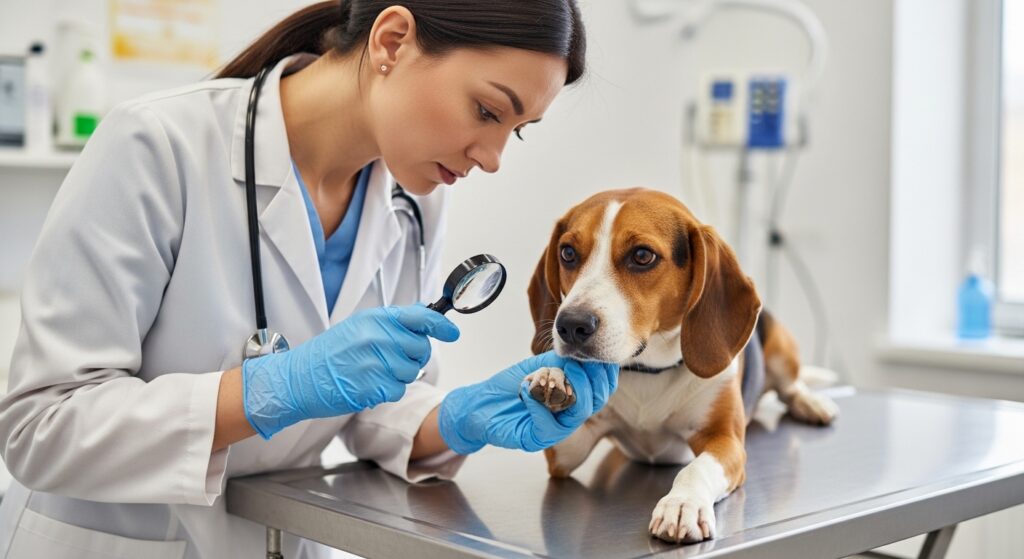
Physical Examination
A thorough hands-on examination of the paws — including between the toes, under the pads, and around the nail beds — is the essential first step. The vet will look for foreign bodies, signs of infection, parasites, structural abnormalities, and skin lesion patterns that point toward specific diagnoses.
Allergy Testing and Elimination Diets
If allergies are suspected, the veterinarian may recommend:
- Intradermal skin testing: Small amounts of common allergens are injected under the skin and reaction patterns are mapped — considered the gold standard for environmental allergy diagnosis
- Serum allergen-specific IgE testing: A blood test that measures immune responses to various allergens
- Hydrolyzed or novel protein elimination diet trials: The dog is fed a strict hypoallergenic diet for 8–12 weeks to determine whether food allergy is driving symptoms. No treats, flavored medications, or table scraps are permitted during this period, as even minimal allergen exposure can invalidate the trial
As noted by the American Kennel Club’s health resources, food allergy diagnosis requires strict dietary discipline and patience, as results may not become apparent for several weeks.
Skin Scraping and Cytology
A skin scraping or tape impression test can identify mites, bacteria, or yeast under the microscope in as little as a few minutes. Cytology (microscopic examination of skin cells) helps differentiate between bacterial pyoderma and Malassezia infections — crucial because each requires a different treatment protocol. Culture and sensitivity testing may be needed for antibiotic-resistant infections.
Treatment Options for Dog Paw Licking
Medical Treatments
Treatment is tailored to the diagnosed cause:
For Allergies:
- Cytopoint (lokivetmab) injections — a monoclonal antibody therapy targeting the itch signal, typically effective within 24 hours and lasting 4–8 weeks
- Apoquel (oclacitinib) — an oral JAK inhibitor that rapidly controls itch and inflammation
- Immunotherapy (allergy shots or sublingual drops) — long-term desensitization to environmental allergens, built up over months to years
For Bacterial Infections:
- Topical antibiotics (mupirocin, silver sulfadiazine) for localized infections
- Oral antibiotics (cephalexin, clindamycin, amoxicillin-clavulanate) for deeper or widespread infections — typically for 4–8 weeks minimum
For Yeast Infections:
- Antifungal shampoos containing chlorhexidine and miconazole
- Oral antifungals (ketoconazole, fluconazole) for moderate to severe infections
For Parasites:
- Year-round flea prevention using isoxazoline-class products (Bravecto, NexGard, Simparica)
- Antiparasitic treatments for mange (ivermectin, selamectin, fluralaner, depending on mite species)
For Anxiety and Compulsive Behavior:
- SSRIs or TCAs (fluoxetine, clomipramine) for severe anxiety-driven licking
- Behavioral modification programs developed with a veterinary behaviorist
- Anxiolytic supplements (L-theanine, melatonin, CBD — with vet guidance)
Home Remedies and Supportive Care
Several supportive measures can complement veterinary treatment and provide symptomatic relief:
- Foot soaks: Soaking the paws in a diluted chlorhexidine solution (0.05%) or diluted apple cider vinegar (1:1 with water — avoid if skin is broken) can reduce surface bacterial and yeast loads
- Epsom salt soaks: Warm Epsom salt foot baths can help draw out infection and soothe inflamed pads
- Coconut oil: Applied topically, coconut oil has mild antibacterial and antifungal properties and helps moisturize dry, cracked pads
- E-collar (cone of shame): Prevents further licking and self-trauma while underlying treatments take effect — essential for allowing healing
- Paw balms: Veterinary-approved paw balms (containing ingredients like shea butter, beeswax, or vitamin E) help maintain pad moisture and barrier integrity
Important: Avoid human antiseptics like hydrogen peroxide, rubbing alcohol, or Dettol on paw wounds — these can damage healing tissue and worsen the condition.
Behavioral and Environmental Modifications
When paw licking is behaviorally driven, medical treatment alone is insufficient. Key interventions include:
- Increasing daily exercise and mental stimulation (puzzle feeders, training sessions, nose work, agility)
- Establishing a consistent daily routine to reduce anxiety triggers
- Creating a safe, comfortable resting space free from perceived threats
- Counterconditioning exercises to build positive associations with triggers (thunderstorms, guests, being alone)
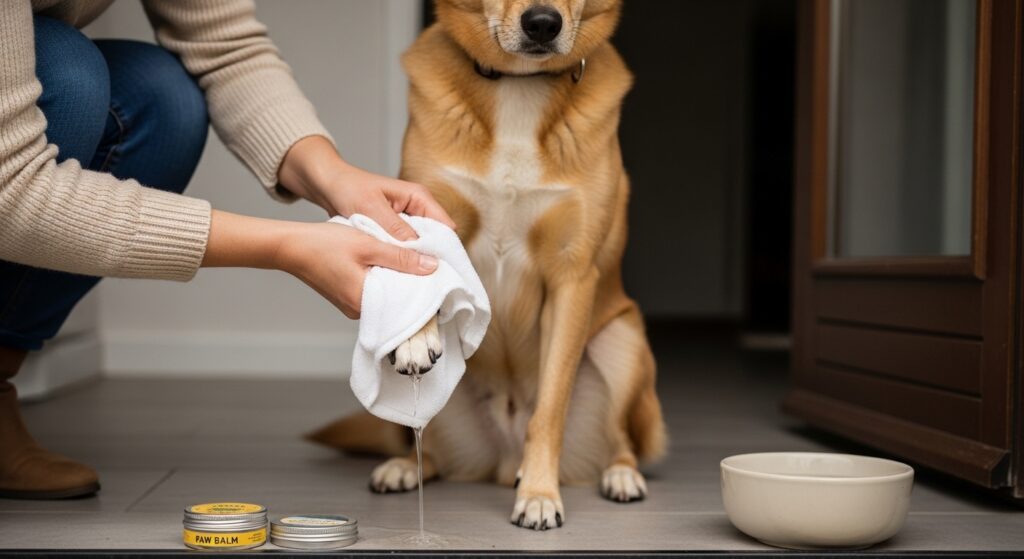
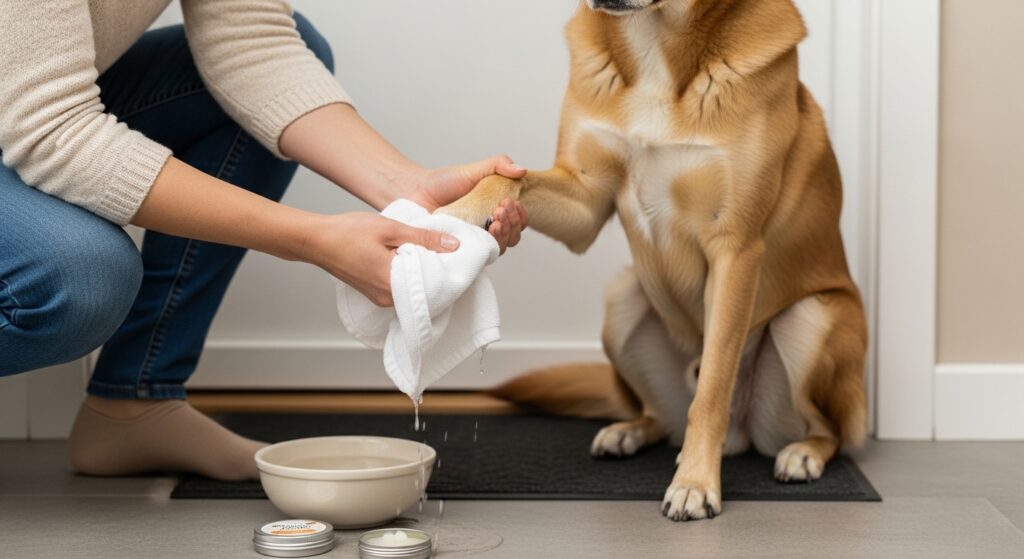
- Using paw wipes or a foot bath at the door to remove allergens after every outdoor walk
Preventing Paw Licking in Dogs
Diet and Nutrition Tips
A high-quality, balanced diet supports skin barrier function and immune health — both of which reduce susceptibility to allergic and infectious skin conditions. Look for foods rich in omega-3 fatty acids (EPA and DHA from fish oil), which have clinically demonstrated anti-inflammatory effects on the skin. Zinc and vitamin E are also important for skin integrity.
If a food allergy is confirmed, strict adherence to a hypoallergenic diet long-term is essential to prevent relapse. Avoid giving table scraps or treats containing the identified allergen(s).
Grooming and Paw Care Routine
Establishing a consistent paw care routine dramatically reduces the risk of infection and irritation:
- After every outdoor walk, wipe paws with a damp cloth or dog-safe paw wipes to remove allergens, salt, and chemicals
- Inspect paws weekly for early signs of redness, swelling, foreign bodies, or abnormal growth
- Keep the fur between the toes trimmed short to reduce moisture retention (a primary contributor to yeast overgrowth)
- Trim nails regularly — overgrown nails alter weight distribution and can lead to pad injuries
- Apply paw balm during winter months or dry weather conditions to prevent cracking
When to See a Vet
Seek veterinary advice promptly if:
- Paw licking persists for more than a week without improvement
- You observe redness, swelling, discharge, or sores on the paw
- Your dog is limping or reluctant to bear weight on the paw
- The paw has a foul or unusual odor
- Your dog appears distressed or in pain
- You suspect your dog has ingested a toxic substance from licking
Do not wait for symptoms to resolve on their own — early intervention typically leads to faster recovery and lower treatment costs than allowing the condition to progress.
Frequently Asked Questions About Dog Paw Licking
Why does my dog lick their paws at night? Nighttime paw licking is common when allergen exposure has built up throughout the day, when anxiety is heightened during quiet hours, or when a minor infection causes discomfort that becomes more noticeable without daytime distractions. A veterinary evaluation is warranted if nighttime licking is chronic.
Why does my dog only lick one paw? Single-paw licking strongly suggests a localized cause — inspect the paw carefully for a foreign body, cut, insect sting, broken nail, or other injury. If nothing visible is found, a vet examination is warranted.
Is paw licking contagious to other dogs? The licking behavior itself is not contagious, but some underlying causes — such as sarcoptic mange and fleas — are highly contagious between dogs (and sarcoptic mange can also transiently affect humans). Keep affected dogs separated and consult a vet promptly.
Can I put socks on my dog to stop paw licking? Dog socks or boots can provide a physical barrier and reduce licking, but they are a management tool rather than a cure. They should not replace treating the underlying cause. Ensure socks are breathable and not worn for extended periods to avoid moisture build-up.
My puppy licks their paws — is this normal? Puppies often engage in exploratory licking as they discover their bodies. Occasional licking in a healthy puppy with no visible paw changes is generally normal. However, early-onset allergies are possible, and if licking seems excessive, consulting a vet is advisable.