


Summary
If you’ve ever wondered why your tiny terrier seems to have an opinion about everything while your neighbor’s Great Dane barely makes a sound, you’re not alone. It’s a well-documented behavioral pattern that small dogs bark more than large dogs, and the reasons behind this go far beyond simple stereotypes about “yappy” small breeds. From genetics and instinct to anxiety, territorial behavior, and even how owners respond to barking, multiple factors combine to create this noisy phenomenon. This article breaks down the science, psychology, and practical solutions behind excessive barking in small dogs, helping owners understand their pets better and find effective ways to manage the behavior.
Table of Contents
- Introduction
- The Science Behind Why Small Dogs Bark More Than Large Dogs
- Genetic and Evolutionary Reasons Small Dogs Are More Vocal
- Psychological Factors: Anxiety, Fear, and Insecurity
- Why Small Dogs Bark More Than Large Dogs: The Role of Owner Behavior
- Breed-Specific Examples of Vocal Small Dogs
- How Territorial Instincts Influence Barking
- The Connection Between Size and Confidence Levels
- Common Triggers That Cause Excessive Barking
- Practical Solutions to Reduce Excessive Barking
- When to Seek Professional Help
- Conclusion
- FAQs
Introduction
Anyone who has spent time around both Chihuahuas and Labrador Retrievers has likely noticed a stark contrast in vocal behavior. The smaller dog often seems to bark at everything—the doorbell, a passing car, a leaf blowing across the yard—while the larger dog might glance up, sniff the air, and go back to napping. This isn’t just anecdotal. Veterinarians, animal behaviorists, and canine researchers have studied this pattern extensively, and the consensus is clear: small dogs bark more than large dogs due to a combination of biological, psychological, and environmental factors.
Understanding why this happens isn’t just an interesting trivia fact—it’s essential for dog owners who want to manage excessive barking, improve their pet’s quality of life, and maintain peace with neighbors. In this article, we’ll explore the deep-rooted reasons behind this behavior, backed by canine behavior science, and offer actionable solutions for owners struggling with a vocal companion.
The Science Behind Why Small Dogs Bark More Than Large Dogs
At its core, barking is a form of canine communication. Dogs bark to alert their owners, express excitement, signal distress, or ward off perceived threats. However, the frequency, pitch, and intensity of barking can vary significantly based on a dog’s size, breed, temperament, and upbringing.
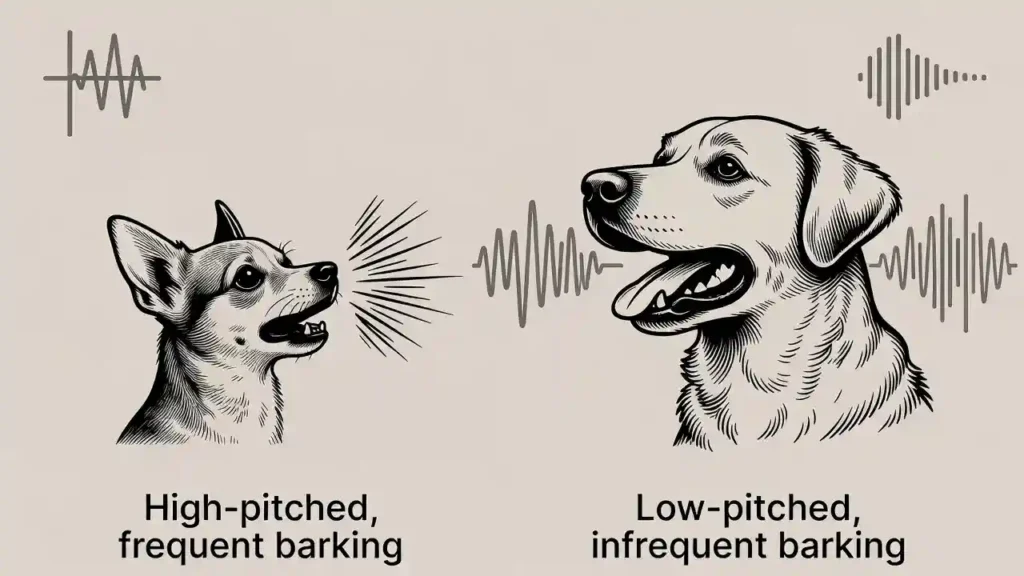
Research into canine vocalization patterns has shown that smaller breeds tend to have higher-pitched barks and bark more frequently than their larger counterparts. This isn’t simply because small dogs are “more annoying” or have worse temperaments—it’s rooted in their physiology, evolutionary history, and the way humans have bred them over centuries.
Genetic and Evolutionary Reasons Small Dogs Are More Vocal
Selective Breeding and Purpose
Many small dog breeds were historically bred for specific purposes that required heightened alertness and vocal communication. Breeds like the Chihuahua, Yorkshire Terrier, and Dachshund were often kept as watchdogs in small living spaces, where their job was to alert owners to intruders, vermin, or unfamiliar visitors. Unlike large guard dogs bred to physically confront threats, small dogs were bred to “sound the alarm” through barking.
Heightened Sensory Perception
Small dogs often have more acute hearing relative to their body size, making them more sensitive to environmental stimuli. A sound that a large dog might not even register could trigger an immediate barking response in a smaller breed. This heightened sensitivity is an evolutionary trait that has been reinforced through generations of breeding.
Energy Levels and Metabolism
Small dogs typically have faster metabolisms and higher energy levels relative to their size. This excess energy often manifests as increased vocalization, especially when the dog isn’t given adequate physical or mental stimulation.
Psychological Factors: Anxiety, Fear, and Insecurity
The “Small Dog Syndrome” Phenomenon
One of the most significant psychological factors contributing to why small dogs bark more than large dogs is what behaviorists often refer to as “small dog syndrome.” This term describes a cluster of behaviors—including excessive barking, possessiveness, and reactivity—that stem from a dog feeling the need to compensate for its smaller stature.
Because small dogs are physically vulnerable compared to larger animals (and even humans), they may develop heightened defensive behaviors, including frequent barking, as a way to assert themselves or ward off perceived threats before those threats get too close.
Separation Anxiety
Small breeds are statistically more prone to separation anxiety than larger breeds. According to research compiled by the American Kennel Club, certain small breeds like Chihuahuas, Toy Poodles, and Jack Russell Terriers are particularly susceptible to anxiety-related barking when left alone. This anxiety-driven barking can become a chronic issue if not addressed early.
If you’re dealing with a dog that barks excessively due to anxiety, it’s worth exploring How CBD Oil Affects Dog Barking Behavior, as natural calming supplements have shown promise in reducing anxiety-driven vocalization in some dogs.

Why Small Dogs Bark More Than Large Dogs: The Role of Owner Behavior
Reinforcement Through Attention
One of the most overlooked reasons small dogs bark more than large dogs is simply human behavior. Owners often respond differently to a small dog’s bark compared to a large dog’s bark. A tiny dog barking might be perceived as “cute” or “funny,” prompting laughter, picking up the dog, or giving treats—all of which inadvertently reinforce the barking behavior.
In contrast, a large dog’s bark is often taken more seriously due to its intimidating volume, leading owners to address it more firmly and consistently from puppyhood.
Inconsistent Training
Because small dogs are often perceived as less of a “behavioral problem” due to their size, many owners skip formal obedience training altogether. Without consistent boundaries and commands like “quiet” or “enough,” small dogs never learn that excessive barking is undesirable.
Lack of Physical Correction Concerns
Owners of large dogs are often more proactive about training because an untrained large dog poses a more obvious physical risk. Small dogs, being less physically imposing, often “get away” with behaviors that would be addressed immediately in a larger breed.
Breed-Specific Examples of Vocal Small Dogs
While barking tendencies vary by individual dog, certain small breeds are particularly known for their vocal nature:
- Chihuahua: Known for being highly alert and reactive to unfamiliar sounds and people, often barking at the slightest disturbance.
- Dachshund: Originally bred for hunting badgers underground, Dachshunds have a strong, persistent bark used to signal location.
- Yorkshire Terrier: Despite their small size, Yorkies were bred as ratters and retain a strong instinct to bark at movement.
- Pomeranian: Highly alert and protective, Pomeranians often bark to assert dominance or alert owners to perceived threats.
- Miniature Schnauzer: Originally bred as farm dogs and watchdogs, this breed retains strong territorial barking instincts.
In contrast, breeds like Great Danes, Newfoundlands, and Saint Bernards are known for being relatively quiet, often only barking when truly necessary.
How Territorial Instincts Influence Barking
Protecting Their Space
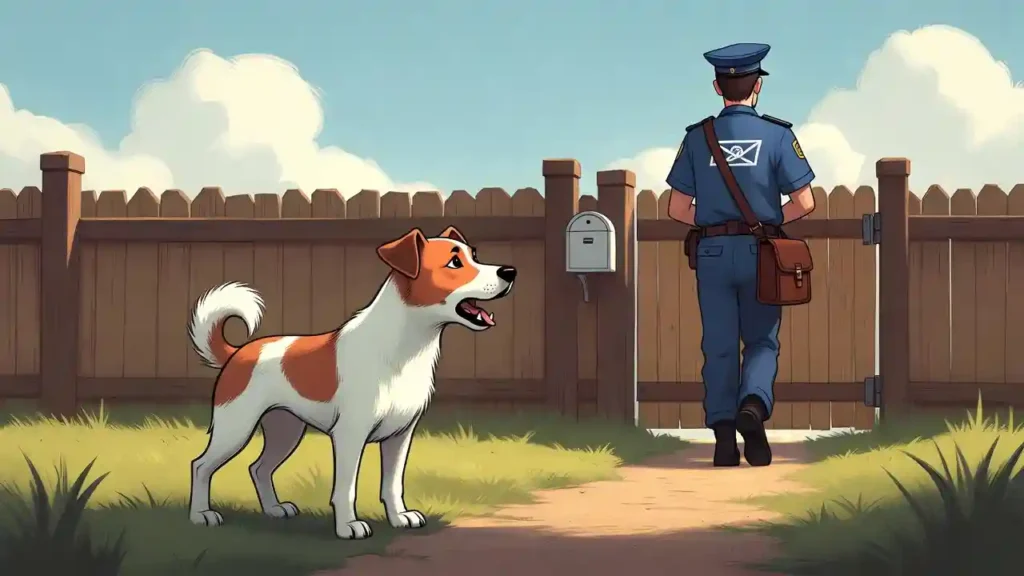
Small dogs often compensate for their lack of physical intimidation by being hyper-vigilant about their territory. A small dog may bark excessively at anyone approaching their home, yard, or even their owner’s lap, as a way of establishing control over their environment.
The “First Line of Defense” Mentality
Because small dogs cannot physically defend themselves as effectively as larger breeds, barking becomes their primary defense mechanism. This is deeply rooted in survival instinct—if a small dog can scare off a threat through noise alone, it avoids the need for physical confrontation.
The Connection Between Size and Confidence Levels
Interestingly, studies on canine temperament suggest that smaller dogs often score higher on measures of “reactivity” and lower on measures of “confidence” compared to larger breeds. This combination means small dogs are more likely to perceive situations as threatening and respond with vocalization rather than calm assessment.
Large dogs, having less to “prove” due to their physical presence, often display more relaxed body language and require less vocal assertion to feel secure in their environment.
Common Triggers That Cause Excessive Barking
Understanding the specific triggers behind a small dog’s barking can help owners address the root cause rather than just the symptom. Common triggers include:
- Doorbells and knocking sounds – Often the most common trigger due to territorial instincts.
- Other animals – Including other dogs, cats, squirrels, or birds visible through windows.
- Separation from owners – Leading to anxiety-based barking.
- Boredom and lack of stimulation – Excess energy with nowhere to go often results in vocalization.
- Unfamiliar people – especially if the dog hasn’t been properly socialized.
- Loud noises – Thunderstorms, fireworks, or construction sounds can trigger fear-based barking.
If you’re concerned about how long is too much when it comes to your dog’s barking sessions, our guide on Too Long for a Dog to Bark Continuously provides useful benchmarks and warning signs to watch for.
Practical Solutions to Reduce Excessive Barking
1. Consistent Training from an Early Age
Regardless of size, all dogs benefit from consistent obedience training. Teaching commands like “quiet” and rewarding calm behavior can significantly reduce excessive barking over time.
2. Adequate Physical and Mental Exercise
Many small breeds have surprisingly high energy levels. Daily walks, interactive toys, and puzzle feeders can help burn off excess energy that might otherwise manifest as barking.
3. Desensitization Techniques
Gradually exposing your dog to common triggers (like doorbells) in a controlled manner, paired with positive reinforcement, can help reduce reactive barking over time.
4. Avoid Reinforcing the Behavior
Resist the urge to pick up, comfort, or give attention to your dog immediately after barking, as this can inadvertently reward the behavior.
5. Create a Calm Environment
Reducing visual stimuli (such as closing blinds during high-traffic times) and providing a designated “safe space” can help anxious dogs feel more secure.

When to Seek Professional Help
If excessive barking persists despite consistent training and environmental management, it may be time to consult a professional. A certified animal behaviorist or veterinarian can help rule out underlying medical issues (such as pain or cognitive decline in senior dogs) and develop a tailored behavior modification plan.
According to the American Veterinary Society of Animal Behavior, persistent excessive barking can sometimes be linked to underlying anxiety disorders that benefit from a combination of behavioral therapy and, in some cases, veterinary-guided interventions.
Conclusion
The tendency for small dogs to bark more than large dogs is a multifaceted behavior rooted in genetics, evolutionary history, psychology, and learned habits reinforced by owners. From the protective instincts bred into watchdog breeds to the anxiety and insecurity that can accompany smaller stature, understanding these underlying causes is the first step toward effective management.
By implementing consistent training, providing adequate stimulation, and addressing anxiety through appropriate interventions, owners can significantly reduce excessive barking and improve their relationship with their vocal companions. Remember, barking is a natural form of communication—the goal isn’t to eliminate it entirely, but to bring it to a manageable, appropriate level.
FAQs
Q1: Is it true that small dogs bark more than large dogs, or is this just a stereotype?
A: It’s largely true. Behavioral studies and veterinary observations consistently show that small breeds tend to bark more frequently due to genetic predispositions, heightened sensory awareness, and psychological factors like anxiety and insecurity.
Q2: Which small dog breeds bark the most?
A: Breeds like Chihuahuas, Dachshunds, Yorkshire Terriers, Pomeranians, and Miniature Schnauzers are commonly cited as some of the most vocal small breeds due to their watchdog and ratting heritage.
Q3: Can training reduce excessive barking in small dogs?
A: Yes. Consistent obedience training, desensitization techniques, and positive reinforcement can significantly reduce excessive barking, regardless of breed size.
Q4: Is excessive barking in small dogs a sign of anxiety?
A: It can be. Separation anxiety and general insecurity are common in small breeds and often manifest as persistent barking, especially when the owner is away or unfamiliar stimuli are present.
Q5: Do large dogs ever bark as much as small dogs?
A: While some large breeds (like certain herding or guard dog breeds) can be vocal, on average, large dogs tend to bark less frequently and at a lower pitch compared to small breeds, partly due to differences in temperament and breeding history.