


Summary
If your dog’s nonstop barking is driving you (and your neighbors) up the wall, you’ve probably come across anti-bark collars as a potential solution. But before clipping one onto your pup, it’s worth understanding how anti-bark collars work, what technology powers them, and whether they’re genuinely safe for your dog’s physical and emotional well-being. This article breaks down the science behind bark-detection sensors, compares citronella, ultrasonic, vibration, and static correction collars, and examines the real risks and benefits backed by veterinary behaviorists. We’ll also explore gentler alternatives and help you decide whether an anti-bark collar is the right choice for your furry companion.
Table of Contents
- What Is an Anti-Bark Collar?
- How Anti-Bark Collars Work: The Technology Behind Bark Detection
- How Anti-Bark Collars Work: Types of Corrections Explained
- Are Anti-Bark Collars Safe for Dogs?
- Pros and Cons of Using Anti-Bark Collars
- Understanding Why Dogs Bark in the First Place
- Safer Alternatives to Anti-Bark Collars
- How to Choose the Right Anti-Bark Collar (If You Decide to Use One)
- Conclusion
- FAQs
How Anti-Bark Collars Work and Are They Safe?
Excessive barking is one of the most common behavioral complaints dog owners bring to trainers and veterinarians. Whether it’s a Beagle howling at the mail carrier, a Husky vocalizing out of boredom, or a small dog yapping at every passing shadow, chronic barking can strain relationships with neighbors and create stress at home. Anti-bark collars, also called no-bark collars or bark control devices, have become a popular quick-fix marketed to frustrated pet parents. But how do these devices actually function, and do they come with hidden costs to your dog’s welfare?
What Is an Anti-Bark Collar?
An anti-bark collar is a wearable device, typically worn around a dog’s neck, designed to detect barking and deliver an automatic deterrent in response. Unlike remote trainers that owners control manually, anti-bark collars operate independently — they “listen” or “feel” for barking and respond without human input.
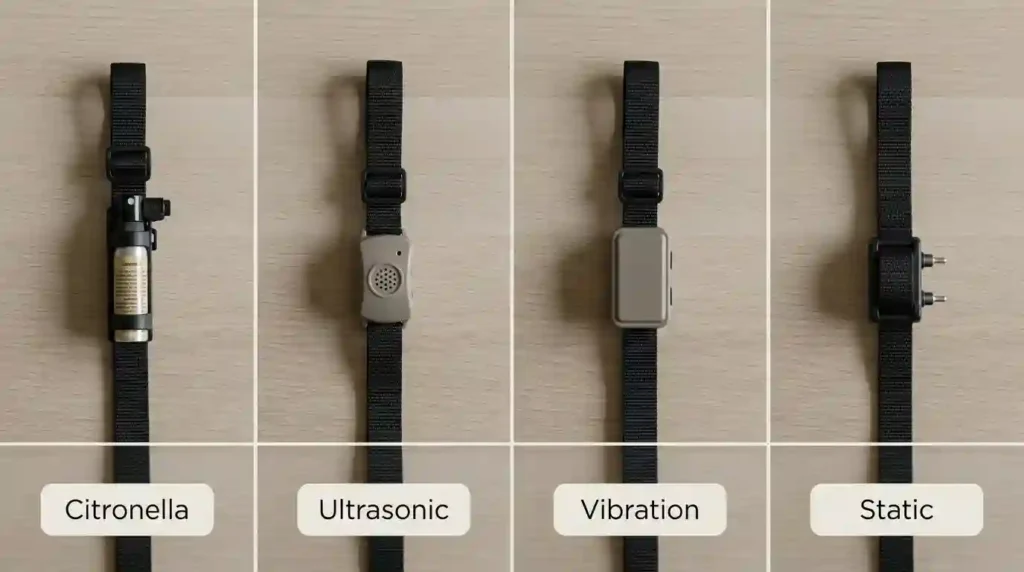
These collars generally fall into four broad categories based on the type of correction they deliver:
- Citronella or spray collars
- Ultrasonic collars
- Vibration collars
- Static (electric shock) collars
Each type relies on a sensor system to detect barking, followed by a stimulus intended to interrupt the behavior. The underlying goal is the same across all models: associate barking with an unpleasant or startling consequence so the dog learns to bark less.
How Anti-Bark Collars Work: The Technology Behind Bark Detection
To understand how anti-bark collars work, it helps to start with the detection mechanism — the “brain” of the device that decides when a correction should be triggered.
Sound-Activated Sensors
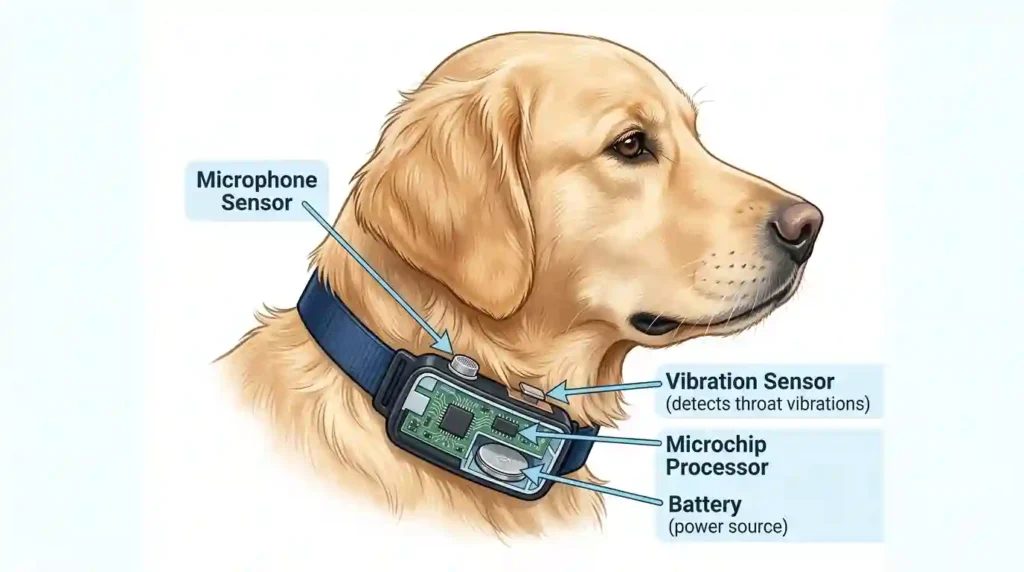
Many entry-level anti-bark collars use a built-in microphone that listens for the acoustic signature of a bark. When the microphone picks up a sound matching the frequency and volume pattern of a dog’s bark, it sends a signal to activate the correction mechanism. The downside? Sound-based sensors can sometimes misfire, triggering on other dogs barking nearby, loud noises, or even a sneeze.
Vibration-Activated Sensors
To improve accuracy, many modern collars use vibration sensors that detect the physical vibrations traveling through a dog’s vocal cords and throat when it barks. Because these vibrations are unique to the dog wearing the collar, this method reduces false triggers caused by other dogs or environmental noise.
Dual-Sensor Systems
The most advanced anti-bark collars combine both sound and vibration detection. The collar only activates when it registers both the acoustic bark and the corresponding throat vibration simultaneously. This dual-sensor approach is widely considered the most reliable, minimizing false corrections and ensuring the device responds only to the wearer’s own barking.
How Anti-Bark Collars Work: Types of Corrections Explained
Once a collar detects a bark, it must respond with some form of correction. The intensity and nature of this correction is where anti-bark collars differ most dramatically — and where most safety concerns arise.
Citronella and Spray Collars
These collars release a short burst of citronella-scented (or unscented) spray near the dog’s nose when barking is detected. Dogs generally find the sudden spray and scent unpleasant, which discourages repeated barking. Spray collars are often considered one of the gentler options, though some dogs may become desensitized to the spray over time, requiring refills and ongoing monitoring.
Ultrasonic Collars
Ultrasonic anti-bark collars emit a high-frequency sound, audible to dogs but not humans, immediately after detecting a bark. The sudden noise startles the dog and interrupts the barking behavior. Because the sound is outside human hearing range, these collars are discreet, but some dogs with sensitive hearing may find the sound distressing if used frequently.
Vibration Collars
Vibration collars deliver a gentle buzzing sensation, similar to a smartphone notification, against the dog’s neck when barking occurs. This mild physical interruption is often enough to redirect a dog’s attention. Vibration collars are popular among owners seeking a non-startling, low-intensity correction method.
Static (Shock) Collars
Static correction collars, sometimes called electronic or e-collars, deliver a brief electrical pulse through two metal contact points touching the dog’s skin. The intensity is usually adjustable, ranging from a mild tingle to a more noticeable jolt. These are the most controversial type of anti-bark collar, as they rely on pain or discomfort as the primary deterrent — a method that has drawn significant criticism from veterinary behavior organizations.
Are Anti-Bark Collars Safe for Dogs?
Safety is the central question for most pet owners considering an anti-bark collar, and the honest answer is: it depends on the type of collar, how it’s used, and the individual dog.
Potential Physical Risks
Static correction collars carry the highest risk of physical harm if used incorrectly. Prolonged contact with the metal probes, especially if a collar is left on too tightly or for too long, can cause skin irritation, pressure sores, or even burns in rare cases. Citronella and vibration collars carry far lower physical risk, though improperly fitted collars of any type can cause chafing or discomfort around the neck.
Potential Behavioral and Psychological Risks
Beyond physical safety, behaviorists raise concerns about the psychological impact of aversive corrections. A dog that barks due to anxiety, fear, or separation distress may not simply “stop barking” when corrected — instead, it may suppress the outward behavior while the underlying emotional distress remains, or it may develop new anxieties associated with the correction itself. Some dogs become hypervigilant, withdrawn, or even more anxious after repeated exposure to static corrections, particularly if the correction feels unpredictable to them.
According to the American Veterinary Society of Animal Behavior, current research consistently shows that reward-based dog training offers the most advantages and least harm to a dog’s welfare, and there is no evidence that aversive practices are necessary for training or behavior modification. This is an important consideration for any owner weighing aversive bark-control tools against positive reinforcement-based approaches. You can review the organization’s full guidance on the AVSAB position statements page. American Veterinary Medical Association
Factors That Affect Safety
Several variables influence how safe an anti-bark collar is in practice:
- Collar fit — too tight causes irritation; too loose reduces sensor accuracy
- Correction intensity — lower settings are generally safer, especially for small or sensitive dogs
- Duration of use — collars left on for extended periods increase risk of skin issues
- Root cause of barking — anxiety-driven barking responds poorly to punishment-based tools
- Dog’s temperament — nervous or reactive dogs may experience heightened stress

Pros and Cons of Using Anti-Bark Collars
Benefits
- Can reduce nuisance barking quickly, which may help with neighbor complaints or apartment living
- Available in a range of intensities to suit different dog sizes and sensitivities
- Some models (vibration, citronella) offer relatively gentle deterrent options
- Useful as a short-term management tool alongside professional training
Drawbacks
- Does not address the underlying cause of barking
- Risk of physical discomfort, especially with static correction models
- Potential for increased anxiety or fear-based behaviors
- Sensor inaccuracies can lead to corrections for non-bark sounds
- Not a substitute for behavioral training or veterinary guidance
Understanding Why Dogs Bark in the First Place
Before reaching for an anti-bark collar, it’s worth stepping back to understand why a dog is barking excessively. Barking is a natural form of canine communication — dogs bark to alert owners, express excitement, signal discomfort, or cope with anxiety. Interestingly, breed and size can play a significant role in barking frequency and triggers. Smaller breeds, for instance, often bark more frequently than larger dogs due to differences in temperament, alertness levels, and even how they perceive their environment relative to their size. If you’re curious about how your dog’s size might be influencing their vocal habits, our Small Dogs Bark More Than Large Dogs Guide dives deeper into this topic and offers tailored insights for smaller breed owners.
Common categories of barking include:
- Alert or territorial barking — triggered by perceived intruders, noises, or movement near the home
- Attention-seeking barking — used to get a response from owners
- Anxiety-driven barking — often linked to separation anxiety or fear
- Boredom barking — common in under-stimulated or under-exercised dogs
- Play or excitement barking — typically short-lived and situational
Identifying which category your dog falls into is essential because an anti-bark collar that simply suppresses the sound won’t resolve anxiety, boredom, or territorial instincts driving the behavior underneath.
Safer Alternatives to Anti-Bark Collars
For owners hesitant about aversive tools, or for dogs whose barking stems from anxiety, several gentler approaches can be highly effective:
- Positive reinforcement training — rewarding quiet behavior and teaching a reliable “quiet” cue
- Increased mental and physical stimulation — puzzle toys, longer walks, and enrichment activities
- Desensitization and counter-conditioning — gradually reducing a dog’s reactivity to specific triggers
- Calming aids — some owners explore natural supplements to help ease anxiety-related barking. Our guide on how CBD Oil Affects Dog Barking Behavior explores this option in detail, including what current evidence suggests about its effectiveness
- Working with a certified dog trainer or veterinary behaviorist — especially important for anxiety-related or compulsive barking

How to Choose the Right Anti-Bark Collar (If You Decide to Use One)
If, after consulting with a veterinarian or trainer, you decide an anti-bark collar is appropriate as part of a broader behavior plan, consider the following:
Start with the Gentlest Option
Begin with citronella or vibration collars before considering static correction models, especially for puppies, small breeds, senior dogs, or anxious dogs.
Choose Adjustable Intensity Settings
Collars with multiple correction levels allow you to start low and only increase if necessary, minimizing unnecessary discomfort.
Prioritize Dual-Sensor Technology
Dual sound-and-vibration sensors reduce false triggers, ensuring corrections only occur in response to the dog’s own barking.
Check Fit and Wear Time Guidelines
Follow manufacturer guidance on how long a collar can be safely worn, and check your dog’s neck regularly for signs of irritation. Most manufacturers recommend removing the collar for several hours each day and avoiding continuous wear beyond 8-12 hours.
Monitor Your Dog’s Response
If your dog shows signs of increased anxiety, avoidance behaviors, withdrawal, or skin irritation after introducing the collar, discontinue use and consult a professional.
Conclusion
Anti-bark collars work by combining a detection sensor — sound, vibration, or both — with a correction mechanism such as citronella spray, ultrasonic sound, vibration, or static stimulation. While some models, particularly citronella and vibration collars, are generally considered lower-risk options, static correction collars carry more significant physical and psychological concerns and have drawn criticism from veterinary behavior experts. Ultimately, anti-bark collars may offer short-term management for nuisance barking, but they don’t address the root cause of the behavior. For long-term, sustainable results, combining any collar use with positive reinforcement training, environmental enrichment, and professional guidance gives your dog the best chance at a calmer, quieter, and happier life — without compromising their wellbeing.
FAQs
1. How long can a dog safely wear an anti-bark collar?
Most manufacturers recommend a maximum of 8-12 hours of continuous wear, with breaks throughout the day to prevent skin irritation and allow the neck area to rest.
2. Do anti-bark collars work on all dogs?
Not always. Dogs with anxiety-driven or compulsive barking often don’t respond well to correction-based collars, since the underlying emotional cause remains unaddressed.
3. Are vibration collars more humane than static collars?
Generally, yes. Vibration collars use a gentle physical sensation rather than an electrical pulse, making them a lower-intensity option for many owners and dogs.
4. Can anti-bark collars cause long-term behavioral issues?
In some cases, repeated aversive corrections can contribute to increased anxiety, fear responses, or suppressed behaviors that may resurface differently later on.
5. What’s a good alternative to using an anti-bark collar?
Positive reinforcement training, increased exercise and enrichment, and addressing the root cause of barking (such as anxiety or boredom) are widely recommended as safer, more sustainable solutions.