

Summary
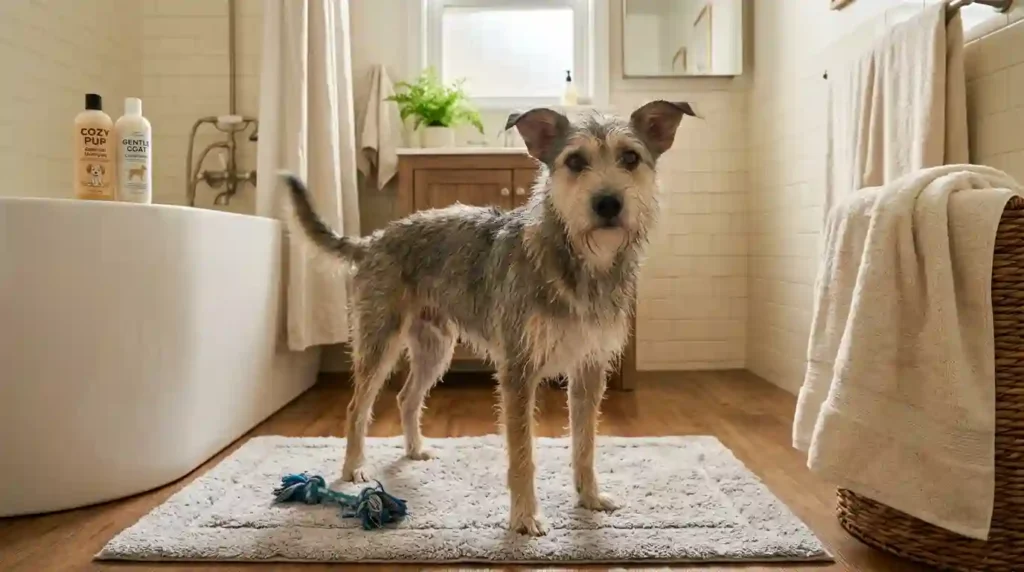
Dog barking after a bath can mean several things: relief, excitement, playful zoomies, frustration, fear, sensory overload, or stress. Many dogs bark after bathing because they feel a sudden burst of energy once the bath is over, while others vocalize because the experience was uncomfortable or overwhelming. The key is to read your dog’s whole body language, not just the bark. Tail position, ears, posture, pacing, shaking, panting, licking, and avoidance behavior all help you understand whether your dog is celebrating freedom or trying to communicate anxiety. This guide explains why dogs bark after baths, how to tell excitement from stress, and what you can do to make bath time calmer, safer, and more positive.
Table of Content
- Why Does Dog Barking After a Bath Happen?
- Dog Barking After a Bath: Excitement, Zoomies, or Relief?
- When Barking After Bath Time Means Stress
- How to Read Your Dog’s Body Language After a Bath
- Common Bath-Time Triggers That Cause Barking
- How to Calm a Dog Barking After a Bath
- How to Make Future Baths Less Stressful
- When to Ask a Vet or Dog Behavior Professional
- Conclusion
- FAQs
Why Does Dog Barking After a Bath Happen?
Bath time is a big sensory event for dogs. Water touches their skin, shampoo changes their natural scent, slippery surfaces challenge their balance, towel rubbing creates friction, and a blow dryer may add loud noise and air pressure. When the bath ends, your dog may bark because their nervous system is still highly activated.
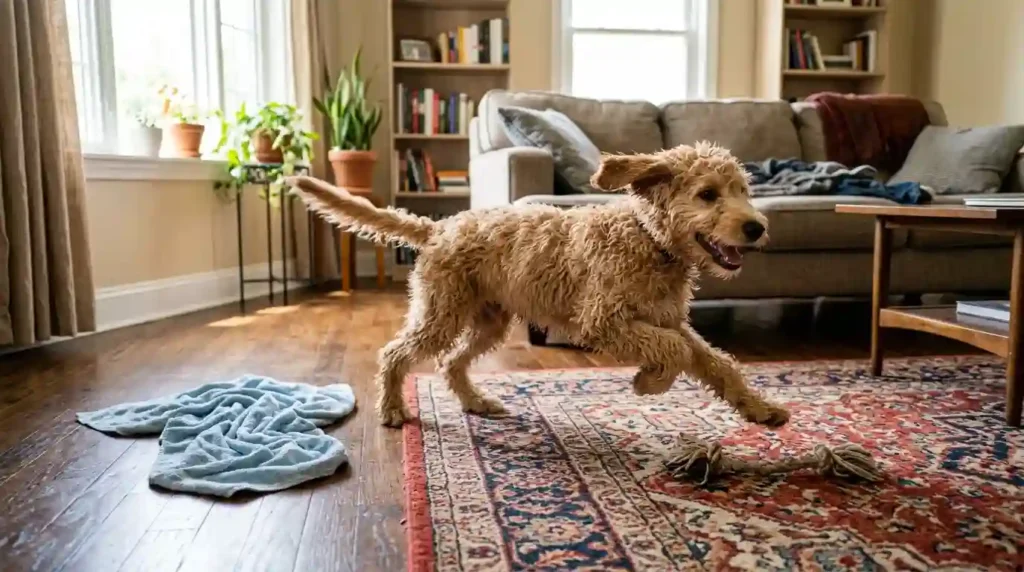
For some dogs, barking after a bath is a happy release. They feel free, clean, and excited. They may sprint through the house, roll on the carpet, shake their body, grab a toy, and bark in short playful bursts. This is often part of post-bath zoomies, also known as frantic random activity periods, or FRAPs.
For other dogs, barking is not happiness. It may be a stress response. They may be saying, “That was too much,” “I need space,” or “I did not feel safe.” According to VCA Animal Hospitals, vocalization such as barking or whining can intensify when dogs are afraid or tense, and stress signs may include pacing, shaking, yawning, licking, and drooling. VCA Animal Hospitals
The important question is not simply, “Why is my dog barking?” The better question is, “What else is my dog doing while barking?”
Dog Barking After a Bath: Excitement, Zoomies, or Relief?
Sometimes barking after a bath is simply your dog’s version of saying, “I’m free!” Many dogs dislike standing still, being handled, or getting wet, even if they tolerate the bath well. Once the process is finished, they release built-up energy by barking, running, rolling, and shaking.
This kind of barking is usually brief, bouncy, and paired with loose body language.
Signs the Barking Is Excitement
Your dog may be barking from excitement if you notice:
- A loose, wiggly body
- Play bows
- Fast tail wagging with relaxed hips
- Running in circles or zooming around
- Grabbing a toy
- Rolling on rugs, blankets, or the couch
- Short, sharp, playful barks
- Bright eyes and relaxed facial muscles
Excited barking is usually temporary. After a few minutes, the dog settles down, drinks water, rests, or returns to normal behavior.
Why Dogs Get Zoomies After Baths
Post-bath zoomies can happen for a few reasons. First, the dog may feel relief that the bath is over. Second, the skin and coat may feel unusual after shampooing, rinsing, and towel drying. Third, the dog may want to rub against furniture, carpet, or grass to restore a more familiar scent.
Dogs experience the world strongly through scent. A shampoo that smells pleasant to humans may feel overpowering to a dog. After a bath, rolling on the carpet or grass can be an attempt to replace the “clean” scent with something more normal.
Relief Barking vs. Happy Barking
Relief barking and happy barking can look similar. A dog may bark, run, and shake after a bath because the stressful part is over. This does not always mean the bath was enjoyable. It may mean your dog is decompressing.
Think of it this way: a child may laugh and run after leaving a scary ride, but that does not necessarily mean the ride felt safe the whole time. Dogs can show playful energy after stress, too.
When Barking After Bath Time Means Stress
Not every bark after a bath is playful. Some dogs bark because the bathing process causes fear, anxiety, frustration, or sensory overload. Water, slippery tubs, restraint, face washing, ear cleaning, nail trimming, towel rubbing, and blow dryers can all create stress.
Stress barking often sounds more intense, repetitive, or urgent. It may continue longer than playful barking and may be paired with avoidance, trembling, hiding, pacing, or panting.
Signs the Barking Is Stress
Your dog may be stressed if the barking comes with:
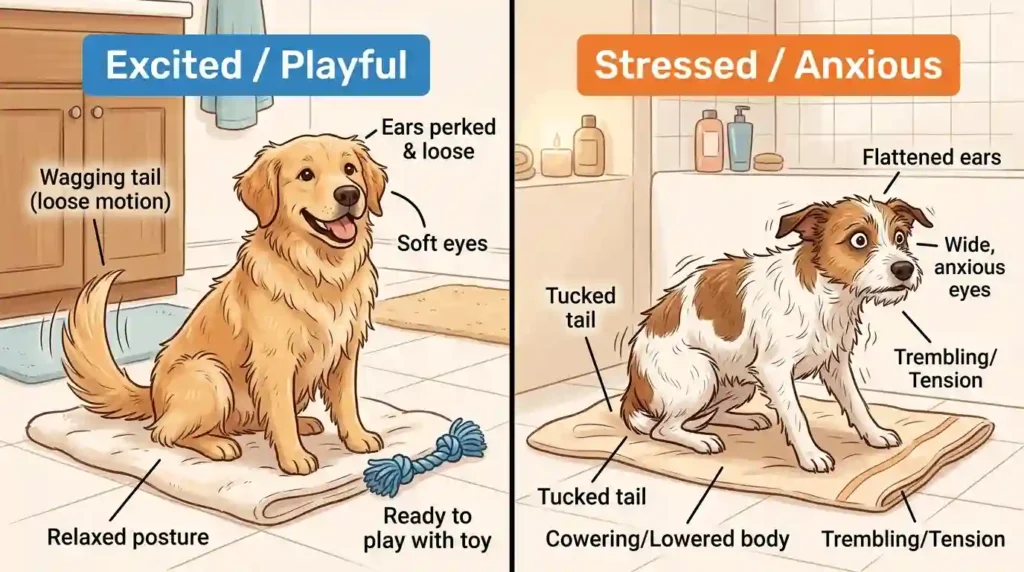
- Tucked tail
- Whale eye, where the whites of the eyes show
- Flattened ears
- Trembling or freezing
- Pacing around the room
- Heavy panting when not hot
- Lip licking or repeated yawning
- Drooling
- Trying to hide
- Avoiding your hands
- Refusing treats
- Growling or snapping when approached
- Barking at the towel, dryer, tub, or bathroom
The American Kennel Club explains that whining and barking can be signs that a dog is stressed, depending on the context, and should be interpreted alongside body language. American Kennel Club
Why Some Dogs Find Baths Stressful
Bathing can remove a dog’s sense of control. A dog may be lifted into a tub, held in place, sprayed with water, rubbed with shampoo, rinsed, dried, and prevented from leaving. Even gentle owners can accidentally make the process feel scary if the dog has no choice or escape option.
Some dogs are also more sensitive to sound and touch. A nervous puppy, rescue dog, senior dog, or dog with previous bad grooming experiences may find bath time especially overwhelming.
If your dog barks after every bath and seems distressed, treat the barking as communication rather than disobedience.
How to Read Your Dog’s Body Language After a Bath
The same bark can mean different things depending on body language. That is why you need to observe the full picture.
Relaxed and Playful Body Language
A relaxed dog may have a loose spine, soft eyes, an open mouth, a wagging tail, and bouncy movement. The barking may happen during play or zoomies. The dog may willingly approach you, bring a toy, or roll around happily.
This usually suggests excitement, relief, or playful energy.
Tense and Worried Body Language
A stressed dog may appear stiff, low, tucked, or frantic. The dog may bark while backing away, hiding, or staring at the bathroom. You may see excessive licking, yawning, pacing, trembling, or refusal to engage.
This suggests the dog is not simply being dramatic. The bath may have been too much.
Mixed Signals Are Common
Some dogs show both excitement and stress. A dog might bark, run, and roll, but also pant heavily and avoid the bathroom afterward. This means your dog may be releasing tension, not just celebrating.
Mixed body language is important because many owners misread stress as silliness. A dog can look “crazy” after a bath while still being overwhelmed.
Common Bath-Time Triggers That Cause Barking
Understanding the trigger helps you solve the barking. Dogs rarely bark “for no reason.” Something usually sets off the behavior.
1. Water Temperature
Water that is too cold or too hot can make a dog uncomfortable. Lukewarm water is usually best. Always test the water with your wrist before bathing your dog.
2. Slippery Surfaces
A bathtub or shower floor can feel unstable. If your dog slips once, they may remember it and become anxious during future baths. A non-slip mat can make a huge difference.
3. Loud Water Pressure
A strong shower spray can be scary, especially near the face, ears, or paws. Use gentle water pressure and avoid spraying directly into the ears, eyes, or nose.
4. Shampoo Smell
Dogs have a powerful sense of smell. Strong fragrances may feel overwhelming. Choose a mild dog-safe shampoo and avoid heavily perfumed products.
5. Face and Ear Handling
Many dogs tolerate body washing but panic when water gets near the head. Use a damp cloth around the face instead of spraying.
6. Towel Drying
Rough towel drying can overstimulate sensitive dogs. Some bark because the rubbing feels exciting; others bark because it feels invasive. Use gentle pressure and short breaks.
7. Blow Dryers
Blow dryers combine noise, air pressure, heat, and vibration. For sound-sensitive dogs, this can be one of the biggest triggers. If you use a dryer, choose a low-noise pet dryer on a cool or low-heat setting and introduce it gradually.
8. Being Restrained
Holding a dog tightly can increase panic. Safety matters, but too much restraint can make dogs feel trapped. Use calm handling, treats, and breaks whenever possible.
How to Calm a Dog Barking After a Bath
If your dog starts barking after bath time, your response matters. Yelling usually makes things worse because it adds more noise and emotional energy.
Stay Calm and Neutral
Speak softly. Move slowly. Avoid chasing your dog around the house. If your dog is zooming, make the environment safe by closing doors, blocking stairs, and removing slippery rugs.
Give Your Dog a Safe Drying Area
Create a post-bath routine. Use the same mat, towel, room, or crate area every time. A predictable routine helps dogs feel secure.
For example:
- Bath ends
- Gentle towel drying
- Treat on the mat
- Short sniff break
- Chew toy or lick mat
- Calm praise
This teaches your dog what happens next.
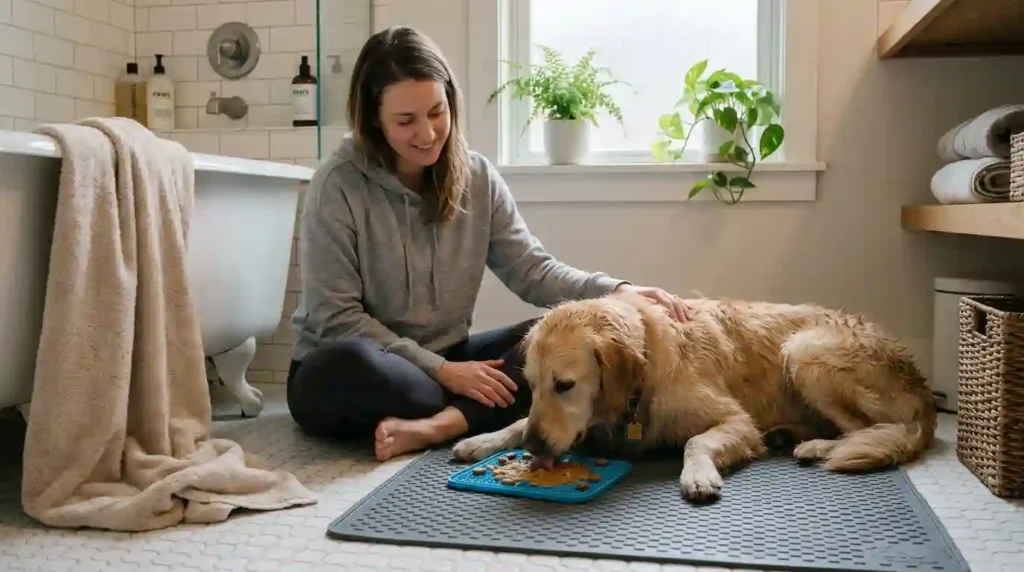
Use a Lick Mat or Food Puzzle
Licking can help many dogs settle. Spread dog-safe peanut butter, plain yogurt, or wet food on a lick mat. Always check ingredients and avoid xylitol, which is toxic to dogs.
Redirect With a Toy
If your dog’s barking is playful, redirect them to a toy. Tug, fetch, or a short training game can help move the energy into something appropriate.
Avoid Punishing the Barking
Punishment may suppress the sound but increase the emotional problem. If your dog is barking from stress, punishment teaches them that bath time and post-bath handling are even more unpleasant.
This is especially important for puppies. Young dogs are still learning how to respond to new experiences. If your puppy also barks at other dogs, social communication may be part of the bigger picture. You can read more about that behavior here: Puppy Bark at Older Dogs.
How to Make Future Baths Less Stressful
The best way to reduce barking after a bath is to make the bath itself less stressful. A calmer bath often leads to a calmer dog afterward.
Start With Desensitization
Desensitization means exposing your dog to the bath environment in tiny, manageable steps. Do not wait until your dog is dirty and then force a full bath. Practice when no bath is needed.
You can start by rewarding your dog for entering the bathroom. Then reward them for standing near the tub. Later, reward them for stepping onto a bath mat. Over time, you can add the sound of water, a damp cloth, and gentle rinsing.
Use Counterconditioning
Counterconditioning means changing your dog’s emotional response. Instead of “bathroom equals scary,” you want “bathroom equals treats, praise, and calm.”
Use high-value rewards such as small pieces of chicken, cheese, or soft training treats. Keep sessions short and positive.
Break the Bath Into Smaller Steps
A full bath may be too much for some dogs. Try dividing the process:
- Day 1: Practice entering the bathroom
- Day 2: Stand in the dry tub with treats
- Day 3: Turn the water on briefly without wetting the dog
- Day 4: Wet paws only
- Day 5: Wet legs and body
- Day 6: Add shampoo to a small area
- Day 7: Practice gentle towel drying
This slow approach is especially helpful for anxious dogs, puppies, rescue dogs, and dogs with past grooming trauma.
Protect the Ears and Face
Many bath problems begin when water gets near the face. Wash the body first. Use a damp cloth for the head and muzzle. Avoid spraying the ears.
Choose the Right Shampoo
Use a dog-specific shampoo, not human shampoo. Dogs have different skin needs, and harsh products can cause dryness, itching, or irritation. If your dog has allergies, dandruff, hot spots, or sensitive skin, ask your veterinarian about the best shampoo.
Use Calm Praise, Not High-Energy Hype
Some owners unintentionally increase post-bath barking by making the end of the bath too exciting. Big celebrations, loud praise, and fast towel games can trigger more barking.
Use calm praise instead: “Good dog,” soft petting, and gentle rewards.
Keep Baths Appropriately Spaced
Too many baths can dry the skin and make grooming unpleasant. Bath frequency depends on breed, coat type, lifestyle, allergies, and skin condition. A muddy Labrador may need more frequent rinsing than a low-odor indoor dog. A dog with a medical skin condition may need a veterinarian-recommended bathing schedule.
Is It Okay to Use Bark-Control Devices After Bathing?
Some owners consider bark-control tools when their dog gets loud after grooming. But before using any device, it is important to understand the cause of the barking. If your dog is barking because of fear, discomfort, or sensory overload, simply trying to stop the sound does not solve the emotional problem.
Devices that interrupt barking may also create confusion if the dog is already stressed. The goal should be to reduce the trigger, improve the bath routine, and teach calm post-bath behavior.
If you are researching sound-based tools, read this guide first: Ultrasonic Devices Affect Dog Barking.
Dog Barking After a Bath in Puppies vs. Adult Dogs
Age matters. A puppy barking after a bath may be learning how to process a new experience. Puppies often bark from excitement, frustration, or uncertainty. Early bath experiences can shape how they feel about grooming for life.
Puppies
Puppies need short, gentle, positive grooming sessions. Do not rush. Let them sniff towels, shampoo bottles, brushes, and the tub before starting. Reward calm behavior often.
Adult Dogs
Adult dogs may bark after baths because of learned habits. If they have always zoomed and barked afterward, the behavior may become part of the routine. You can change this with a new post-bath pattern: dry, treat, mat, chew, rest.
Senior Dogs
Senior dogs may bark because bathing is physically uncomfortable. Arthritis, joint pain, balance problems, vision loss, or skin sensitivity can make baths harder. Use non-slip mats, warm water, gentle handling, and shorter sessions.
If a senior dog suddenly starts barking after baths when they never did before, consider pain or medical discomfort.
When to Ask a Vet or Dog Behavior Professional
Most post-bath barking is normal, especially if it is brief and playful. However, some cases need professional help.
Contact a Veterinarian If:
- Barking after baths starts suddenly
- Your dog seems painful when touched
- Your dog has red, itchy, flaky, or irritated skin
- Your dog shakes their head or scratches ears after bathing
- Your dog pants heavily or seems disoriented
- Your dog snaps, growls, or panics during grooming
- Your dog has a history of skin allergies or ear infections
Medical issues can make baths uncomfortable. Skin infections, ear pain, allergies, arthritis, and injuries may all change how a dog reacts.
Contact a Certified Dog Behavior Professional If:
- Your dog is terrified of baths
- Your dog bites or attempts to bite during grooming
- Your dog refuses to enter the bathroom
- Barking continues long after the bath
- Your dog cannot calm down after grooming
- You feel unsafe bathing your dog
A certified trainer or veterinary behaviorist can create a gradual training plan using positive reinforcement, desensitization, and counterconditioning.
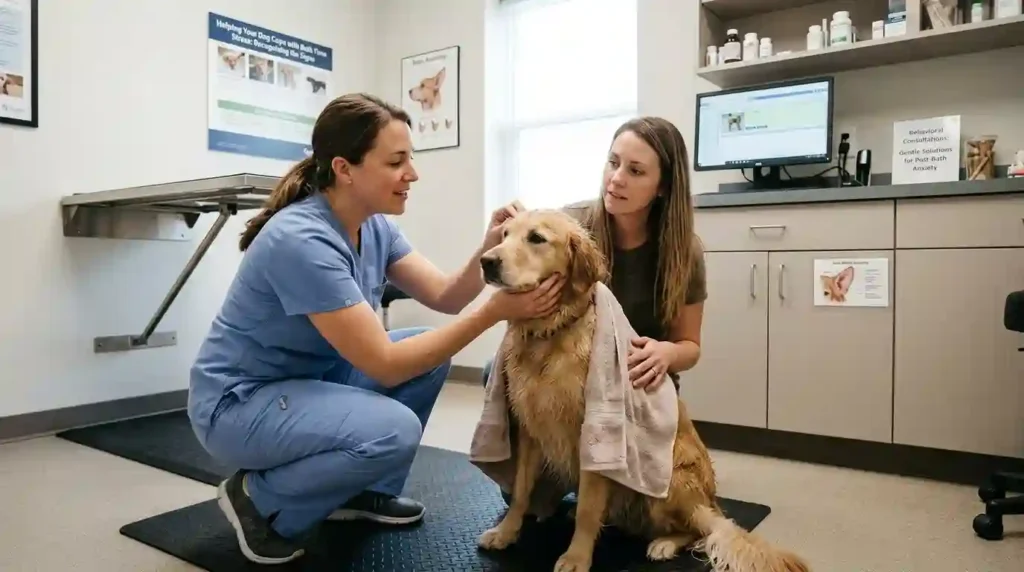
Practical Post-Bath Routine to Reduce Barking
Here is a simple routine you can try.
Step 1: Prepare Before the Bath
Place towels, treats, shampoo, a brush, and a non-slip mat nearby before bringing your dog in. Preparation prevents rushing and stress.
Step 2: Keep the Bath Short
Use lukewarm water. Avoid spraying the face. Praise calmly. Reward cooperation.
Step 3: Dry Gently
Use a soft towel pressure instead of rough rubbing. If your dog enjoys towel play, keep it controlled. If towel drying triggers barking, slow down.
Step 4: Move to a Calm Zone
Guide your dog to a mat, bed, or quiet room. Offer a chew or lick mat.
Step 5: Reward Quiet Moments
Do not wait for perfect silence. Reward small pauses in barking. This teaches your dog that calm behavior after a bath pays off.
Step 6: Let Your Dog Decompress
Some dogs need space. Allow sniffing, resting, or gentle movement. Avoid crowding them immediately after grooming.
Mistakes Owners Make With Post-Bath Barking
Even loving owners can accidentally make barking worse.
Mistake 1: Laughing and Encouraging Too Much
If your dog barks and zooms, and everyone laughs, chases, and cheers, the behavior may become more intense.
Mistake 2: Using the Dryer Too Soon
A loud dryer can turn mild discomfort into panic. Introduce it slowly, from a distance, with treats.
Mistake 3: Ignoring Stress Signals
If your dog is licking its lips, trembling, or trying to hide, it is not just being stubborn. Slow down and adjust the routine.
Mistake 4: Bathing Only When the Dog Is Filthy
If every bath is a big emergency after mud, odor, or mess, your dog never gets calm practice. Short training sessions between real baths help.
Mistake 5: Punishing Fear
Scolding a stressed dog may stop barking temporarily, but it can damage trust and make future grooming harder.
Conclusion
Dog barking after a bath can be excitement, stress, relief, frustration, or sensory overload. The bark alone does not tell the whole story. To understand your dog, watch their body language, energy level, recovery time, and willingness to engage with you after bathing.
If your dog barks with loose, playful movement and settles quickly, they are probably releasing excitement or enjoying post-bath zoomies. If the barking comes with trembling, tucked tail, pacing, hiding, panting, lip licking, or avoidance, your dog may be stressed.
The best solution is not to silence the bark but to improve the bath experience. Use lukewarm water, non-slip mats, gentle handling, mild shampoo, calm praise, treats, desensitization, counterconditioning, and a predictable post-bath routine. When barking is sudden, intense, aggressive, or linked to pain, skin problems, or panic, ask your veterinarian or a qualified dog behavior professional for help.
A calmer bath creates a calmer dog. When your dog feels safe, understood, and supported, post-bath barking often becomes less intense, easier to manage, and sometimes disappears completely.
FAQs
1. Why is my dog barking after a bath?
Your dog may bark after a bath because of excitement, relief, zoomies, stress, frustration, or sensory overload. Look at their body language to understand the reason.
2. Is dog barking after a bath normal?
Yes, it can be normal. Many dogs bark, run, shake, or roll after a bath. However, if the barking is frantic, prolonged, or paired with fear signals, your dog may be stressed.
3. How do I know if my dog is happy or stressed after a bath?
A happy dog usually has loose body movement, playful energy, soft eyes, and settles quickly. A stressed dog may tremble, hide, tuck its tail, pant, pace, lick its lips, or avoid contact.
4. Why does my dog get zoomies after a bath?
Dogs may get zoomies after a bath because they feel relief, want to dry off, dislike the shampoo scent, or need to release built-up energy.
5. Should I stop my dog from running after a bath?
You do not need to stop normal zoomies, but you should keep your dog safe. Close doors, block stairs, remove slippery hazards, and guide your dog to a calm area.
6. Can bath time make a dog anxious?
Yes. Water, slippery tubs, restraint, shampoo smell, face washing, towel drying, and blow dryers can make some dogs anxious.
7. How can I calm my dog after a bath?
Use a predictable routine: gentle towel drying, calm praise, a non-slip mat, treats, a lick mat, a chew toy, and quiet decompression time.
8. Should I use a blow dryer on my dog?
Only if your dog tolerates it, use low noise, low heat, and gradual introduction. If your dog barks, trembles, or panics, towel drying may be better.
9. Why does my dog bark at the towel after a bath?
The towel may feel exciting, irritating, or threatening depending on your dog’s experience. Some dogs see towel drying as play, while others dislike the rubbing sensation.
10. When should I call a vet about post-bath barking?
Call a vet if the barking starts suddenly, your dog seems painful, has skin irritation, scratches its ears, shakes its head, panics, or shows aggressive behavior during grooming.