

Summary
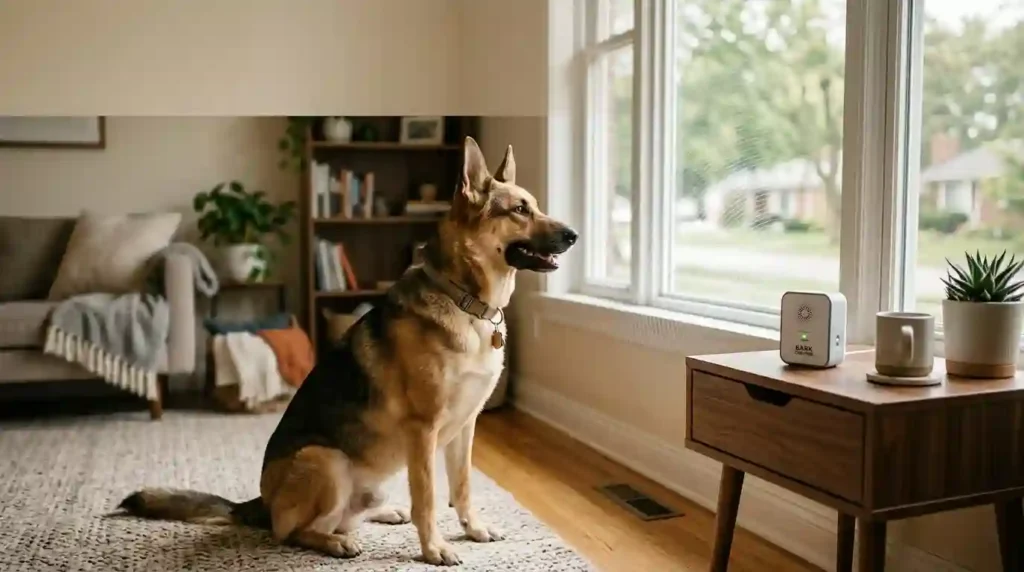
Understanding how ultrasonic devices affect dog barking helps dog owners decide whether these bark-control tools are useful, humane, and appropriate for their dog’s behavior. Ultrasonic devices work by emitting a high-frequency sound that most humans cannot hear but many dogs can detect. In some cases, the sound interrupts barking temporarily. However, the results depend on the dog, the reason behind the barking, the device quality, the environment, and whether the owner also uses proper training. This guide explains how ultrasonic anti-barking devices work, when they may help, when they can make barking worse, and what safer behavior-based solutions dog owners should consider.
Table of Content
- How Ultrasonic Devices Affect Dog Barking in Everyday Life
- Why Dogs Bark Before Understanding Ultrasonic Bark Control
- How Ultrasonic Bark Deterrents Work
- How Ultrasonic Devices Affect Dog Barking Differently by Dog
- Benefits of Ultrasonic Dog Barking Devices
- Possible Risks and Limitations
- Best Ways to Use Ultrasonic Devices Safely
- Training Alternatives That Work Better Long Term
- When to Contact a Professional
- Conclusion
- FAQs
How Ultrasonic Devices Affect Dog Barking
Dog barking is one of the most common behavior concerns for pet owners. A dog may bark at strangers, children, other dogs, passing cars, delivery drivers, thunderstorms, doorbells, wildlife, or even small changes in the environment. Because barking can become stressful for families and neighbors, many owners look for quick solutions. One popular option is an ultrasonic bark-control device.
Ultrasonic devices are marketed as humane, no-shock, and easy-to-use tools that reduce excessive barking by releasing a high-pitched sound. The idea sounds simple: the dog barks, the device emits an unpleasant sound, the barking stops, and the dog eventually learns to stay quiet. But dog behavior is rarely that simple.
Barking is communication. It can signal fear, excitement, boredom, frustration, pain, separation anxiety, territorial behavior, social alerting, or learned attention-seeking. Because different types of barking have different emotional causes, ultrasonic devices may interrupt one dog but confuse or stress another.
This article explains what ultrasonic bark deterrents do, how they influence canine hearing and behavior, when they may help, and why they should never replace proper training, enrichment, and behavior management.
How Ultrasonic Devices Affect Dog Barking in Everyday Life
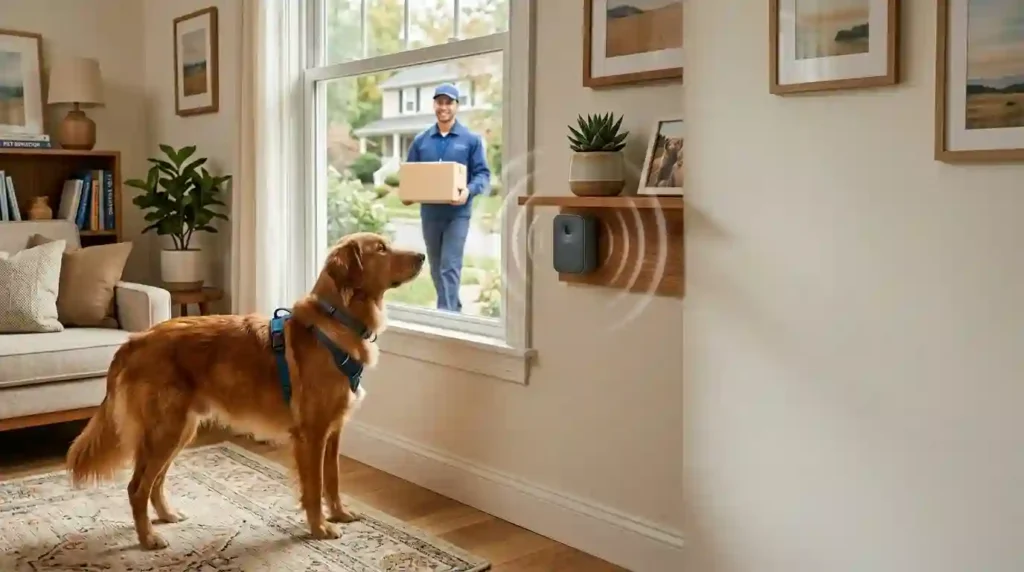
Ultrasonic devices affect barking by using sound as an interruption or correction. Most devices are designed to detect barking through a microphone. When the device hears a bark, it releases a high-frequency tone. The sound is usually above the range of normal human hearing, but many dogs can hear it clearly.
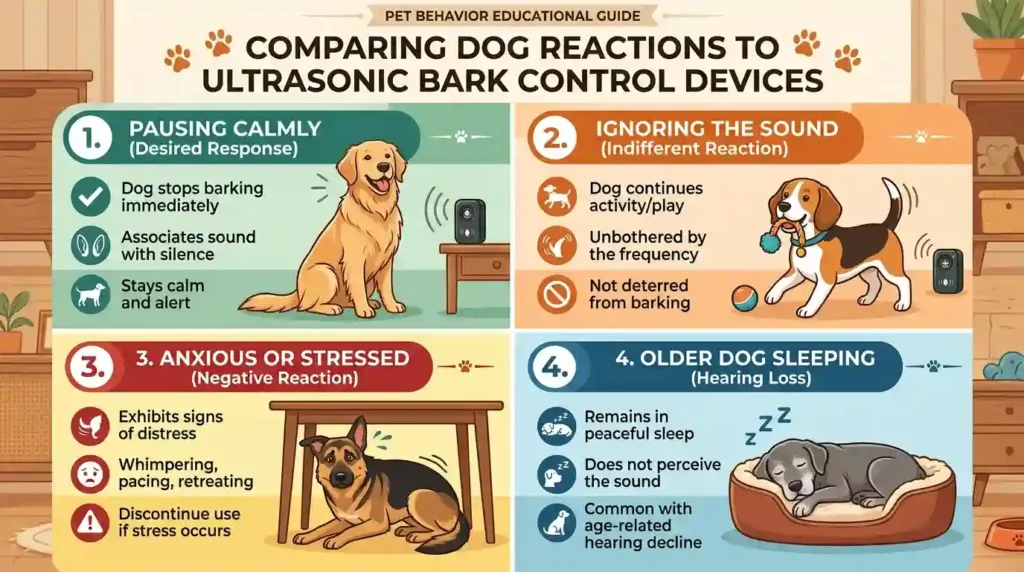
For some dogs, this sound is surprising enough to stop the barking in the moment. The dog hears the tone, pauses, and may look around to understand where it came from. If the tone happens every time the dog barks, the dog may begin to associate barking with the unpleasant sound.
However, the effect is not guaranteed. Some dogs ignore ultrasonic sounds completely. Others stop barking at first but later get used to the noise. Some become anxious because they do not understand why the sound is happening. This is why dog owners should view ultrasonic devices as bark interrupters, not complete behavior solutions.
The American Kennel Club notes that ultrasonic devices create a high-pitched sound in response to barking, but they still work as a form of correction rather than teaching the dog what to do instead. For a deeper look at bark-control tools, see this authoritative guide from the American Kennel Club on anti-barking tools.
Why Dogs Bark Before Understanding Ultrasonic Bark Control
Before using any anti-barking device, owners need to understand why the dog is barking. Barking is not a single behavior with one cause. It is a vocal signal that can come from many emotional states.
Alert Barking
Alert barking happens when a dog notices something new or unusual. This may include a person walking past the house, a car door closing, a package delivery, or another dog barking nearby. Many dogs bark because they believe they are warning their family.
Territorial Barking
Territorial barking is common near windows, fences, front doors, and yards. The dog may bark when someone approaches what the dog sees as its space. This type of barking is often intense, repetitive, and hard to stop once the dog is highly aroused.
Fear-Based Barking
Some dogs bark because they are afraid. A fearful dog may bark at strangers, children, loud noises, umbrellas, bicycles, or unfamiliar objects. If a dog is barking from fear, an ultrasonic device may increase stress because it adds another unpleasant stimulus.
Boredom Barking
Dogs with too little exercise, enrichment, or social interaction may bark simply because they are under-stimulated. This can happen when dogs are left alone in a yard, crate, or empty room for long periods.
Separation Anxiety Barking
A dog with separation anxiety may bark, howl, whine, pace, drool, scratch doors, or become destructive when left alone. Ultrasonic devices rarely solve separation anxiety because the barking is only a symptom of panic.
Attention-Seeking Barking
Some dogs learn that barking makes humans respond. Even negative attention, such as shouting “quiet,” can reward the behavior if the dog wants interaction.
Weather or Sound-Triggered Barking
Some dogs are sensitive to pressure changes, thunder, wind, or rain. If your dog barks before storms, you may also find this guide helpful: My Dog Bark Right Before It Rains.
How Ultrasonic Bark Deterrents Work
Ultrasonic bark deterrents use high-frequency sound to interrupt barking. These devices come in several forms, including handheld trainers, indoor bark-control units, outdoor bark boxes, and collars.
Sound Frequency and Canine Hearing
Dogs can hear higher frequencies than humans. This is why they may respond to sounds that people cannot hear. Ultrasonic devices use this hearing sensitivity by producing a sound that is noticeable or irritating to dogs but usually silent to humans.
The device does not physically stop the dog from barking. Instead, it creates an association: bark equals unpleasant sound. Over time, some dogs may bark less because they want to avoid the sound.
Automatic vs. Manual Devices
Automatic ultrasonic devices activate when they detect barking. They are often placed indoors, in yards, or near problem areas such as windows and fences.
Manual ultrasonic devices require the owner to press a button. These may offer more control because the owner decides when to use the sound. However, timing matters. If the sound happens too late or during the wrong behavior, the dog may not understand what caused it.
Ultrasonic Collars
Ultrasonic collars are worn around the dog’s neck and activate when the dog barks. Some collars combine vibration, sound, or spray corrections. While they may seem convenient, collars can create problems if they activate because of another dog’s bark or environmental noise.
Range and Environment
The effectiveness of ultrasonic sound depends on distance, walls, furniture, outdoor noise, wind, and device quality. A device placed too far away may not affect barking. A device placed too close may startle or stress a sensitive dog.
How Ultrasonic Devices Affect Dog Barking Differently by Dog
Not all dogs respond the same way. This is one reason reviews of ultrasonic bark devices are often mixed. One owner may say the device worked in one day, while another says their dog ignored it completely.
Age and Hearing Ability
Older dogs may have reduced hearing and may not respond strongly to ultrasonic sound. Dogs with hearing loss may not notice the tone at all. Puppies may respond differently because they are still learning about their environment and may be more sensitive to sudden sounds.
Breed and Temperament
Some breeds are naturally more vocal. Herding breeds, terriers, hounds, guarding breeds, and small companion dogs may bark frequently for different reasons. A confident dog may ignore an ultrasonic tone, while a sensitive dog may become nervous.
Motivation Behind the Barking
A dog barking at a squirrel may be too excited to care about the sound. A dog barking from fear may become more anxious. A bored dog may stop briefly but start again later. A dog barking for attention may simply find another way to demand interaction.
Previous Training History
Dogs that have been trained with rewards, cues, and calm routines may respond better to redirection. Dogs that have experienced punishment or inconsistent handling may become confused or defensive when exposed to unpleasant sounds.
Multi-Dog Homes
In homes with more than one dog, ultrasonic devices can be unfair. One dog may bark, but all dogs nearby may hear the sound. This can punish quiet dogs and create stress, confusion, or conflict between pets.
If your dog mainly reacts when visitors or kids arrive, you may need a behavior plan rather than a sound device. Read more here: Dog Barking When Children Visit the Home.
Benefits of Ultrasonic Dog Barking Devices
Ultrasonic devices can have some benefits when used carefully and ethically. They may be useful for certain dogs and certain barking patterns, especially when paired with training.
They Are Non-Shock Devices
Many owners prefer ultrasonic tools because they do not use electric shock. For people looking for a less physical bark deterrent, ultrasonic devices may feel like a safer option than shock collars.
They Can Interrupt Habit Barking
Some barking becomes a habit. A dog may bark at the same window, fence line, or hallway every day. In mild cases, an ultrasonic device may interrupt the pattern long enough for the owner to redirect the dog.
They May Help With Short-Term Management
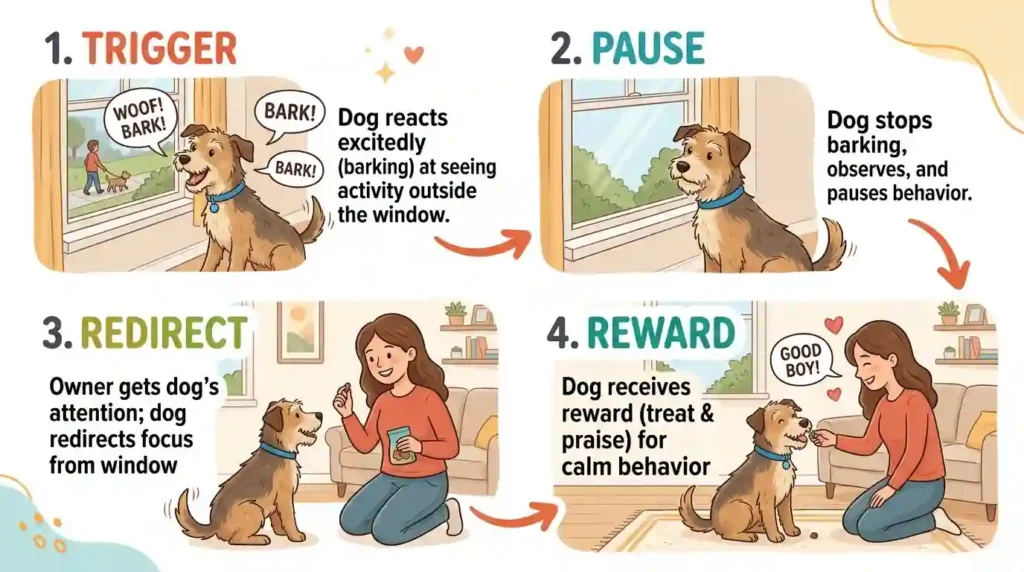
If a dog barks at predictable triggers, such as the doorbell or sidewalk traffic, the sound may create a pause. That pause gives the owner a chance to ask for a known cue like “come,” “place,” or “quiet,” then reward the dog for calm behavior.
They Are Easy to Set Up
Most devices require little setup. Indoor units can sit on a shelf. Outdoor devices can be mounted near a fence. Handheld devices can be kept near the door or walking leash.
They May Reduce Neighbor Complaints Temporarily
For owners dealing with urgent barking complaints, an ultrasonic device may reduce noise temporarily while a longer training plan is started. However, it should not be the only solution.
Possible Risks and Limitations
Although ultrasonic devices are often advertised as harmless, they are not risk-free. Sound can affect emotional behavior, especially in dogs that are anxious, noise-sensitive, or reactive.
They Do Not Address the Root Cause
If a dog barks because it is afraid, lonely, frustrated, or under-exercised, the device does not solve that problem. It only reacts to the bark. The emotional cause remains.
They Can Increase Anxiety
A sensitive dog may not understand where the sound is coming from. If the sound happens while the dog is already worried, the dog may associate the trigger with something even more unpleasant. For example, if a dog barks at children and then hears a disturbing sound, the dog may become more uncomfortable around children.
Dogs May Habituate
Habituation means the dog gets used to the sound. At first, the dog may stop barking. After repeated exposure, the dog may decide the sound is not important and continue barking.
Timing Can Be Inaccurate
Automatic devices may activate at the wrong time. They can be triggered by another dog, loud television, construction noise, coughing, or similar sounds. Poor timing makes learning unclear.
They May Suppress Communication
Barking can be useful information. If a dog is scared, in pain, or warning about distress, simply suppressing the bark may hide the symptom without helping the dog feel better.
They Can Affect Other Pets
Cats, puppies, senior dogs, and other animals may also notice high-frequency sounds. This matters in multi-pet homes.
They Are Not Ideal for Severe Behavior Problems
Dogs with aggression, separation anxiety, panic, compulsive barking, or intense reactivity need professional help. A sound device may make these issues worse if used without a behavior plan.
Best Ways to Use Ultrasonic Devices Safely
If you decide to try an ultrasonic bark-control device, use it with caution. The goal should be to interrupt barking and then teach the dog a better behavior, not to scare or punish the dog into silence.
Start With the Lowest Intensity
Choose a device with adjustable settings if possible. Begin with the lowest effective level. Watch your dog’s body language closely.
Signs of stress may include:
- Tail tucked
- Ears pinned back
- Trembling
- Hiding
- Lip licking
- Yawning
- Avoiding the area
- Refusing food
- Increased barking or whining
If you see these signs, stop using the device.
Pair the Pause With a Reward
The most useful moment is the pause after the dog stops barking. Immediately guide the dog into a calm behavior and reward it. For example:
- Dog barks at the window.
- Device interrupts barking.
- Dog pauses.
- You call the dog away.
- Dog comes to you.
- You reward with a treat, praise, or toy.
This teaches the dog what to do instead of barking.
Do Not Use It for Fearful Dogs
If the dog is barking because of fear, avoid ultrasonic correction. Fear-based barking needs confidence-building, distance, desensitization, counterconditioning, and calm exposure.
Avoid Constant Use
A device that runs all day can become background noise or create chronic stress. Use it only as part of a structured plan.
Control the Environment First
Close curtains, block window access, add white noise, move the dog away from fence lines, or create a calm resting zone. Environmental management often reduces barking faster than gadgets.
Reward Quiet Choices
Reward the dog when it notices a trigger and stays calm. Do not wait for barking to begin. Catch the quiet behavior early.
Training Alternatives That Work Better Long Term
Ultrasonic devices may interrupt barking, but long-term improvement usually comes from training and routine changes. Dogs learn best when they understand what behavior earns rewards.
Teach a “Quiet” Cue
Wait for a calm moment. When your dog is quiet, say “quiet” and reward. Practice when there are no big distractions first. Later, use the cue during mild barking situations.
Teach “Go to Place”
Train your dog to go to a bed, mat, or crate when visitors arrive or the doorbell rings. This gives the dog a job instead of letting it rush and bark.
Use Desensitization
Desensitization means exposing the dog to a trigger at a low level that does not cause full barking. For example, play a soft doorbell sound at low volume, reward calm behavior, and slowly increase the volume over time.
Use Counterconditioning
Counterconditioning changes the dog’s emotional response. If your dog barks at people outside, reward the dog when it sees people from a safe distance. Over time, the dog may learn that people predict good things instead of danger.
Increase Mental Enrichment
Puzzle feeders, scent games, chew toys, training sessions, sniff walks, and food-dispensing toys can reduce boredom barking.
Improve Physical Exercise
A dog with extra energy is more likely to bark at small triggers. Daily walks, playtime, structured training, and safe off-leash exercise can help.
Reduce Window and Fence Barking
Use privacy film, curtains, gates, or indoor barriers. For yard barking, supervise outdoor time and bring the dog inside before barking escalates.
Build a Calm Routine
Dogs bark more when they are overstimulated. Predictable routines, rest periods, and calm owner responses can reduce unnecessary barking.
When to Contact a Professional
Some barking problems require expert help. Contact a certified dog trainer, veterinary behaviorist, or veterinarian if barking is intense, sudden, emotional, or connected to aggression.
Get Help If Barking Comes With Aggression
If your dog lunges, growls, snaps, bites, or cannot calm down around triggers, do not rely on ultrasonic tools. Aggression-related barking requires a safety plan.
Get Help If Barking Is New
A sudden increase in barking may be related to pain, illness, hearing loss, cognitive decline, or anxiety. A veterinary exam is important.
Get Help for Separation Anxiety
Separation anxiety barking is not stubbornness. It is distress. Treatment may include gradual alone-time training, environmental changes, medication, and professional behavior support.
Get Help If Your Dog Seems Fearful
If the dog hides, shakes, refuses food, or becomes more reactive after hearing the ultrasonic sound, stop using the device and consult a professional.
Conclusion
Ultrasonic devices can affect dog barking by interrupting the behavior with a high-frequency sound that many dogs can hear. For some dogs, this may reduce barking in specific situations. For others, it may do little or may even increase stress. The biggest limitation is that ultrasonic devices do not teach a dog why to be calm, what to do instead, or how to feel safer around triggers.
The best approach is to understand the reason behind the barking first. If the barking comes from boredom, improve enrichment and exercise. If it comes from fear, use counterconditioning and confidence-building. If it comes from territorial behavior, manage the environment and teach calm cues. If it comes from separation anxiety or aggression, seek professional help.
Ultrasonic bark deterrents should be used carefully, briefly, and only as part of a larger humane training plan. A quieter dog is not just a dog that stops barking. A truly calmer dog is one that feels safe, understood, and guided toward better behavior.
FAQs
1. Do ultrasonic devices stop dog barking immediately?
Sometimes they do, but not always. Some dogs stop barking because the sound surprises them. Others ignore it or return to barking after a few moments. The result depends on the dog’s hearing, temperament, motivation, and barking trigger.
2. Are ultrasonic bark devices safe for dogs?
They are usually considered less invasive than shock collars, but they are not automatically stress-free. Sensitive, fearful, anxious, or noise-reactive dogs may become more stressed. Owners should watch body language closely and stop using the device if the dog shows fear or discomfort.
3. Can dogs get used to ultrasonic bark deterrents?
Yes. Some dogs habituate to the sound over time. A device that works during the first few days may become less effective if the dog learns that the sound has no real consequence or if the barking motivation is stronger than the interruption.
4. Do ultrasonic devices work through walls?
Usually not well. Walls, furniture, distance, outdoor noise, and wind can reduce the effect. For best results, the device needs a clear path and proper placement, but it should not be placed so close that it frightens the dog.
5. Will an ultrasonic device work for my neighbor’s barking dog?
It may or may not. Outdoor ultrasonic devices depend on range, direction, barriers, and the dog’s sensitivity. Also, using a device on someone else’s dog can create ethical and neighbor-relations concerns. A polite conversation, local noise rules, or professional mediation may be better.
6. Can ultrasonic devices make barking worse?
Yes, in some cases. If a dog is barking from fear, anxiety, or frustration, the unpleasant sound may add stress and increase reactivity. This is especially possible with fearful dogs, rescue dogs, puppies, or dogs with noise sensitivity.
7. Are ultrasonic bark collars better than stationary devices?
Not always. Collars stay with the dog, but they can activate at the wrong time or respond to other sounds. Stationary devices may be less direct but can still affect other pets nearby. Both should be used carefully and paired with training.
8. What is the best alternative to ultrasonic bark control?
The best alternative is a behavior plan based on the cause of barking. This may include positive reinforcement, teaching a quiet cue, rewarding calm behavior, blocking visual triggers, providing enrichment, and using desensitization or counterconditioning.
9. Should I use an ultrasonic device for separation anxiety barking?
No, not as the main solution. Separation anxiety barking is caused by distress when the dog is alone. A sound correction does not treat the panic and may worsen the problem. Work with a veterinarian or qualified behavior professional.
10. How long should I use an ultrasonic bark device?
Use it only temporarily and only while monitoring your dog. It should be a short-term management tool, not a permanent replacement for training, exercise, enrichment, and behavior modification.