

Summary
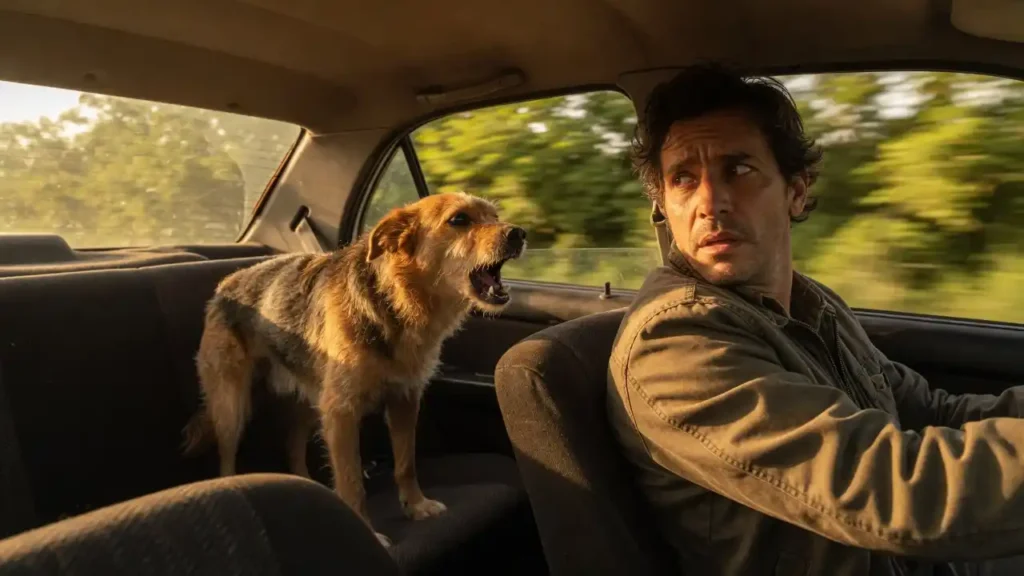
Dog barking during car rides is one of the most common behavioral challenges pet owners face, turning what should be a pleasant trip into a stressful, ear-splitting ordeal. This comprehensive guide explores the root causes behind car-related barking—from anxiety and overstimulation to territorial instincts and motion sickness—and provides practical, science-backed solutions to help your dog stay calm and quiet on every journey. Whether you’re dealing with a puppy who’s never been in a car before or an adult dog with deeply ingrained barking habits, this article will walk you through proven training techniques, tools, and management strategies to restore peace to your car rides.
Table of Contents
- Introduction
- Understanding Why Dogs Bark in Cars
- Common Causes of Dog Barking During Car Rides
- How to Identify the Root Cause of Your Dog’s Barking
- Effective Fixes for Dog Barking During Car Rides
- When to Seek Professional Help
- Preventing Future Barking Episodes
- Conclusion
- FAQs
Introduction
Few things test a pet owner’s patience like a dog barking nonstop during a car ride. What starts as a short trip to the vet or a fun outing to the park can quickly become chaotic when your dog won’t stop vocalizing. This behavior isn’t just annoying—it can be dangerous, distracting drivers and creating unsafe conditions on the road.
Understanding dog barking during car rides requires looking beyond the surface-level noise and identifying what’s actually driving your dog’s behavior. Dogs communicate through barking for many reasons, and car rides create a unique cocktail of stimuli—motion, confinement, changing scenery, unfamiliar sounds—that can trigger anxiety, excitement, or discomfort in even the calmest dogs.
Understanding Why Dogs Bark in Cars
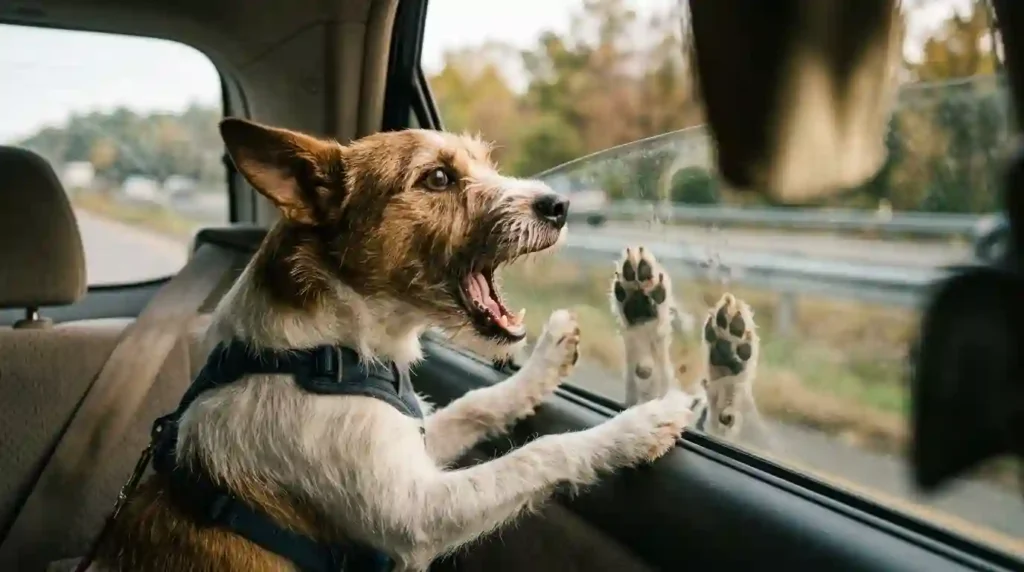
Barking is a natural form of canine communication. It’s how dogs express fear, excitement, frustration, or a desire to alert their owners to perceived threats. In the context of a moving vehicle, these triggers become amplified due to the confined space and constant sensory input.
According to the American Kennel Club, barking is a normal canine behavior, but excessive barking often signals an underlying issue that needs to be addressed rather than simply suppressed. Understanding your dog’s body language, breed tendencies, and past experiences with vehicles is essential to solving the problem long-term rather than applying a quick fix that masks the symptoms.
The Role of Canine Instincts
Dogs are descendants of wolves, and many of their behaviors—including barking—stem from instinctual pack communication. In a car, a dog may perceive passing vehicles, pedestrians, or other animals as intruders entering their mobile “territory,” triggering an alarm response. This is especially common in breeds with strong guarding instincts, such as German Shepherds, Rottweilers, and terriers.
Common Causes of Dog Barking During Car Rides
Identifying the specific trigger behind your dog’s barking is the first step toward a lasting solution. Below are the most frequent causes.
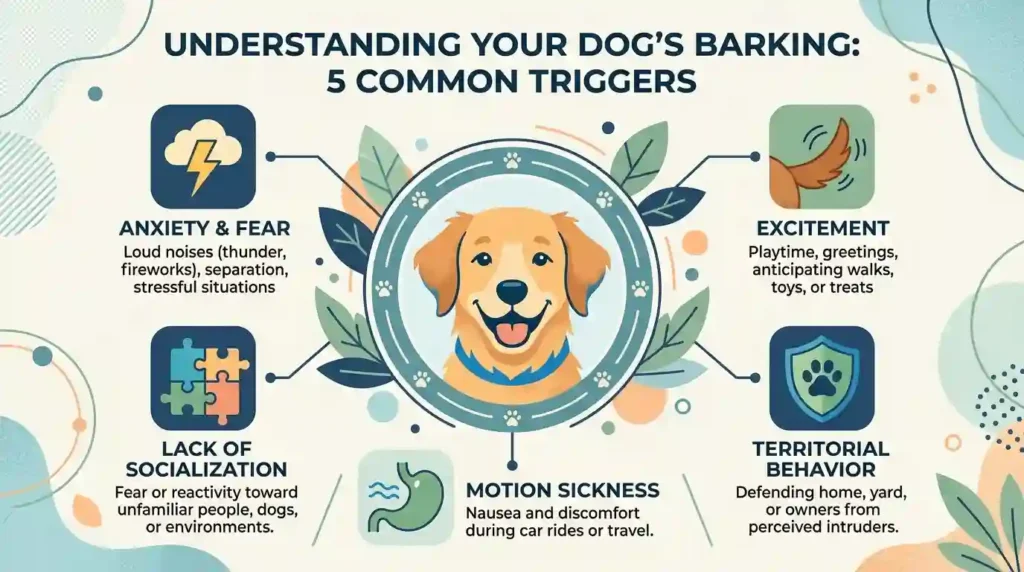
Anxiety and Fear
Car anxiety is one of the leading causes of excessive barking during rides. Dogs that associate car travel with negative experiences—such as a trip to the vet, groomer, or a traumatic past event—often develop conditioned fear responses. Signs of anxiety-driven barking include:
- Trembling or shaking
- Excessive drooling
- Pacing or restlessness
- Whining combined with barking
- Attempts to escape or hide
Anxiety-based barking tends to start as soon as the dog senses preparation for a car ride, such as picking up keys or opening the car door.
Excitement and Overstimulation
Not all barking stems from fear. Many dogs bark out of pure excitement, especially if car rides typically lead to fun destinations like the dog park, beach, or a friend’s house. This type of barking is usually accompanied by tail wagging, jumping, and an overall energetic demeanor. While less concerning than fear-based barking, excitement barking can still be disruptive and unsafe for the driver.
Territorial Behavior
Some dogs view the car as an extension of their home territory. When they see people, animals, or other cars passing by, their instinct is to bark as a warning or deterrent. This territorial response is similar to how dogs react to perceived intruders near the house, and it’s often breed-specific, appearing more frequently in guarding and herding breeds.
Interestingly, this territorial and alert-based barking shares similarities with the reactive barking dogs display in other contexts. For instance, understanding Dog Barking at Baby Crying can offer valuable insight into how dogs interpret sudden, unfamiliar stimuli as threats requiring vocal response—a pattern that mirrors what happens when a dog barks at passing cars or pedestrians during a drive.
Motion Sickness and Physical Discomfort
Just like humans, dogs can experience motion sickness, particularly puppies whose inner ear balance systems are still developing. Physical discomfort from motion sickness often manifests as:
- Excessive drooling
- Lip licking
- Vomiting
- Restlessness
- Barking or whining as a distress signal
If your dog only barks during car rides and shows signs of nausea, motion sickness could be the underlying culprit rather than a behavioral issue.
Lack of Socialization or Car Exposure
Dogs that weren’t gradually introduced to car travel as puppies may struggle with the unfamiliar sensory experience as adults. Without proper socialization, the car remains a foreign, unpredictable environment, leading to stress-induced barking. This is particularly common in rescue dogs, who may have limited or negative prior exposure to vehicles.
How to Identify the Root Cause of Your Dog’s Barking
Before implementing any training or behavioral fixes, take time to observe your dog closely during car rides. Ask yourself:
- Does the barking start before the car even moves, or only once it’s in motion?
- Is your dog showing physical signs of distress (drooling, panting, trembling)?
- Does the barking correlate with specific triggers outside the window, like other dogs or pedestrians?
- Is your dog’s body language relaxed and playful, or tense and rigid?
- Has your dog had any traumatic experiences involving cars, such as an accident or a stressful vet visit?
Keeping a simple journal of your dog’s behavior across several car trips can help you spot patterns and pinpoint the exact trigger, which is crucial for choosing the right intervention strategy.
This diagnostic approach is similar to how experienced trainers evaluate other context-specific reactivity issues. For example, if you’re dealing with a rescue dog that shows fear or aggression toward specific people, the article My Rescue Dog Bark at Men Specifically walks through a similar process of identifying triggers rooted in past trauma—a methodology that applies just as well to diagnosing car-related barking.
Effective Fixes for Dog Barking During Car Rides
Once you’ve identified the likely cause, you can begin applying targeted solutions. Most dogs respond well to a combination of behavioral training, environmental management, and, in some cases, calming tools.
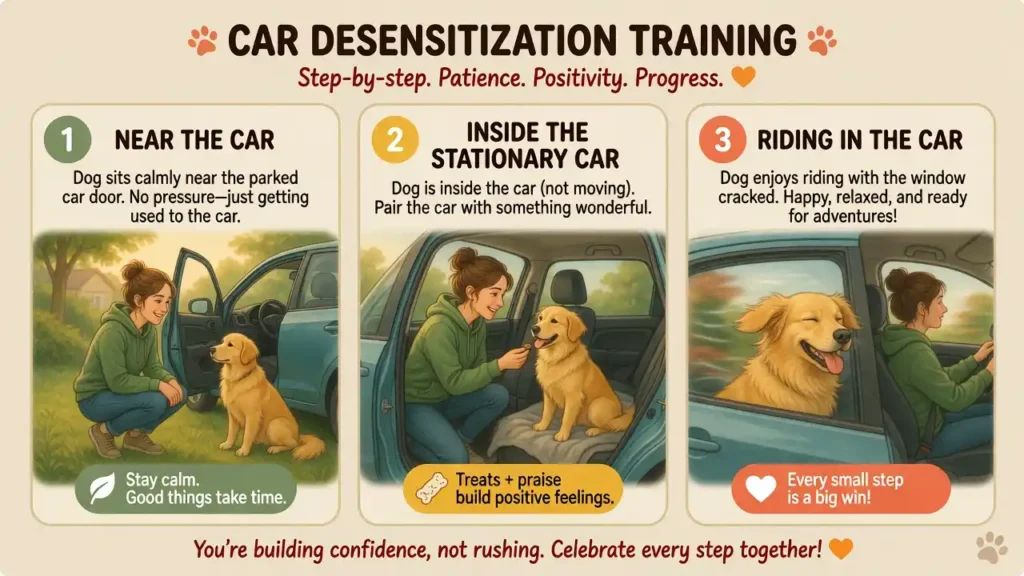
Gradual Desensitization Training
Desensitization is one of the most effective long-term solutions for anxiety and fear-based barking. This process involves slowly and positively exposing your dog to the car in small, manageable increments.
Step-by-step desensitization plan:
- Start stationary. Let your dog explore the parked car without turning on the engine. Reward calm behavior with treats and praise.
- Short engine runs. Turn on the engine while the car remains parked, rewarding your dog for staying relaxed.
- Brief drives. Take very short trips around the block, gradually increasing duration as your dog remains calm.
- Positive destinations. Ensure early trips end somewhere enjoyable, like a park, rather than always the vet.
- Consistency. Repeat these steps over days or weeks, progressing only when your dog shows consistent calm behavior at each stage.
This method rewires your dog’s association with car travel from a source of stress to a neutral or even positive experience.
Crate Training and Restraint Systems
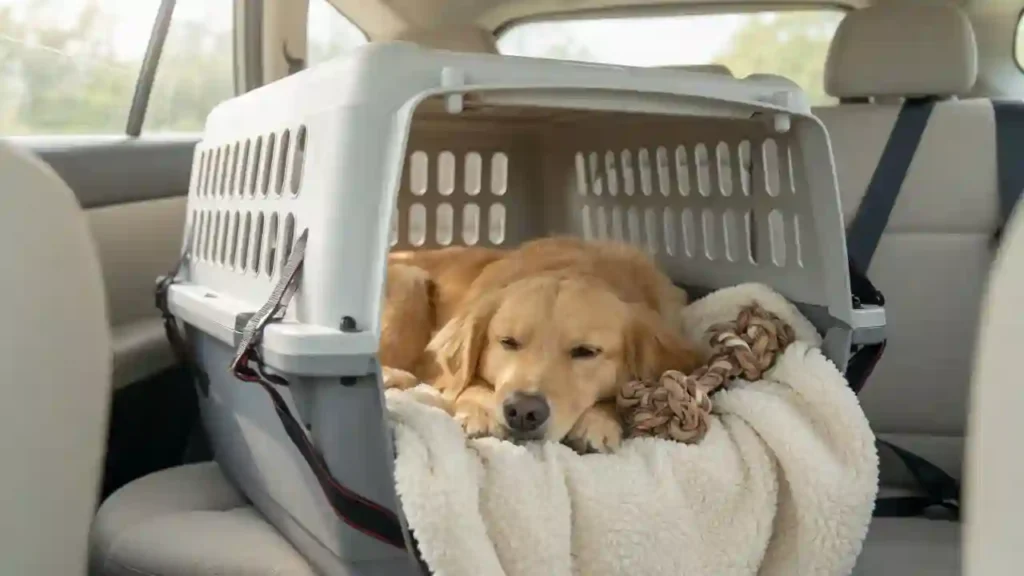
Using a crate, car harness, or dog seatbelt not only improves safety but can also reduce barking by limiting your dog’s ability to see out the window and react to external stimuli. Crates create a den-like sense of security, which can be particularly calming for anxious dogs.
Look for:
- A well-ventilated, appropriately sized travel crate
- A crash-tested car harness for smaller dogs
- Barriers or dividers to restrict access to windows for territorial barkers
Calming Aids and Tools
For dogs with moderate to severe anxiety, calming aids can complement training efforts. Options include:
- Anxiety wraps or thundershirts that apply gentle, constant pressure
- Pheromone sprays like Adaptil, which mimic calming canine pheromones
- Calming chews or supplements containing ingredients like L-theanine or chamomile (consult your veterinarian first)
- White noise or calming music designed specifically for dogs to mask outside stimuli
According to the American Veterinary Medical Association, pheromone therapy and environmental modification are commonly recommended as part of a broader behavioral management plan for anxious dogs, especially when combined with training.
Positive Reinforcement Techniques
Never punish your dog for barking in the car, as this can increase anxiety and worsen the behavior. Instead, use positive reinforcement:
- Reward moments of silence with treats and praise
- Use a calm, low-pitched voice to soothe rather than escalate excitement
- Practice basic obedience commands like “quiet” or “settle” in low-distraction environments before applying them in the car
- Bring high-value treats specifically reserved for car rides to maintain motivation
Managing the Car Environment
Simple environmental adjustments can significantly reduce barking triggers:
- Use window shades or privacy covers to block your dog’s view of passing stimuli
- Position your dog in the back seat facing away from the side windows when possible
- Maintain a comfortable temperature to avoid discomfort-driven barking
- Take breaks on longer trips to allow your dog to relieve stress through movement and bathroom breaks
- Play calming music or white noise to reduce awareness of outside triggers
When to Seek Professional Help
While many cases of car barking can be resolved through consistent training and management, some situations call for professional intervention. Consider consulting a certified dog trainer or veterinary behaviorist if:
- Your dog’s barking is accompanied by aggression or destructive behavior
- Anxiety symptoms worsen despite consistent training efforts
- Your dog shows signs of panic, such as attempting to escape the car or injuring itself
- The barking is paired with other behavioral issues, such as separation anxiety or reactivity toward specific triggers
A professional can help design a customized behavior modification plan and may recommend anti-anxiety medication for severe cases, used in conjunction with training rather than as a standalone solution.
Preventing Future Barking Episodes
Prevention is always easier than correction. To minimize the risk of your dog developing car-related barking habits in the first place:
- Start young. Introduce puppies to car rides early and positively.
- Various destinations. Avoid always associating car rides with stressful events like vet visits.
- Practice regularly. Frequent, low-stress car exposure builds long-term tolerance.
- Monitor stress signals. Address early signs of anxiety before they escalate into full-blown barking episodes.
- Maintain consistency across all family members and caregivers regarding training methods and expectations.
Conclusion
Dog barking during car rides can stem from a variety of causes, including anxiety, excitement, territorial instincts, motion sickness, or insufficient socialization. The key to resolving this behavior lies in accurately identifying the root cause and applying a tailored combination of desensitization training, environmental management, and positive reinforcement. With patience, consistency, and the right tools, most dogs can learn to travel calmly and comfortably, transforming stressful car rides into enjoyable experiences for both pet and owner. If barking persists despite your best efforts, don’t hesitate to seek guidance from a professional trainer or veterinary behaviorist to address any deeper underlying issues.
FAQs
1. Why does my dog only bark when the car is moving?
This is often linked to visual stimuli outside the window, such as passing cars, people, or animals, triggering territorial or alert-based barking. It can also indicate motion sickness in some dogs.
2. Is it normal for puppies to bark during car rides?
Yes, puppies often bark due to unfamiliarity with car travel. Gradual, positive exposure at a young age helps prevent this from becoming a long-term habit.
3. Can calming supplements stop my dog from barking in the car?
Calming supplements can help reduce anxiety-driven barking but work best when combined with proper desensitization training rather than used as a standalone solution.
4. Should I ignore my dog’s barking during car rides?
Ignoring barking without addressing the underlying cause is unlikely to resolve the issue. It’s more effective to identify the trigger and apply targeted training techniques.
5. How long does it take to stop a dog from barking in the car?
This varies by dog and cause, but typically takes several weeks of consistent desensitization training to see significant improvement.