


Summary
When used correctly under veterinary guidance, anxiety medication helps dogs that bark excessively by lowering fear, panic, and emotional overreaction so the dog can respond better to training, desensitization, and a calmer daily routine. Excessive barking is not always “bad behavior.” In many dogs, it is a stress signal connected to separation anxiety, noise sensitivity, fear of strangers, car reactivity, territorial stress, compulsive habits, or poor emotional regulation. Medication does not magically stop barking overnight, but it can reduce the anxiety behind the barking and make long-term behavior change more realistic.
Table of Contents
- How Anxiety Medication Helps Dogs That Bark Excessively
- Why Dogs Bark Excessively When They Feel Anxious
- When Anxiety Medication Helps Dogs That Bark Excessively Most
- Common Anxiety Triggers Behind Excessive Barking
- Types of Anxiety Medication Vets May Consider
- Medication Alone Is Not a Complete Barking Solution
- Training and Behavior Modification With Medication
- Signs Your Dog May Need Veterinary Help
- Mistakes Dog Owners Should Avoid
- Conclusion
- FAQs
How Anxiety Medication Helps Dogs That Bark Excessively
Excessive barking can feel frustrating for dog owners, especially when it happens every day, disturbs neighbors, interrupts sleep, or makes simple situations difficult. But before solving the barking, it is important to understand what the barking is trying to say.
Dogs bark for many reasons. Some bark to alert their family. Some bark because they are excited. Some bark because they are bored, under-stimulated, or trying to get attention. But when barking becomes intense, repetitive, difficult to interrupt, and linked to fear or panic, anxiety may be one of the deeper causes.
This is where anxiety medication may help. The goal of medication is not to silence the dog or change its personality. The goal is to reduce the emotional pressure that makes the dog feel unsafe, overwhelmed, or unable to cope.
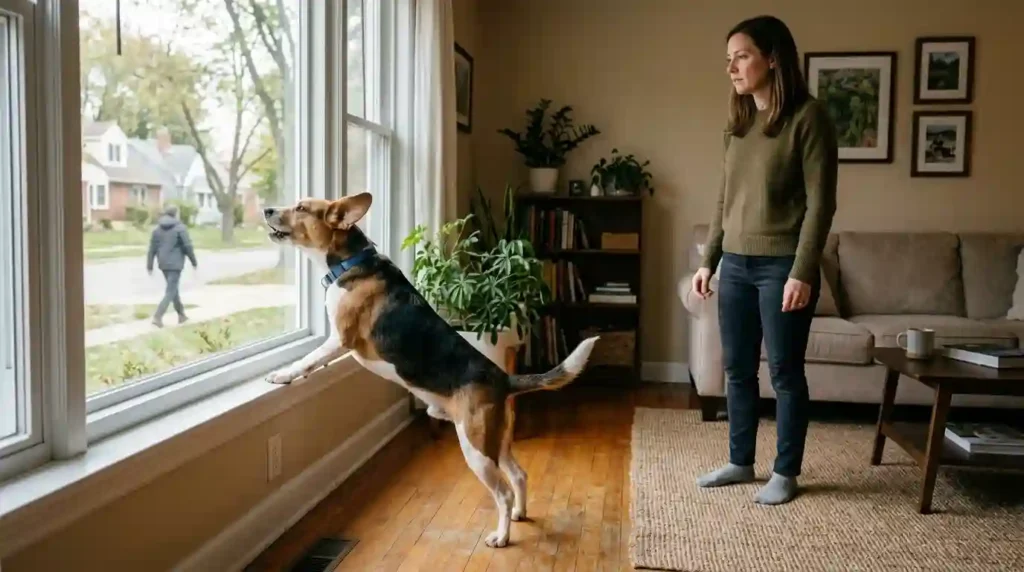
An anxious dog may bark because its nervous system is on high alert. A person walking past the window, a doorbell, another dog, a car ride, a thunderstorm, running water, or being left alone may feel threatening to the dog. In that emotional state, the dog is not calmly choosing to bark. It is reacting.
Medication can help lower that emotional intensity. When anxiety is reduced, the dog may become more capable of learning, listening, resting, and responding to positive training. This is why medication is often most effective when it is part of a complete plan that includes veterinary assessment, behavior modification, trigger management, and owner education.
Why Dogs Bark Excessively When They Feel Anxious
Anxiety changes how a dog processes the world. A calm dog may notice a sound outside and move on. An anxious dog may hear the same sound and feel alarmed, trapped, or threatened. Barking becomes a coping response.
Barking as a Stress Signal
Excessive barking is often a symptom, not the root problem. A dog may bark because it wants distance from something scary, wants the owner to return, wants to control movement outside the home, or cannot calm down after a trigger appears.
Common stress-related signs that may appear with anxiety barking include:
- Pacing
- Panting
- Whining
- Howling
- Trembling
- Drooling
- Destructive chewing
- Scratching doors or windows
- Restlessness
- Loss of appetite during stressful events
- Repetitive scanning or guarding behavior
When these signs appear with barking, the issue may be more than simple obedience.
Barking Becomes a Habit Loop
Anxiety barking can become stronger over time because the dog may feel rewarded by the result. For example, if a dog barks at people passing outside and the people keep walking away, the dog may believe barking “worked.” If a dog barks when left alone and the owner eventually returns, the barking may become linked to panic and relief.
This does not mean the dog is manipulating the owner. It means the dog has learned a pattern while feeling stressed. Medication can sometimes help break the intensity of that emotional loop, so training has a better chance of working.
Some Dogs Cannot Learn While Panicking
Training works best when a dog is able to think. A highly anxious dog may be too overwhelmed to learn. If the dog is barking, lunging, shaking, or trying to escape, it may not be capable of focusing on cues like “quiet,” “place,” or “leave it.”
Medication may help bring the dog below that panic level. Once the dog is calmer, behavior training becomes more effective.
When Anxiety Medication Helps Dogs That Bark Excessively Most
Medication is not the first answer for every barking dog. Some dogs improve with more exercise, better routines, enrichment, positive reinforcement training, or better management of triggers. However, anxiety medication may be helpful when the barking is intense, chronic, fear-based, or connected to a diagnosed behavior condition.
Separation Anxiety Barking
One of the most common situations where medication may be considered is separation anxiety. Dogs with separation anxiety may bark, howl, cry, destroy items, scratch doors, or panic when left alone.
This barking is different from boredom barking. A bored dog may bark for stimulation, but a separation-anxious dog is often experiencing distress. The dog may start panicking as soon as the owner prepares to leave, picks up keys, puts on shoes, or closes the door.
In these cases, medication may help reduce panic enough for a structured alone-time training plan to work.
Noise Aversion and Sound Sensitivity
Some dogs bark excessively at thunder, fireworks, traffic sounds, construction noise, doorbells, household appliances, or other sudden sounds. These dogs may not simply “dislike noise.” They may have a fear-based sound sensitivity.
Medication may be used in specific situations, such as fireworks season, thunderstorms, or predictable sound events. In other cases, a vet may recommend longer-term anxiety support if the dog reacts to many everyday sounds.
Fear-Based Reactivity
Fear-based reactivity can happen when a dog barks at strangers, other dogs, cyclists, children, delivery drivers, or people outside the car window. The barking may look aggressive, but the emotional root may be fear or insecurity.
For example, a dog that barks intensely from inside a car may feel trapped and unable to move away. If your dog struggles with car-window barking, you may also find this related guide helpful: Dog Barking at People Outside the Car Window.
Medication may help some reactive dogs become less explosive, but it should be paired with controlled exposure, distance management, and reward-based behavior work.
Compulsive or Repetitive Barking
Some dogs bark in a repetitive, hard-to-interrupt way even when the trigger is no longer present. This may happen with certain frustration, anxiety, or compulsive behavior patterns. In these cases, a veterinarian or veterinary behaviorist may need to evaluate whether the barking is part of a broader behavioral disorder.
Common Anxiety Triggers Behind Excessive Barking
To understand whether medication may help, owners need to identify what triggers the barking. The trigger gives clues about the emotional cause.
People or Dogs Passing the Home
Dogs that bark through windows, fences, or doors may be reacting to movement outside their territory. The barking can be territorial, fearful, frustrated, or habit-based. Blocking visual access, using white noise, and teaching calm alternative behaviors may help.
Car Rides and Car Windows
Some dogs bark in cars because they are overstimulated by fast-moving sights. Others bark because they feel unsafe or trapped. The combination of motion, sounds, passing people, and limited control can make the dog anxious.
Medication may help in some severe cases, but owners should also work on calm car conditioning, safe restraint, window management, and gradual exposure.
Water, Sprinklers, and Moving Objects
Some dogs bark at sprinklers, running water, hoses, shadows, reflections, vacuum cleaners, or other moving household triggers. This may be excitement, prey-drive stimulation, fear, or frustration. If your dog barks intensely around water movement, read this related article: Dog Barking at Sprinklers or Running Water.
Being Left Alone
If barking mostly happens when the dog is alone, separation anxiety should be considered. A camera can help owners observe whether the dog is calmly barking occasionally or panicking after departure.
Loud or Sudden Noises
Thunder, fireworks, alarms, motorcycles, and construction sounds can trigger anxiety barking. These dogs may need a noise-reduction plan, safe space, counterconditioning, and veterinary support.
Types of Anxiety Medication Vets May Consider
Only a veterinarian can decide whether medication is appropriate for a dog. The right option depends on the dog’s health, age, behavior history, trigger pattern, severity, current medications, and medical conditions.
Daily Anxiety Medications
Some dogs need daily support when anxiety is frequent or affects their normal life. These medications are usually not instant fixes. They may take time to build effect and are often used alongside a structured training plan.
Veterinarians may consider medications such as selective serotonin reuptake inhibitors or tricyclic antidepressants for certain anxiety-related behavior problems. These options are commonly discussed in veterinary behavior care, especially when anxiety is ongoing rather than limited to one rare event.
Situational Anxiety Medications
Some dogs only need help during predictable stressful events, such as fireworks, thunderstorms, vet visits, grooming appointments, travel, or visitors coming to the home. In these cases, a vet may discuss situational medication.
Situational medications are usually given before a known trigger, not after the dog is already panicking. Timing matters, which is why owners should follow the veterinarian’s instructions carefully.
Combination Plans
Some dogs may need a daily medication plus a situational medication for high-stress events. Others may only need short-term help while training progresses. Every dog is different, and treatment should be adjusted based on response and safety.
Why You Should Never Self-Medicate a Dog
Owners should never give human anxiety medication, leftover pet medication, supplements, sedatives, or online-purchased drugs without veterinary guidance. Dogs can react differently from humans, and some drugs can be dangerous when mixed with other medications or used in the wrong dose.
Medication should be prescribed based on a proper veterinary exam and behavior assessment.

Medication Alone Is Not a Complete Barking Solution
A common mistake is thinking medication will “fix” barking by itself. In most cases, it will not. Medication may reduce anxiety, but the dog still needs to learn new emotional responses and new behaviors.
Medication Creates a Learning Window
A helpful way to understand medication is this: it may open the learning window. When anxiety is lower, the dog may be able to notice a trigger without immediately exploding into barking. That moment creates space for training.
For example, instead of barking nonstop at a passerby, the dog may notice the person, pause, and take a treat. That pause is progress. Over time, the dog can learn that the trigger predicts something positive rather than danger.
Environmental Management Still Matters
If a dog barks at every person outside the window, medication will not work well if the dog spends all day watching the street. Management is still necessary.
Helpful management steps may include:
- Closing blinds or using window film
- Moving furniture away from windows
- Using white noise
- Creating a safe resting area
- Avoiding known triggers during early training
- Using leashes, gates, or crates safely when needed
- Reducing exposure before the dog reaches panic level
The goal is not to hide the dog from life forever. The goal is to reduce constant rehearsal of barking while training builds better coping skills.
Training Must Match the Cause
A dog barking from fear needs a different plan than a dog barking from boredom. A dog barking from separation anxiety needs a different plan than a dog barking at squirrels. This is why identifying the emotional cause is so important.
Training and Behavior Modification With Medication
Medication works best when combined with positive, science-based behavior support. Harsh corrections, shock collars, yelling, leash jerks, or punishment can make anxiety worse because they add more stress to an already overwhelmed dog.
Desensitization
Desensitization means exposing the dog to a trigger at a very low level that does not cause panic. For example, if a dog barks at doorbells, the owner may start with a very quiet doorbell sound played at low volume. The sound is gradually increased only when the dog remains calm.
Counterconditioning
Counterconditioning means changing the dog’s emotional response to the trigger. If the dog sees a person outside and immediately receives a high-value treat before barking starts, the dog may gradually learn that people outside predict good things.
Teaching Alternative Behaviors
Dogs need to know what to do instead of barking. Helpful alternative behaviors may include:
- Going to a mat
- Looking at the owner
- Taking a treat
- Moving away from the window
- Settling in a safe space
- Chewing a calming enrichment toy
- Following a “find it” food scatter cue
The replacement behavior should be easy, rewarding, and practiced before the dog is in a high-stress situation.
Alone-Time Training
For separation anxiety, training must be very gradual. The dog may start with tiny absences that do not trigger panic. Over time, the duration is increased carefully. Medication may support this process by reducing panic, but the training plan still matters.
Enrichment and Routine
Anxious dogs often do better with predictable routines and appropriate enrichment. Food puzzles, sniff walks, gentle exercise, calming chew items, and structured rest can help reduce overall stress.
However, exercise alone is not a cure for anxiety. A tired, anxious dog may still be anxious. The goal is balanced mental and physical support.

Signs Your Dog May Need Veterinary Help
Not every barking issue needs medication, but some signs suggest it is time to speak with a veterinarian or veterinary behavior specialist.
Barking Is Intense and Hard to Interrupt
If your dog cannot stop barking once triggered, even when you offer treats, cues, distance, or comfort, anxiety may be too high for basic training alone.
Barking Comes With Panic Signs
Seek help if barking is paired with shaking, drooling, destructive behavior, house-soiling, escape attempts, vomiting, refusal to eat during stress, or self-injury.
Barking Happens When the Dog Is Alone
If your dog barks or howls for long periods when alone, record the behavior and discuss it with a vet. Separation anxiety can be serious and may worsen without the right plan.
The Dog Is Losing Quality of Life
If barking is preventing your dog from resting, walking calmly, traveling, greeting visitors, or staying home alone, professional help is appropriate.
Training Has Not Worked
If you have tried reward-based training, management, enrichment, and routine changes but the barking remains severe, medication may be worth discussing.
Mistakes Dog Owners Should Avoid
Mistake 1: Punishing Anxiety Barking
Punishment may stop barking in the moment, but it often increases fear. A dog that is already anxious may become more stressed when yelled at or corrected. This can make the emotional problem worse.
Mistake 2: Waiting Too Long
Many owners wait until barking has become a deeply rehearsed habit. Early support is often easier than trying to change a behavior that has been practiced for months or years.
Mistake 3: Expecting Instant Results
Some anxiety medications take time to show full effects. Training also takes repetition. Progress may appear as shorter barking episodes, faster recovery, lower intensity, or better focus before the barking fully improves.
Mistake 4: Stopping Medication Without Veterinary Advice
Owners should not stop medication suddenly unless instructed by a veterinarian. Some medications need gradual adjustment. Always follow professional guidance.
Mistake 5: Ignoring Medical Causes
Pain, hearing changes, cognitive decline, hormonal problems, neurological issues, and other medical conditions can affect behavior. A veterinary exam helps rule out health problems that may contribute to barking.
How to Prepare for a Vet Visit About Anxiety Barking
A good vet visit is easier when you bring clear information.
Track Barking Patterns
Write down when the barking happens, what triggers it, how long it lasts, and what helps the dog recover. This gives your vet useful context.
Record Short Videos
Videos can help professionals understand body language. Record your dog safely without provoking fear on purpose.
List Current Products and Medications
Tell your vet about all supplements, flea/tick products, medications, calming treats, and health conditions. This helps avoid unsafe combinations.
Be Honest About Daily Life
Share your dog’s routine, exercise level, alone time, sleeping habits, household activity, and training history. Anxiety treatment works best when the plan fits real life.
Natural Support vs Prescription Medication
Many owners prefer natural calming aids before prescription medication. Some dogs may benefit from calming routines, enrichment, pheromone products, pressure wraps, safe spaces, white noise, or supplements recommended by a vet.
However, natural does not always mean effective or safe. Severe anxiety may need prescription support. The best choice depends on the dog’s level of distress.
A helpful rule is this: if the dog is mildly stressed but still able to eat, think, rest, and recover, non-prescription support and training may be enough. If the dog is panicking, unable to settle, or exhibiting severe barking daily, veterinary medication may be a kinder option than letting the dog suffer.
What Improvement Can Look Like
Improvement does not always mean silence. A realistic goal may be:
- The dog barks fewer times
- Barking episodes are shorter
- The dog recovers faster
- The dog can take treats near triggers
- The dog can rest more often
- The dog can be alone for gradually longer periods
- The dog responds better to training cues
- The owner feels more confident managing situations
For many dogs, success means better emotional control, not complete removal of normal dog communication.
Conclusion
Anxiety-related barking is not simply a noise problem. It is often a sign that a dog feels unsafe, overwhelmed, or unable to cope with a trigger. In the right cases, anxiety medication can help reduce the emotional intensity behind excessive barking so the dog can learn calmer responses.
Medication should never be used as a shortcut, punishment replacement, or do-it-yourself experiment. It should be discussed with a veterinarian and paired with behavior modification, trigger management, positive reinforcement, and a realistic training plan.
For dogs with separation anxiety, noise sensitivity, fear-based reactivity, or severe stress barking, medication may improve welfare and make training more successful. The goal is not to create a silent dog. The goal is to help the dog feel safe enough to think, learn, rest, and live more comfortably.
FAQs
1. Can anxiety medication stop a dog from barking excessively?
Anxiety medication may reduce excessive barking when the barking is caused by fear, panic, separation anxiety, or stress. However, it usually works best with training and behavior modification. It is not an instant silence solution.
2. How do I know if my dog’s barking is caused by anxiety?
Anxiety barking often comes with signs such as pacing, panting, trembling, whining, drooling, destructive behavior, escape attempts, or inability to calm down. A veterinarian can help determine whether anxiety is involved.
3. Is anxiety medication safe for dogs?
Veterinary-prescribed anxiety medication can be safe when used correctly, but it must be chosen and monitored by a veterinarian. Owners should never give human medication or leftover pet medication without professional guidance.
4. Will medication change my dog’s personality?
The goal of medication is not to change your dog’s personality. The goal is to reduce anxiety so your dog can feel calmer and respond better to training. If a dog seems overly sedated or not like itself, the vet should be informed.
5. How long does dog anxiety medication take to work?
Some medications may help with specific situations, while others may take several weeks to show full effects. The timeline depends on the medication, the dog, and the treatment plan. Your veterinarian can explain what to expect.
6. Should I try training before medication?
For mild barking, training and management may be enough. For severe anxiety, panic, self-injury, or long-term distress, medication may be needed alongside training. The decision should be based on the dog’s welfare and veterinary advice.
7. Can I use calming treats instead of medication?
Some calming products may help with mild stress, but they may not be enough for serious anxiety. Always ask your vet before combining supplements with medication, because some ingredients may interact with drugs.
8. What should I do if my dog barks when left alone?
Record your dog when alone and look for signs of panic, howling, destruction, pacing, or escape attempts. If these signs appear, speak with a veterinarian or qualified behavior professional about separation anxiety.