


Summary
Dog barking after losing a companion dog is often a sign of grief, confusion, anxiety, loneliness, or a sudden disruption in your dog’s daily routine. When one dog in a bonded pair passes away, the surviving dog may bark more at night, bark at empty spaces, whine near the door, react to sounds, or call out as if searching for their missing friend. This behavior is not “bad behavior.” It is usually your dog’s way of expressing stress and trying to understand a major change in the home. With patience, structure, emotional support, enrichment, and sometimes help from a veterinarian or certified dog behavior professional, most grieving dogs can gradually feel safe again.
Table of Content
- What Does Dog Barking After Losing a Companion Dog Mean?
- Why Dog Barking After Losing a Companion Dog Gets Worse at Night
- Common Signs of Canine Grief After a Dog Dies
- How Long Will a Dog Bark After Losing Another Dog?
- How to Comfort a Grieving Dog Without Reinforcing Anxiety
- Training Tips to Reduce Grief-Related Barking
- When Barking May Be Separation Anxiety
- Should You Get Another Dog Right Away?
- When to Call a Veterinarian or Behaviorist
- Conclusion
- FAQs
What Does Dog Barking After Losing a Companion Dog Mean?
When a dog loses a companion dog, barking can become one of the most noticeable behavioral changes. Dogs are social animals. Many build strong routines, emotional bonds, play patterns, sleeping habits, and communication habits with the other dogs in the home. When that familiar companion is suddenly gone, the surviving dog may feel unsettled.
Barking may mean several things. Your dog may be calling for the missing dog, reacting to the silence in the home, feeling insecure without their social partner, or responding to your sadness and household changes. Some dogs bark because they are confused. Others bark because they have lost confidence and now feel more alert to every sound, shadow, or movement.
This type of barking is often connected to canine grief. A grieving dog may not understand death in the same way humans do, but they can recognize absence, routine changes, emotional tension, and the loss of companionship. Veterinary behavior guidance from VCA Animal Hospitals explains that pets can show behavioral changes after a family member or companion animal dies, including distress linked to changes in the household group dynamic. For more expert insight, you can read their guide on helping a grieving pet.
In simple terms, barking after a companion dog dies is often your dog’s emotional response to a world that suddenly feels different.
Why Dog Barking After Losing a Companion Dog Gets Worse at Night
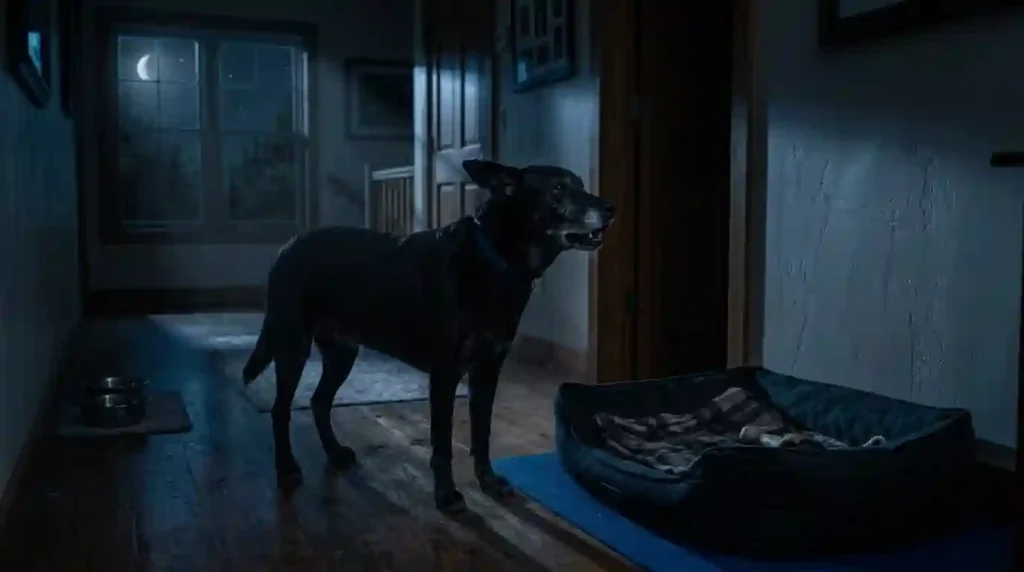
Nighttime barking is common after companion loss. During the day, there may be distractions: people moving around, walks, food, toys, outdoor sounds, and normal household activity. At night, the home becomes quiet. That silence can make the missing companion feel even more absent.
Your surviving dog may bark at night because they used to sleep near the other dog. They may be used to hearing breathing, movement, snoring, collar tags, or the soft sounds of another dog settling nearby. When those familiar cues disappear, the dog may feel vulnerable.
Some grieving dogs also bark at night because of:
Loss of Sleeping Security
If the companion dog was calm, confident, or protective, your remaining dog may have relied on them for emotional security. Without that presence, bedtime can feel unsafe.
Changes in Household Routine
Maybe feeding times changed. Maybe walks feel different. Maybe you are grieving and going to bed later or waking up during the night. Dogs notice these patterns.
Searching Behavior
Some dogs bark, pace, sniff, or walk from room to room as if looking for the dog that passed away. This may happen more often at night when the house is still.
Separation Distress
If your dog has become clingier since the loss, nighttime may trigger separation anxiety. Even being in another room from you can feel overwhelming.
Common Signs of Canine Grief After a Dog Dies
Barking is only one possible sign of grief. A dog mourning another dog may show emotional, physical, and behavioral changes. Some dogs become louder. Others become quieter. Some seek more attention, while others withdraw.
Common signs include:
Increased Barking, Whining, or Howling
A grieving dog may vocalize more than usual. This can sound like barking at doors, windows, empty rooms, outdoor noises, or even random spaces in the home.
Clinginess
Some dogs suddenly follow their owner everywhere. They may refuse to relax unless they are close to you. This is often a sign that they are looking for security.
Loss of Appetite
A dog may eat less, skip meals, or show less excitement around food. If appetite loss lasts more than a day or two, speak with your veterinarian.
Sleeping More or Sleeping Less
Some dogs sleep excessively after a loss. Others become restless, wake up often, or bark during the night.
Searching the House
Your dog may sniff the other dog’s bed, look around corners, wait near the door, or check favorite resting places.
Reduced Interest in Play
Toys, walks, training, and games may not feel as exciting. This can happen when a dog loses their main playmate.
More Reactivity
A dog that used to feel confident may now bark at sounds, guests, plastic bags, delivery drivers, other dogs, or things moving outside. For example, some dogs bark at unusual objects because they feel uncertain or startled. You may also find this related guide helpful: Why Does My Dog Bark at Plastic Bags Blowing in Wind.
The key is to look at the whole pattern. If the barking began soon after the companion dog passed away, grief and stress are likely part of the picture.
How Long Will a Dog Bark After Losing Another Dog?
There is no exact timeline. Some dogs settle within a few days. Others need several weeks or months to adjust. The intensity depends on the dog’s personality, age, health, bond with the deceased dog, routine, environment, and support from the family.
A dog may bark more during the first one to three weeks because everything feels unfamiliar. Over time, most dogs improve as they learn new routines. However, barking may continue if the dog develops separation anxiety, boredom, fear-based reactivity, or a habit of barking for attention.
It is important not to expect your dog to “get over it” quickly. Your dog is adjusting to a major social change. Be patient, but also be proactive. Comfort alone is helpful, but comfort plus structure is even better.
How to Comfort a Grieving Dog Without Reinforcing Anxiety
Many owners worry that comforting a barking dog will make the barking worse. The truth is more balanced. You should not ignore a distressed dog completely, but you also do not want to accidentally teach them that frantic barking is the only way to get support.
The goal is to offer calm reassurance before your dog becomes overwhelmed.
Keep a Predictable Routine
Routine is one of the most powerful tools for a grieving dog. Feed your dog at consistent times, walk at familiar times, and keep bedtime predictable. A stable schedule helps your dog understand that life is still safe.
Give Calm Attention
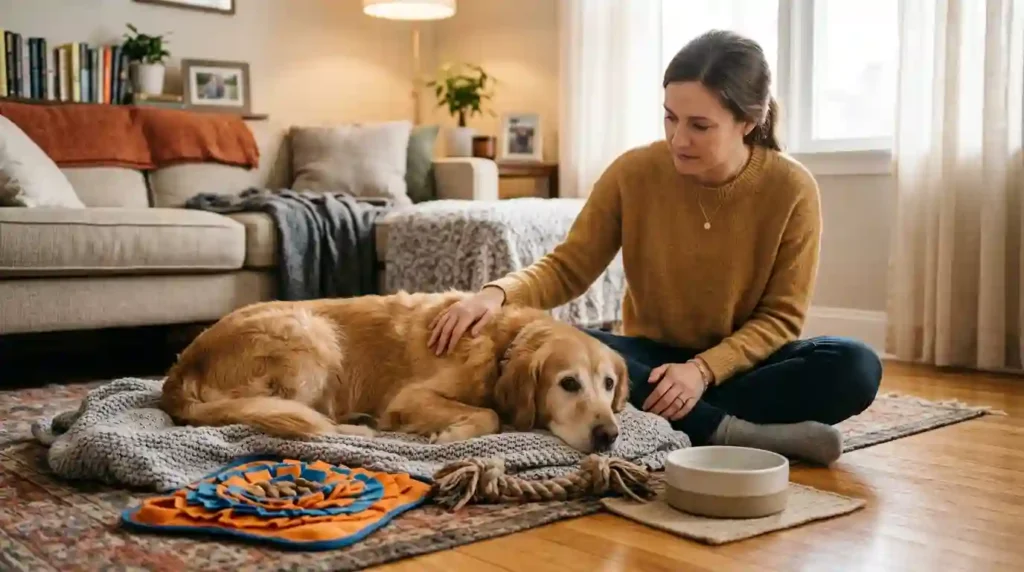
Sit with your dog, speak softly, pet them if they enjoy touch, and offer quiet companionship. Avoid becoming overly emotional every time they bark, because intense reactions can increase anxiety.
Create a Safe Resting Area
Set up a peaceful space with a comfortable bed, familiar blankets, water, and safe chew toys. Some dogs prefer the old shared sleeping area. Others do better with a new cozy spot that does not strongly remind them of the missing dog.
Use Scent Thoughtfully
Some dogs are comforted by a blanket or toy that smells like their companion dog. Others may become more restless. Watch your dog’s reaction. If the item causes pacing, crying, or repeated searching, remove it gently and try again later.
Increase Gentle Physical Activity
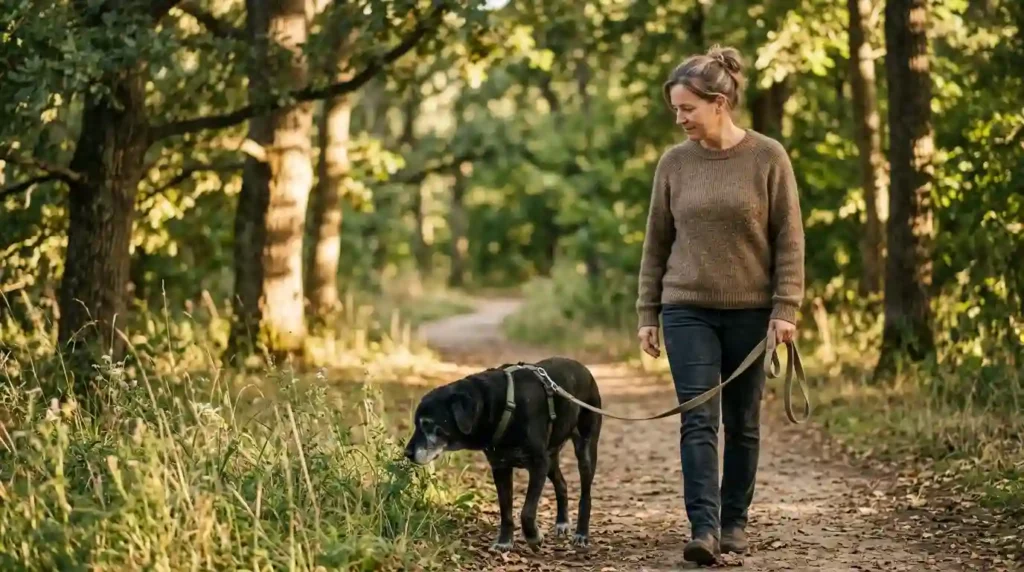
Walks, sniffing time, and slow exploration can reduce stress. Avoid forcing intense exercise if your dog seems low-energy, but do encourage movement.
Offer Mental Enrichment
Food puzzles, snuffle mats, treat searches, lick mats, and simple obedience games can redirect your dog’s mind. Mental stimulation gives your dog something positive to focus on.
Training Tips to Reduce Grief-Related Barking
Training a grieving dog is not about punishment. It is about helping them feel secure and teaching alternative behaviors. Barking often increases when a dog does not know what else to do with their stress.
Reward Quiet Moments
Do not wait until your dog is barking to give attention. Instead, reward calm behavior throughout the day. When your dog lies quietly, looks relaxed, or settles on their bed, calmly praise them or offer a small treat.
Teach a “Settle” Cue
Choose a bed or mat. Encourage your dog to go there with treats. Reward them for lying down. Over time, say “settle” as they relax. This gives your dog a predictable behavior to perform when they feel unsure.
Redirect Before Barking Escalates
If your dog starts scanning the room, pacing, or looking toward the door, redirect early. Ask for a simple cue like “sit,” “touch,” or “come.” Then reward. Interrupting early is easier than stopping full barking.
Avoid Yelling
Yelling often makes barking worse. Your dog may think you are joining in, or they may become more anxious. Use a calm voice and simple cues.
Use Background Sound
Soft music, white noise, or a fan can help some dogs at night. It reduces the contrast between silence and sudden sounds. This can be especially helpful for dogs who bark because the home feels too quiet without the companion dog.
Practice Short Alone-Time Exercises
If your dog has become clingy, practice tiny separations. Step away for a few seconds, return calmly, and reward quiet behavior. Slowly increase the time. Keep sessions easy and positive.
Add Confidence-Building Games
Simple training games can rebuild confidence. Try hand targeting, treat finding, basic obedience, gentle agility with cushions, or “find it” games in the yard.
The aim is not to stop your dog from grieving. The aim is to help your dog cope in healthier ways.
When Barking May Be Separation Anxiety
Sometimes, dog barking after losing a companion dog is more than grief. It may become separation anxiety, especially if the surviving dog was very bonded to the dog who passed away.
Signs that barking may be separation anxiety include:
Barking When Left Alone
If your dog barks, howls, or cries mostly when you leave the house, separation distress may be involved.
Destructive Behavior Near Doors or Windows
Scratching doors, chewing window frames, or trying to escape can suggest panic.
Pacing and Drooling
An anxious dog may pace, pant, drool, tremble, or refuse food when alone.
Over-Attachment
Your dog may follow you constantly, panic when you close a door, or become distressed when you prepare to leave.
House Soiling
A previously house-trained dog may have accidents due to stress or anxiety.
If you notice these signs, avoid punishing your dog. Separation anxiety is not stubbornness. It is emotional distress. A veterinarian or certified separation anxiety trainer can help create a behavior modification plan. In some cases, medication may be recommended alongside training.
Should You Get Another Dog Right Away?
Many owners wonder if getting a new dog will stop the barking. Sometimes another dog helps, but it is not a guaranteed solution. A new dog should never be used as a quick fix for grief-related barking.
Your dog may need time to adjust before welcoming a new companion. Some grieving dogs enjoy meeting friendly dogs soon after a loss. Others become stressed, defensive, or overwhelmed.
Before getting another dog, consider:
Your Dog’s Current Emotional State
If your dog is highly anxious, barking constantly, not eating, or sleeping poorly, adding a new dog may increase stress.
Your Own Grief
You also need time. A new dog is not a replacement for the one who passed away. It is a new relationship.
Compatibility
Age, energy level, temperament, size, play style, and confidence matter. A senior grieving dog may not enjoy a high-energy puppy.
Trial Meetings
If possible, arrange calm introductions with potential new dogs. Watch body language carefully. Loose posture, soft eyes, relaxed sniffing, and gentle interest are good signs. Stiffness, growling, hiding, or frantic barking means more caution is needed.
A new companion can be wonderful when the timing is right. But first, focus on helping your surviving dog feel stable.
When to Call a Veterinarian or Behaviorist
Most grief-related barking improves with time and support. However, some situations need professional help.
Contact your veterinarian if your dog:
Stops Eating
A skipped meal may happen, but refusing food for more than 24 hours can be concerning, especially for puppies, seniors, small breeds, or dogs with health conditions.
Seems Sick or Weak
Lethargy, vomiting, diarrhea, coughing, pain, or sudden behavior changes should be checked.
Barks Constantly
If barking is intense, repetitive, or disrupting sleep for days, your dog may need additional support.
Shows Panic When Alone
Destructive behavior, escape attempts, drooling, trembling, or nonstop howling can indicate separation anxiety.
Becomes Aggressive or Fearful
If your dog suddenly growls, snaps, hides, or reacts strongly to normal things, consult a professional.
Does Not Improve Over Time
If grief-related behavior stays the same or worsens after several weeks, a certified dog behavior consultant, veterinary behaviorist, or positive reinforcement trainer can help.
A veterinarian can also rule out pain, cognitive decline, hearing changes, hormonal issues, or other medical problems that may contribute to barking. This is especially important for senior dogs.
Practical Daily Plan for a Dog Barking After Companion Loss
Here is a simple daily plan that can help your dog feel more secure:
Morning
Start the day with a calm potty break and a short sniff walk. Let your dog explore at their own pace. Sniffing is relaxing and mentally enriching.
Breakfast
Feed at the usual time. If your dog has a low appetite, try making meals more engaging with a puzzle feeder or small hand-fed portions.
Midday
Offer a short training session. Practice easy cues like “sit,” “touch,” “down,” and “settle.” Keep it fun and brief.
Afternoon
Use enrichment. Try a snuffle mat, treat search, safe chew, or lick mat. These activities can reduce stress and boredom.
Evening
Take another gentle walk. Keep the pace relaxed. Avoid overstimulating environments if your dog is reactive.
Night
Create a calm bedtime routine. Use soft background noise, a comfortable sleeping area, and predictable cues. Reward quiet settling before your dog starts barking.
This structure gives your dog something they can depend on. Predictability is deeply comforting during grief.
Mistakes to Avoid When Your Dog Is Barking After a Loss
Do Not Punish Grief Barking
Punishment may suppress barking temporarily, but it can increase fear and confusion. Your dog needs guidance, not intimidation.
Do Not Ignore Medical Signs
Not all barking is emotional. Pain, hearing loss, cognitive dysfunction, and illness can increase vocalization.
Do Not Remove All Reminders Too Quickly
Some dogs find familiar items comforting. Remove items gradually and watch your dog’s response.
Do Not Force Social Interaction
A grieving dog may not want dog parks, daycare, visitors, or puppy playdates right away.
Do Not Rush a New Dog
A new dog can be a blessing, but poor timing can create more stress.
Do Not Reward Panic Accidentally
Comfort your dog calmly, but avoid rushing in with intense attention only after frantic barking. Reward calm moments often.
Conclusion
Dog barking after losing a companion dog is usually a sign that your dog is grieving, confused, anxious, or struggling with a changed routine. The barking may happen at night, near doors, around the old sleeping area, or when your dog is left alone. While this behavior can be stressful for owners, it is important to respond with patience and understanding.
Your dog has lost a familiar friend, social partner, and part of their daily world. The best way to help is to create stability: keep routines predictable, provide calm comfort, reward quiet behavior, offer enrichment, and watch for signs of separation anxiety or illness. Most dogs gradually adjust, but professional help is valuable if barking becomes severe, your dog stops eating, or anxiety continues to grow.
Grief takes time for both people and dogs. With gentle support, your surviving dog can begin to feel safe, connected, and peaceful again.
FAQs
1. Why is my dog barking after losing a companion dog?
Your dog may be barking because they are grieving, searching for the missing dog, feeling lonely, or reacting to changes in the household. Barking can also be a sign of anxiety or insecurity after the loss of a bonded companion.
2. Is it normal for a dog to bark more after another dog dies?
Yes, it can be normal. Some dogs vocalize more after losing a companion dog, while others become quiet or withdrawn. The change depends on your dog’s personality, bond with the other dog, and daily routine.
3. How long does grief barking last in dogs?
Grief barking may last a few days, several weeks, or longer. Many dogs improve as they adjust to a new routine. If barking worsens or continues for several weeks, consult a veterinarian or certified dog behavior professional.
4. Should I comfort my dog when they bark after losing another dog?
Yes, but comfort calmly. Use a soft voice, gentle presence, and predictable routines. Avoid dramatic reactions every time your dog barks. Also reward quiet, relaxed behavior throughout the day.
5. Can dogs understand that another dog has died?
Dogs may not understand death exactly like humans, but they do notice absence, scent changes, emotional shifts, and routine disruption. They can show grief-like behaviors after a companion dog disappears from their life.
6. Will getting another dog stop the barking?
Not always. A new dog may help some dogs, but it can overwhelm others. Wait until your surviving dog is more emotionally stable, and choose a compatible dog carefully.
7. Why does my dog bark at night after my other dog died?
Nighttime is quiet, and your dog may miss the familiar sounds, scent, and presence of the companion dog. They may also feel less secure sleeping alone.
8. When should I call a vet about grief-related barking?
Call a vet if your dog stops eating, seems sick, barks constantly, becomes aggressive, shows panic when alone, or does not improve over time. Medical issues and anxiety conditions should be ruled out.