

Summary
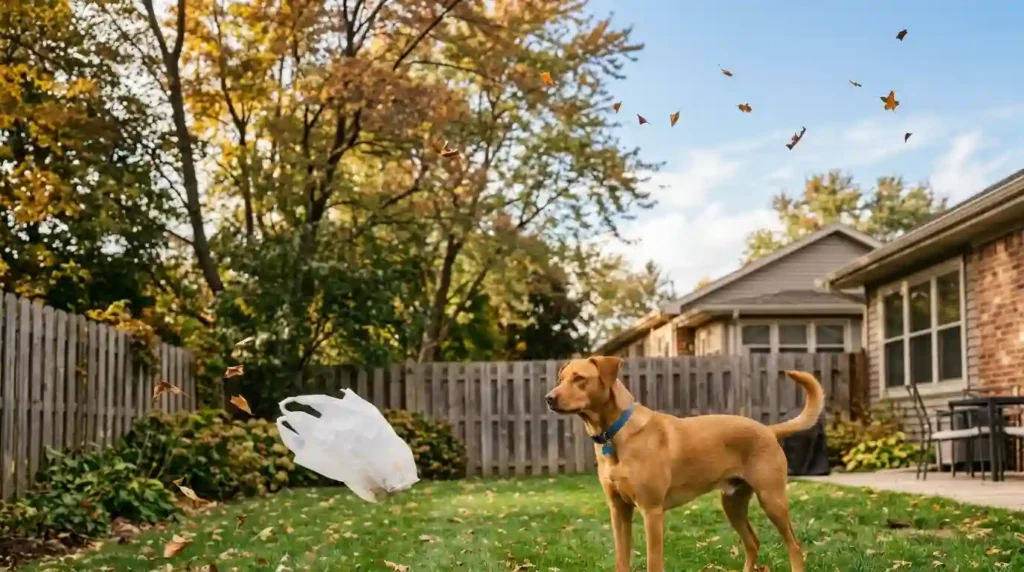
If your dog bark at plastic bags blowing in wind, it usually comes from fear, confusion, alert instincts, prey drive, or sensitivity to sudden movement and strange sounds. To a dog, a lightweight plastic bag fluttering across the yard may not look harmless. It moves unpredictably, rustles loudly, changes shape, and appears without warning. This can trigger barking because your dog is trying to warn you, scare the object away, investigate a possible threat, or cope with anxiety.
The good news is that this behavior can be improved with calm handling, positive reinforcement, desensitization, counterconditioning, and better environmental management. Understanding why your dog reacts is the first step toward helping them feel safe around blowing bags, leaves, tarps, umbrellas, trash, and other moving objects.
Table of Content
- Why Does My Dog Bark at Plastic Bags Blowing in Wind?
- Common Reasons a Dog Bark at Plastic Bags Blowing in Wind
- Is Barking at Plastic Bags Fear, Alerting, or Prey Drive?
- Why Plastic Bags Look So Strange to Dogs
- Body Language Signs to Watch For
- How to Stop Your Dog Barking at Plastic Bags
- Training Plan for Dogs Scared of Blowing Objects
- Mistakes That Can Make the Barking Worse
- When to Get Professional Help
- Conclusion
- FAQs
Common Reasons a Dog Bark at Plastic Bags Blowing in Wind
A dog barking at a plastic bag blowing in the wind may seem funny at first, but from your dog’s point of view, the situation can feel intense. Dogs are highly observant animals. They notice movement, sound, scent, distance, and changes in the environment much faster than many humans do. A plastic bag caught in the wind checks several “suspicious object” boxes at once.
It moves without a clear pattern. It makes a crinkling or rustling sound. It may suddenly rise, collapse, twist, or roll across the ground. It may even reflect light or appear larger for a second when filled with air. To your dog, that is not “just trash.” It may look like an unknown creature, a possible intruder, or a strange object entering their territory.
Barking is one of the ways dogs communicate. In this situation, barking may mean, “Stay away,” “What is that?” “I am worried,” “Look over here,” or “I need help understanding this.” The cause depends on your dog’s temperament, age, breed traits, past experiences, training history, and overall confidence.
Fear of Unfamiliar Objects
Many dogs bark at unfamiliar objects because they are unsure whether the object is safe. This is common in puppies, adolescent dogs, rescue dogs, under-socialized dogs, and naturally cautious breeds. A plastic bag blowing across a driveway can look unpredictable and threatening.
Fear-based barking often comes with a stiff body, tucked tail, backward weight shift, raised hackles, wide eyes, or repeated retreating and approaching. Your dog may bark, back away, then move forward again to investigate. This conflict shows they are curious but nervous.
Alert Barking and Territorial Instinct
Some dogs bark because they believe the plastic bag is entering their space. This is especially common when the bag blows near a fence, front yard, porch, gate, window, or driveway. Dogs who bark at delivery drivers, joggers, cyclists, birds, or squirrels may also bark at moving bags.
Alert barking is your dog’s way of saying, “Something is outside, and I need everyone to know.” This can be connected to watchdog instincts, boundary protection, or a habit of reacting to anything unusual near the home.
For related barking behavior, you can also read this guide on Dog Barking at People Jogging Past the House.
Startle Response
A sudden plastic bag can trigger a startle reflex. If your dog is relaxed in the yard and a bag suddenly scrapes along the pavement or flies past their face, barking may happen instantly. This does not always mean your dog has a serious fear problem. Sometimes, the bark is simply a quick reaction to being surprised.
However, if the dog keeps barking, lunging, hiding, or refusing to return to the area, the startle may have turned into a stronger fear association.
Sensitivity to Sound
Plastic bags make sharp, irregular sounds. The rustling, crackling, and scraping can bother dogs who are noise-sensitive. Some dogs are more reactive to high-pitched or sudden sounds, especially if they already dislike fireworks, thunder, vacuum cleaners, foil, trash bags, or construction noise.
For these dogs, the sound may be more upsetting than the sight of the bag. They may bark even before they clearly see it.
Prey Drive and Movement Triggers
Dogs are naturally drawn to movement. Herding breeds, terriers, hounds, sporting dogs, and high-energy working breeds may react strongly to objects that dart, roll, bounce, or flutter. A bag blowing in the wind can activate chase instincts because it moves like something alive.
This type of barking may look more excited than fearful. Your dog may lunge forward, chase the bag, pounce, paw at it, or grab it. Even if the behavior seems playful, plastic bags can be dangerous if chewed or swallowed, so supervision is important.
Is Barking at Plastic Bags Fear, Alerting, or Prey Drive?
To understand the behavior, watch what your dog does before, during, and after barking. The same bark can have different meanings depending on body language.
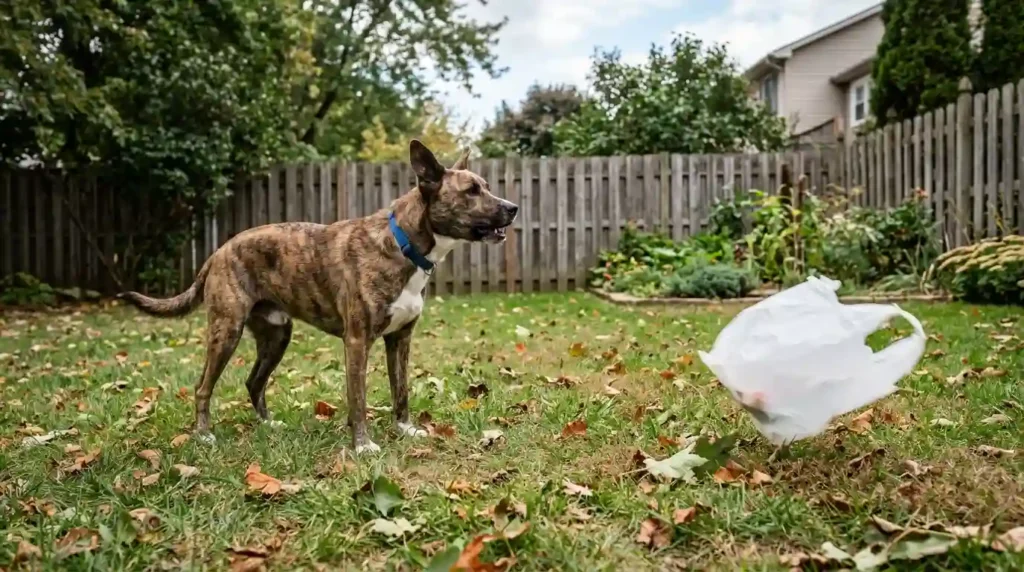
A fearful dog usually tries to create distance. They may bark while backing up, hide behind you, lower their body, tuck their tail, or avoid looking directly at the bag. A territorial dog may run toward the fence or window, bark repeatedly, and appear focused on driving the object away. A dog with prey-drive excitement may chase, bounce, grab, or stalk the bag.
Some dogs show a mix of all three. They may be afraid at first, then become excited when the bag moves away. Or they may bark territorially from behind a fence but act nervous when the bag is close.
Context Matters
Ask yourself where the barking happens. Does your dog only bark at plastic bags from inside the house? Do they bark more at night? Does wind make the behavior worse? Do they react to other floating objects like balloons, tarps, flags, umbrellas, or leaves?
If your dog barks mostly from behind a window or fence, territorial alerting may be part of the issue. If they bark on walks when a bag appears suddenly, a fear or startle response may be stronger. If they chase it like a toy, movement sensitivity and prey drive may be involved.
Past Experiences Can Shape the Reaction
A dog who once got tangled in a plastic bag, heard a loud trash bag snap open, or was startled by wind-blown debris may remember that event. Dogs learn through association. One scary experience can make a harmless object feel dangerous later.
This is why forcing a dog to “face the bag” can backfire. Instead of learning that the bag is safe, the dog may learn that plastic bags predict pressure, panic, or loss of control.
Why Plastic Bags Look So Strange to Dogs
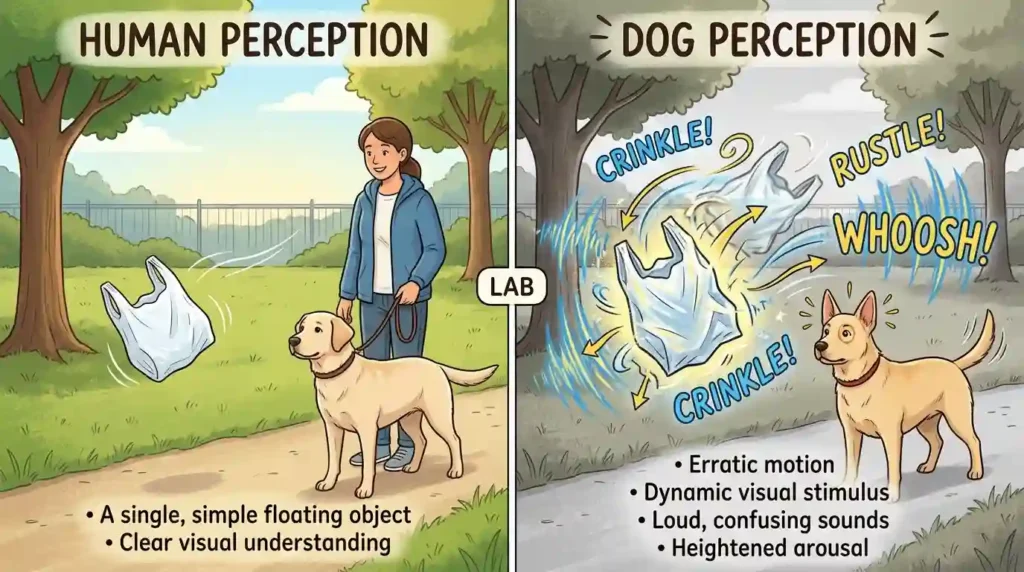
Dogs do not experience the world exactly as humans do. They rely heavily on smell, hearing, movement detection, and environmental patterns. A plastic bag blowing in the wind is confusing because it does not behave like a normal object.
It has no clear scent identity from a distance. It may smell like food, trash, chemicals, another person, or the environment. It changes shape constantly. It moves even though it has no legs. It makes noise without warning. It may come closer, then fly away, then suddenly return.
For a dog, that combination can be suspicious.
Unpredictable Movement
Predictable movement is easier for dogs to process. A person walking on a sidewalk has a pattern. A car follows the road. A squirrel runs in a recognizable way. But a plastic bag moves randomly. It may float upward, collapse, spin, drag, or slap against a fence.
Unpredictable movement often triggers canine reactivity because the dog cannot easily decide what will happen next.
Strange Shape and Texture
A plastic bag can look like a small animal one moment and a flat sheet the next. When the wind fills it, it may puff up and appear larger. When it catches on a bush, it may flap like wings. These shape changes can confuse dogs and activate alarm barking.
Wind Makes Everything More Intense
Windy weather often increases barking triggers. Wind carries scents differently, moves objects around, creates background noise, and makes the environment feel less predictable. Dogs may become more alert on windy days because the world around them is constantly changing.
Body Language Signs to Watch For
Understanding your dog’s body language helps you choose the right response. Barking alone does not tell the whole story.
Signs Your Dog Is Scared
A scared dog may show a tucked tail, crouched posture, ears pinned back, lip licking, yawning, trembling, whale eye, pacing, hiding, or trying to move away. They may bark in short bursts while keeping distance from the plastic bag.
If your dog is scared, comfort and distance are more helpful than correction. Fear should not be punished because punishment can increase stress and make the trigger feel even worse.
Signs Your Dog Is Alert or Territorial
An alert dog may stand tall, lean forward, raise their tail, bark repeatedly, run along the fence, or keep staring at the bag. They may look confident but intense. They may also check back at you as if asking whether you noticed the “intruder.”
In this case, teaching a calm “thank you,” recall, or “leave it” cue can help redirect the barking before it escalates.
Signs Your Dog Wants to Chase
A chase-motivated dog may crouch, stalk, bounce forward, pounce, wag stiffly, or try to grab the bag. They may be excited rather than afraid. However, chasing plastic is still risky because the dog may swallow pieces or become more reactive to moving objects over time.
How to Stop Your Dog Barking at Plastic Bags
The goal is not to punish the bark. The goal is to change your dog’s emotional response and teach better behavior. If your dog learns that plastic bags predict calm rewards, safe distance, and guidance from you, the barking usually decreases.
The American Veterinary Society of Animal Behavior supports reward-based behavior modification and humane training methods, which makes it a useful authority for owners dealing with fear, reactivity, and barking issues. You can explore their public behavior resources through the American Veterinary Society of Animal Behavior.
Step 1: Create Distance
Distance is your best training tool. If your dog is barking intensely, they are probably too close to the trigger. Move farther away until your dog can notice the bag without exploding into barking.
For example, if your dog barks at a bag near the fence, call them back toward the house. If they bark on a walk, calmly cross the street or turn around. Distance lowers emotional pressure and helps the dog think.
Step 2: Reward Calm Looking
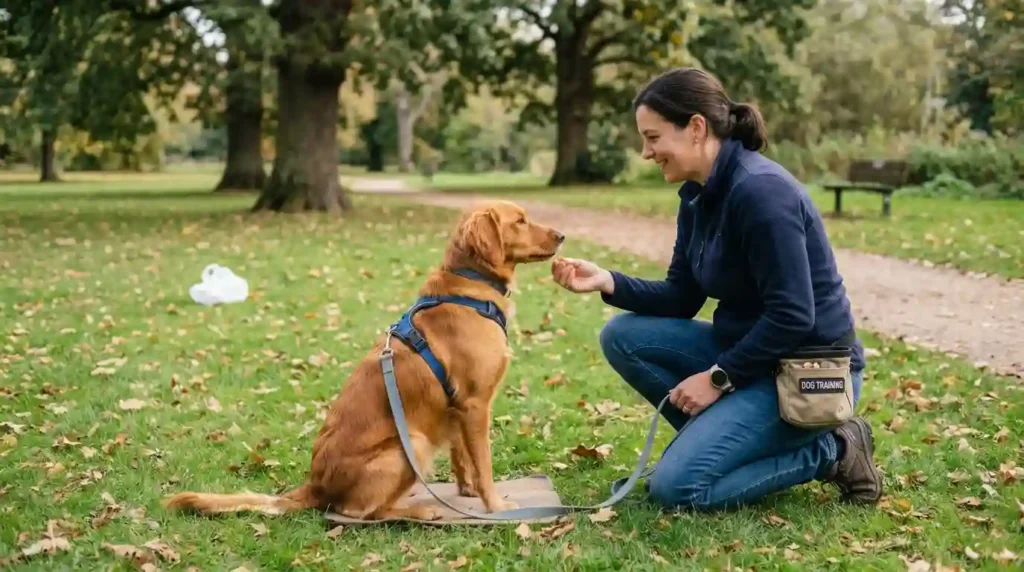
When your dog sees the plastic bag and stays quiet for even one second, mark the moment with a word like “yes” and give a treat. You are teaching your dog that looking calmly at the strange object earns a reward.
This technique builds a new association: plastic bag equals good things. Over time, your dog may look at the bag and then look back at you instead of barking.
Step 3: Use Counterconditioning
Counterconditioning means changing how your dog feels about the trigger. Instead of “plastic bag equals danger,” you want “plastic bag equals chicken, praise, and safety.”
Start with the bag far away or barely moving. Feed high-value treats when your dog notices it. Stop feeding when the bag disappears. Repeat in short sessions.
Step 4: Add Desensitization
Desensitization means gradually exposing your dog to the trigger at a level they can handle. Do not start with a bag flying wildly in strong wind. Start with a still plastic bag on the ground at a distance. Then practice with a bag that moves slightly. Later, practice with more movement.
Progress slowly. If your dog barks, lunges, or panics, the session is too hard.
Step 5: Teach an Alternative Behavior
Give your dog something else to do when they see a blowing bag. Useful cues include:
“Look at me”
“Touch”
“Come”
“Leave it”
“Find it”
“Let’s go”
“Go to mat”
The best cue depends on the situation. On walks, “let’s go” can help your dog move away calmly. In the yard, recall may work better. Indoors, sending your dog to a mat can reduce window barking.
Image Prompt Placement Note
Training Plan for Dogs Scared of Blowing Objects
A simple training plan can help your dog become more confident around plastic bags and other wind-blown objects.
Day 1 to 3: Still Bag at a Distance
Place a clean plastic bag on the ground far away. Let your dog notice it from a comfortable distance. Reward calm behavior. Keep sessions short, around three to five minutes.
Do not drag your dog toward the bag. Let them choose to look, sniff, or move away.
Day 4 to 7: Slight Movement
Tie the bag loosely to a chair, fence, or object so it moves gently. Keep your dog far enough away to stay calm. Reward quiet observation, checking in with you, sniffing the ground, or disengaging.
If the dog barks, increase distance or reduce movement.
Week 2: Controlled Wind-Like Movement
Have another person gently move the bag while your dog watches from a safe distance. Keep the movement slow and predictable. Continue rewarding calm behavior.
You can also practice with similar items such as paper bags, light fabric, leaves, small flags, or empty trash bags.
Week 3 and Beyond: Real-Life Practice
Practice on walks, in the yard, near trash day, or when the wind moves objects outside. Keep treats ready when your dog notices a blowing bag, reward before barking starts. If barking starts, calmly create distance and try again later.
Training is not about perfection. It is about helping your dog recover faster and react less intensely over time.
Mistakes That Can Make the Barking Worse
Some common reactions can accidentally increase barking or fear.
Yelling at Your Dog
If you yell while your dog barks, your dog may think you are barking too. This can increase excitement and confirm that the situation is dangerous. A calm voice works better.
Forcing the Dog to Approach
Dragging your dog toward the plastic bag can make fear worse. Confidence grows when the dog has choice and control. Let your dog investigate only when they are ready.
Letting the Dog Rehearse the Barking
If your dog barks at blowing bags every day from the window or fence, the behavior becomes stronger. Use curtains, window film, supervised yard time, recall practice, or indoor enrichment to reduce rehearsal.
Using Punishment-Based Tools
Leash corrections, shock collars, prong collars, or harsh scolding may stop barking temporarily, but they can also increase anxiety. If the dog already thinks the bag is scary, pain, or intimidation may confirm that scary things happen when plastic bags appear.
Ignoring the Underlying Emotion
Barking is a symptom. The real issue may be fear, overstimulation, frustration, lack of confidence, or territorial reactivity. Addressing the emotion gives better long-term results.
Safety Tips Around Plastic Bags
Plastic bags can be dangerous if your dog grabs, chews, or swallows them. They can cause choking, intestinal blockage, or suffocation risk. Always remove loose bags from the yard when possible.
Keep trash secured. Avoid letting your dog chase bags near roads or driveways. During windy weather, check fences, patios, and walking routes for loose debris.
If your dog picks up a plastic bag, trade it for a treat or toy instead of chasing them. Chasing may turn the bag into a more exciting prize.
When to Get Professional Help
Occasional barking at a blowing bag is usually not serious. But professional help is wise if your dog panics, lunges aggressively, redirects onto people or other pets, refuses walks, barks at many everyday objects, or seems anxious in multiple situations.
Start with a veterinarian if the behavior appears suddenly, especially in an older dog. Pain, vision changes, hearing changes, cognitive decline, thyroid issues, or other medical problems can affect behavior.
For training support, look for a certified professional dog trainer, certified behavior consultant, or veterinary behaviorist who uses reward-based methods. A good professional will help you create a safe plan without flooding or forcing your dog.
Conclusion
When your dog barks at plastic bags blowing in the wind, they are not being silly or stubborn. They are responding to something that looks, sounds, smells, and moves in a strange way. For some dogs, the reaction is fear. For others, it is alert barking, prey drive, startle response, or a mix of several instincts.
The best approach is calm, reward-based training. Create distance, reward quiet observation, use counterconditioning, and slowly build your dog’s confidence around moving objects. Avoid yelling, forcing, or punishing the behavior, because those methods can make fear and reactivity worse.
With patience and consistent practice, your dog can learn that blowing plastic bags is not a threat. Instead of barking, they can learn to look at you, move away calmly, or ignore the object altogether.
FAQs
Why does my dog bark at plastic bags blowing in wind?
Your dog may bark because the bag moves unpredictably, makes strange rustling sounds, changes shape, and appears suddenly. This can trigger fear, alert barking, prey drive, or a startle response.
Is my dog scared of plastic bags?
Your dog may be scared if they bark while backing away, tuck their tail, lower their body, hide, tremble, or refuse to approach. Fear-based barking should be handled with patience, distance, and positive reinforcement.
Should I let my dog investigate the plastic bag?
You can let your dog investigate only if it is safe and your dog chooses to approach calmly. Do not force them. Keep the bag clean, supervise closely, and prevent chewing or swallowing.
Can plastic bags be dangerous for dogs?
Yes. Plastic bags can be choking hazards and may cause digestive blockage if swallowed. They can also pose suffocation risks. Keep loose bags away from dogs whenever possible.
How do I train my dog not to bark at blowing bags?
Start at a distance where your dog can see the bag without barking. Reward calm behavior, gradually introduce small movements, and teach cues like “look at me,” “leave it,” or “let’s go.”
Why does my dog bark at bags only when it is windy?
Wind makes bags move, flap, rustle, and change direction. It also carries scents and sounds differently, which can make dogs more alert and reactive.
Will my puppy grow out of barking at plastic bags?
Some puppies become more confident with age and socialization, but others need training. Gentle exposure, treats, calm handling, and positive experiences can help prevent the fear from becoming a long-term habit.
Should I punish my dog for barking at a plastic bag?
No. Punishment can increase fear and anxiety. It is better to create distance, reward calm behavior, and teach your dog what to do instead.