

Summary
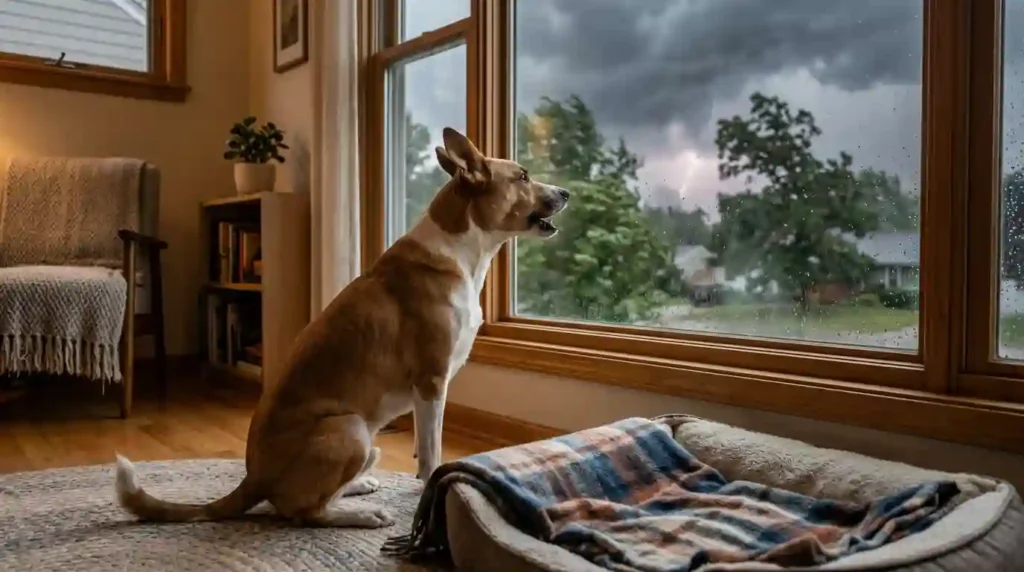
Why does my dog bark right before it rains is a common question among dog owners who notice their pet reacting before the weather changes. Dogs may bark before rain because they can detect subtle shifts in barometric pressure, distant thunder, static electricity, humidity, scent changes, and changes in household routines. In many cases, barking is not random misbehavior—it is communication. Your dog may be alerting you, expressing anxiety, responding to discomfort, or reacting to environmental signals humans often miss.
Table of Content
- Why Does My Dog Bark Right Before It Rains? The Main Reasons
- How Dogs Sense Weather Changes Before Humans
- Is Barking Before Rain Normal Dog Behavior?
- Signs Your Dog Is Anxious About Rain or Storms
- Why Does My Dog Bark Right Before It Rains and How Can I Help?
- Training Tips to Reduce Rain-Related Barking
- When to Talk to a Veterinarian or Dog Behaviorist
- Conclusion
- FAQs
Why Does My Dog Bark Right Before It Rains?
Dogs are incredibly sensitive animals. Long before we hear thunder, see dark clouds, or feel the first raindrop, many dogs are already aware that something in the environment has changed. Some pace near the door. Some hide under furniture. Some whine, pant, tremble, or become clingy. Others bark loudly right before rain begins.
So, why does your dog bark right before it rains?
The answer usually involves a mix of sensory awareness, instinct, anxiety, and learned behavior. Your dog may be reacting to changes in air pressure, distant thunder, wind movement, static electricity, humidity, unfamiliar smells, or even your own behavior as you prepare for bad weather. For some dogs, barking before rain is a warning signal. For others, it is a stress response.
Understanding the reason behind this barking is important because it helps you respond with patience instead of frustration. Rain-related barking is not always a discipline problem. Often, it is your dog’s way of saying, “Something is coming, and I do not feel comfortable.”
Why Does My Dog Bark Right Before It Rains? The Main Reasons
If your dog starts barking minutes or even hours before rain, they may be responding to environmental changes you cannot easily notice. Dogs experience the world through scent, sound, touch, and body language more intensely than humans. Rain changes all of those things.
1. Your Dog Can Sense Changes in Barometric Pressure
Barometric pressure, also called atmospheric pressure, often drops before rain or storms. Many dogs appear sensitive to this shift. While humans may only notice a weather change when clouds gather, dogs may feel pressure changes through their body.
Some dogs become restless before rain because the air feels different. This can lead to barking, pacing, whining, or seeking attention. Your dog may not understand what the pressure change means, but they can feel that something unusual is happening.
This is one reason dogs are often described as having a “sixth sense” about weather. It is not magic. It is heightened sensory awareness.
2. Dogs Hear Distant Thunder Before Humans Do
A dog’s hearing is much more sensitive than human hearing. Your dog may hear low rumbles of thunder from far away before you notice any sound at all. Even if the storm is miles away, your dog may detect the vibration or distant noise and respond by barking.
For some dogs, thunder is scary because it is loud, unpredictable, and impossible for them to identify. Dogs do not understand weather reports or storm patterns. They only know that a deep, sudden sound is approaching.
The American Kennel Club explains that dogs may react to thunderstorm anxiety because of loud sounds, changes in air pressure, and possibly static electricity. You can read more from this authoritative resource here: American Kennel Club guide on thunderstorm anxiety in dogs.
3. Static Electricity May Make Your Dog Uncomfortable
Before and during storms, static electricity can build up in the air. Some dogs may feel this as an unpleasant sensation on their coat, skin, paws, nose, or whiskers. This may explain why certain dogs hide in bathrooms, bathtubs, basements, or other grounded areas when storms approach.
If your dog barks before rain and then runs to a bathroom, tile floor, or closet, they may be looking for relief from static discomfort. Barking may be their way of reacting to a physical sensation they cannot escape or explain.
4. Rain Changes the Way the World Smells
Dogs rely heavily on scent. Rain changes scent patterns in the environment. Moisture can intensify smells in soil, grass, pavement, plants, animals, and nearby streets. Wind can also carry new odors from a distance.
Your dog may smell rain before you see it. They may also smell animals moving to shelter, damp earth, ozone, or other storm-related scents. These new smells can trigger alert barking, especially in dogs with strong guarding, herding, hunting, or territorial instincts.
To your dog, the world may suddenly smell more active and unpredictable. Barking may be their way of investigating or announcing the change.
5. Wind and Movement Can Trigger Alert Barking
Before rain, wind often increases. Leaves move, branches shake, doors rattle, windows vibrate, and outdoor objects may shift. A dog that is already sensitive to movement may interpret these changes as something worth alerting you about.
This is especially common in watchdog breeds or dogs that bark at outdoor activity. The sound of a trash can moving, patio furniture scraping, or rain hitting the roof may be enough to trigger barking.
Your dog might not be barking at the rain itself. They may be barking at the sudden environmental activity that happens before rain arrives.
6. Your Dog May Have Storm Anxiety
Some dogs bark before rain because they are anxious. Storm anxiety can include fear of thunder, wind, lightning, pressure changes, or the general atmosphere before bad weather. Barking is one possible symptom, along with panting, drooling, trembling, pacing, hiding, destructive behavior, and clinginess.
If your dog only barks once or twice before rain, they may simply be alert. But if the barking is intense, repetitive, or paired with panic-like behavior, anxiety may be the real cause.
Storm anxiety can become worse over time if the dog repeatedly experiences fear without comfort, training, or support.
7. Your Dog Has Learned That Barking Gets a Response
Dogs are excellent at learning patterns. If your dog barks before rain and you immediately comfort them, open the door, give treats, talk excitedly, or change your routine, they may learn that barking gets attention.
This does not mean your dog is being manipulative in a negative way. It simply means barking has become useful communication.
For example, your dog may bark before rain because they know you will let them outside before the weather gets bad. Or they may bark because you usually close windows, move around the house, or talk to them when rain is coming. Over time, the barking becomes part of the routine.
How Dogs Sense Weather Changes Before Humans
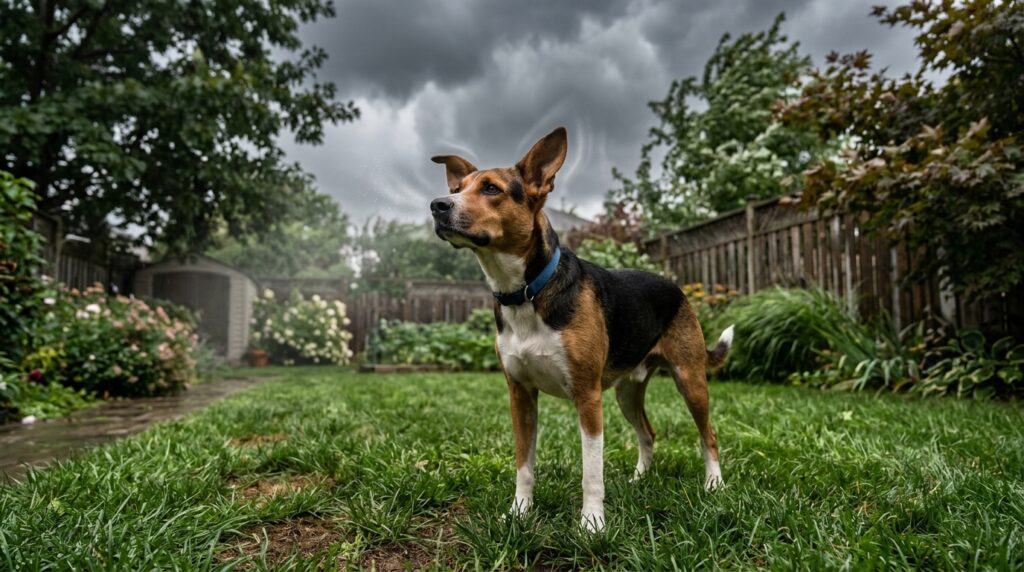
Dogs do not understand meteorology, but their bodies are built to notice environmental details. Their sense of smell, hearing, and sensitivity to movement make them excellent observers of weather changes.
Heightened Hearing
Dogs can detect sounds at frequencies and distances humans cannot. This means distant thunder, wind, rain hitting rooftops, and pressure-related noises may reach your dog before you hear anything.
Powerful Sense of Smell
A dog’s nose is one of its strongest tools. Before rain, moisture and wind can lift and spread scents. Dogs may notice these odor changes long before humans sense a storm.
Sensitivity to Vibration
Some dogs may feel vibration through the floor, ground, or air. Distant thunder can create subtle vibrations that alert a sensitive dog before the storm arrives.
Awareness of Human Routine
Dogs also observe people closely. If you look outside, close windows, bring laundry in, check the weather, or move differently before rain, your dog may associate those actions with storms. This can trigger barking even before the rain starts.
Is Barking Before Rain Normal Dog Behavior?
In many cases, yes. Barking before rain can be normal dog behavior, especially if your dog is alert, sensitive, or slightly nervous. Dogs bark to communicate. They may be saying:
“I hear something.”
“I smell something different.”
“I feel nervous.”
“Come check this out.”
“I want to go outside before it rains.”
“I need comfort.”
However, normal does not always mean harmless. If your dog’s barking becomes excessive, stressful, or disruptive, it is worth addressing.
When Barking Is Usually Not a Problem
Rain-related barking may not be a serious issue if your dog barks briefly, settles quickly, responds to reassurance, and does not show signs of panic. Some dogs simply vocalize when they notice changes.
When Barking May Signal Anxiety
Barking may be anxiety-related if your dog cannot calm down, hides, shakes, pants heavily, drools, scratches doors, tries to escape, destroys objects, or refuses food during storms.
If the behavior is intense, your dog may need more than basic training. They may need a behavior plan, environmental support, or veterinary guidance.
Signs Your Dog Is Anxious About Rain or Storms

Not all barking is the same. Some dogs bark confidently to alert their owner. Others bark because they are scared. Look at your dog’s whole body to understand what they are feeling.
Common Signs of Rain or Storm Anxiety
A dog that is anxious before rain may show several signs, including pacing, whining, panting, yawning, lip licking, drooling, trembling, hiding, clinginess, barking, destructive chewing, scratching at doors, or trying to escape.
Some dogs become restless before the storm and then panic once thunder begins. Others start reacting long before rain because they sense early weather changes.
Body Language to Watch
Look for tucked tail, pinned-back ears, wide eyes, lowered posture, tense muscles, repetitive movement, or refusal to settle. These signals suggest your dog is uncomfortable rather than simply alert.
Understanding body language helps you respond appropriately. A scared dog needs calm support, not punishment.
Why Does My Dog Bark Right Before It Rains and How Can I Help?
If you are wondering, “Why does my dog bark right before it rains and what should I do about it?” the best approach is to identify the trigger and create a calming plan.
You may not be able to stop your dog from sensing rain, but you can help them feel safer when weather changes.
Create a Safe Space

Give your dog a comfortable place to retreat before and during rain. This may be a crate, bedroom, closet, bathroom, laundry room, or quiet corner. The space should feel calm, familiar, and protected.
Add soft bedding, water, a favorite toy, and possibly a blanket that carries your scent. If your dog likes crates, keep the crate open and inviting. Never force your dog into a crate as punishment during a storm.
Use Calming Background Noise
White noise, soft music, a fan, or a television at low volume can help mask distant thunder and rain sounds. Some dogs respond well to classical music or calming pet playlists.
The goal is not to overstimulate your dog. The goal is to create a steady sound environment that reduces sudden noise contrast.
Close Curtains and Reduce Visual Triggers
Lightning, moving branches, and shifting shadows can make dogs more alert. Closing curtains or blinds may reduce visual stimulation. If your dog barks at windows before rain, block access to the window until they settle.
Offer a Chew, Lick Mat, or Puzzle Toy
Chewing and licking can be soothing behaviors for dogs. A safe chew toy, stuffed food toy, or lick mat may redirect your dog’s focus before barking escalates.
Use high-value rewards only if your dog is calm enough to engage. If they are too anxious to eat, focus on comfort and safety first.
Stay Calm Yourself
Dogs read human emotions. If you become tense, frustrated, or loud, your dog may become more anxious. Speak calmly, move slowly, and avoid scolding.

Comforting a scared dog does not “reward fear” in the way many people once believed. Calm support can help your dog feel safer.
Training Tips to Reduce Rain-Related Barking
Training can help if your dog’s barking is mild to moderate. The goal is not to punish barking. The goal is to teach your dog a calmer response when rain is coming.
Teach a “Quiet” Cue
Start when your dog is not anxious. When they bark once or twice, calmly say “quiet.” The moment they stop, reward them with a treat or praise. Practice in low-stress situations before using the cue during weather changes.
Do not yell “quiet.” Yelling can sound like barking to your dog and may increase excitement.
Reward Calm Behavior Before Rain Starts
If you notice your dog becoming alert before rain, reward calm behavior early. Give a treat when your dog looks at you, lies down, goes to their bed, or stays relaxed.
This teaches your dog that calm behavior is valuable when the weather changes.
Desensitize Your Dog to Rain and Thunder Sounds
For some dogs, low-volume recordings of rain or thunder can help with gradual desensitization. Play the sound quietly while your dog enjoys treats, play, or relaxation. Over time, increase the volume only if your dog remains calm.
Never blast thunder sounds to “get them used to it.” Flooding a fearful dog with scary sounds can make anxiety worse.
Build a Predictable Storm Routine
Dogs feel safer with routine. When rain is coming, follow the same calm steps each time: close curtains, turn on soft background noise, guide your dog to their safe space, offer a chew, and reward calm behavior.
A predictable routine helps your dog understand what to do instead of barking.
Avoid Punishment
Punishing a dog for barking before rain can increase fear. If your dog is barking because they are anxious, punishment confirms that storms are dangerous and unpredictable.
Instead, focus on management, positive reinforcement, and emotional safety.
Other Barking Triggers That May Look Similar
Sometimes rain is not the only issue. Dogs that bark before rain may also bark at guests, children, unfamiliar sounds, or household changes. If your dog reacts strongly to visitors, you may find this related guide helpful: Dog Barking When Children Visit the Home.
Some dogs also bark differently depending on hearing ability, age, confidence, and communication style. For more insight into how hearing affects vocal behavior, read: Why Deaf Dogs Bark Differently Than Hearing Dogs.
When to Talk to a Veterinarian or Dog Behaviorist
If your dog’s barking before rain is severe, sudden, or paired with panic, it is a good idea to speak with a veterinarian. Medical issues, pain, cognitive changes, hearing changes, and anxiety disorders can all affect barking.
Contact a Vet If You Notice Sudden Behavior Changes
If your dog never reacted to rain before but suddenly starts barking, trembling, hiding, or acting distressed, a health check is wise. Pain, aging, sensory decline, or neurological issues can make dogs more sensitive to environmental changes.
Seek Professional Help for Severe Storm Phobia
A certified dog trainer, veterinary behaviorist, or qualified canine behavior consultant can help create a behavior modification plan. In some cases, a veterinarian may recommend anxiety medication for predictable storm events.
Medication is not a failure. For dogs with serious storm phobia, it can reduce panic enough for training and comfort strategies to work.
Conclusion
Your dog may bark right before it rains because they notice weather changes earlier than you do. They may hear distant thunder, feel changes in barometric pressure, smell moisture in the air, sense static electricity, or react to wind and movement outside. In some cases, the barking is simple alert behavior. In others, it is a sign of rain anxiety or storm phobia.
The most important thing is to observe your dog’s full behavior. A few alert barks are usually normal. But barking combined with trembling, hiding, panting, pacing, or destructive behavior may mean your dog needs extra support.
Create a safe space, use calming background noise, reward relaxed behavior, and avoid punishment. With patience, training, and the right environment, many dogs can learn to feel safer before and during rainy weather.
FAQs
1. Why does my dog bark before it starts raining?
Your dog may bark before rain because they sense changes in air pressure, humidity, scent, wind, or distant thunder. Dogs often notice these changes before humans do.
2. Can dogs really sense rain before humans?
Yes, many dogs appear to sense rain before humans because of their strong hearing, powerful sense of smell, and sensitivity to environmental changes.
3. Is my dog scared when they bark before rain?
Not always. Some dogs are simply alerting you. However, if your dog also trembles, hides, pants, paces, or becomes clingy, fear or anxiety may be involved.
4. Should I ignore my dog when they bark before rain?
You should not punish or completely ignore a scared dog. Instead, calmly redirect them, reward quiet behavior, and provide a safe, comfortable place to settle.
5. Why does my dog hide after barking before rain?
Your dog may bark to alert you first, then hide because they feel anxious or overwhelmed. Hiding in a closet, crate, bathroom, or under furniture is common during storm stress.
6. Can barometric pressure affect dogs?
Many dog owners and experts believe dogs can react to changes in barometric pressure before storms. This may cause restlessness, barking, or anxious behavior.
7. How do I calm my dog before it rains?
Create a safe space, close curtains, use white noise or soft music, offer a chew toy or lick mat, and stay calm. Reward relaxed behavior before anxiety escalates.
8. When should I call a vet about rain-related barking?
Call a veterinarian if your dog’s barking is sudden, extreme, or paired with panic, destruction, escape attempts, loss of appetite, or major behavior changes.