


Summary
If you are wondering what’s a good dog food for pitbulls, start with a complete and balanced, life-stage-appropriate recipe that supplies high-quality animal protein, controlled calories, digestible carbohydrates, healthy fats, and essential vitamins and minerals. The best formula is not necessarily the one with the highest protein percentage or the most expensive ingredients. It is the food that meets AAFCO nutritional guidelines, suits your Pit Bull’s age and activity level, maintains lean muscle without unwanted weight gain, and agrees with the dog’s skin and digestive system.
Most healthy adult Pit Bulls do well with a meat-first dry, wet, fresh, or gently cooked food containing moderate-to-high protein. Puppies need growth-formulated puppy food, while older dogs may benefit from senior dog food with controlled calories and joint support. Because Pit Bulls can experience food sensitivity, itchy skin, joint trouble, and obesity, the right feeding amount matters just as much as the food itself.
Table of Contents
- What’s a Good Dog Food for Pitbulls?
- Understanding Pit Bull Nutrition
- What to Feed Pitbulls at Every Life Stage
- Dry, Wet, Fresh, or Raw Food
- What’s a Good Dog Food for Pitbulls With Sensitive Stomachs?
- Common Health Concerns
- How Much to Feed a Pit Bull
- Amazon Product Suggestions
- Ingredients to Look For and Avoid
- How to Change Dog Food Safely
- Conclusion
- Frequently Asked Questions
What’s a Good Dog Food for Pitbulls? The Short Answer
A good Pit Bull food should meet five basic requirements:
- It carries a statement showing that it is complete and balanced for the dog’s life stage.
- It provides digestible, high-quality protein from clearly identified sources.
- Its calorie density and feeding directions fit the dog’s body condition and activity level.
- It includes enough fat for energy and skin health without encouraging obesity.
- It does not repeatedly cause diarrhea, vomiting, itching, ear trouble, or other signs of food intolerance.
“Pit bull” is an umbrella term rather than one single breed. It can describe the American Pit Bull Terrier, American Staffordshire Terrier, Staffordshire Bull Terrier, American Bully, and mixed dogs with similar physical traits. These dogs can differ considerably in height, weight, metabolism, and energy level. A compact Staffordshire Bull Terrier and a large American Bully should not automatically receive the same feeding amount.
Although this bully breed group is known for a muscular build, that does not mean every dog needs an extremely high-protein diet. A healthy family dog may thrive on a moderate-protein diet made from high-quality ingredients. A very active working or sporting dog may need more protein, fat, and calories. A veterinarian can help account for age, exercise, health history, and body condition.
Nutrition is also connected to routine. Consistent mealtimes can support digestion, training, and calm household habits. For broader guidance on routines and canine conduct, visit Dog Behavior.
Understanding Pit Bull Nutrition
Start With Nutritional Adequacy
The front of a dog food bag is advertising; the nutritional adequacy statement is evidence that the formula is intended to serve as a complete diet. Look for wording showing that the product is complete and balanced for maintenance, growth, or all life stages.
The official AAFCO guide to selecting the right pet food explains why owners should match food to the animal’s species, life stage, and condition while following label feeding directions.
“Complete” means the food supplies all required nutrients. “Balanced” means those nutrients are present in appropriate ratios. Treats, toppers, and supplements generally do not carry the same nutritional adequacy and should not replace a balanced meal.
Protein for Muscle Development
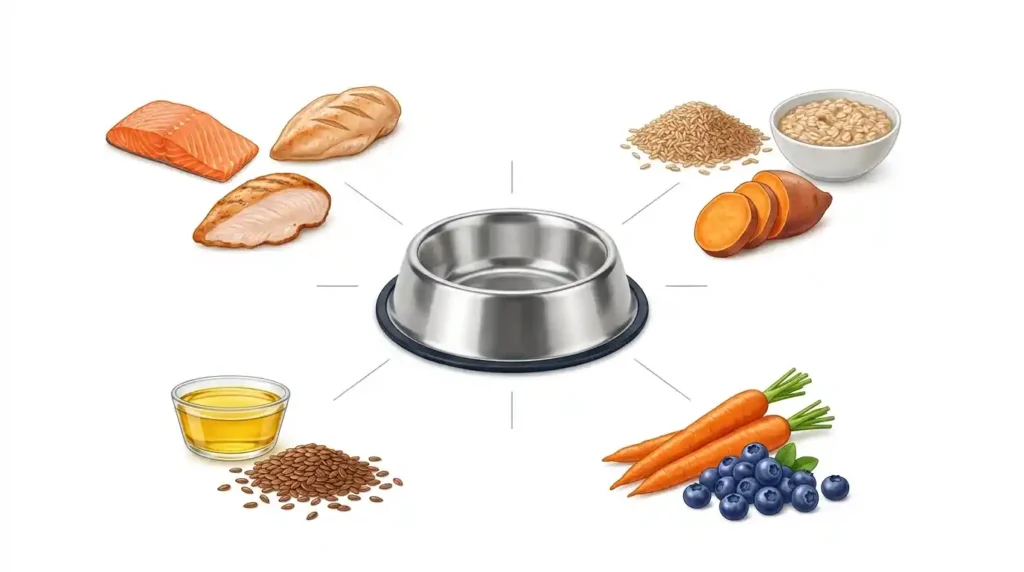
Pit Bulls require protein for tissue repair, immune function, and muscle development. Look for a named animal protein such as chicken, turkey, beef, pork, lamb, salmon, duck, eggs, or fish near the beginning of the ingredient list.
A meat-first recipe can be useful, but the first ingredient alone does not determine overall ingredient quality. Fresh meat contains water and may appear high on the list before cooking. A quality chicken meal or another properly identified meat meal can provide concentrated animal protein. The goal is not to reject all meat by-products automatically, but to favor manufacturers that clearly identify ingredients and demonstrate sound nutritional expertise.
Protein content must also be considered on a dry matter basis when comparing foods with different moisture levels. Wet food may appear low in protein on its label simply because canned food contains much more water than kibble. Dry matter analysis removes moisture from the comparison.
More protein is not always better. The protein should be digestible, appropriate for the dog, and part of a balanced fat-to-protein ratio. Excess calories from any source can still contribute to weight gain.
Fat, Calories, and Energy
Dietary fat supplies concentrated energy and supports palatability, skin health, and absorption of fat-soluble nutrients such as vitamin A, vitamin D, vitamin E, and vitamin K. Active adults may handle a higher fat content, while less active or overweight dogs often need a lower-fat, lower-calorie diet.
Check the calorie density, normally shown as kilocalories per cup or can. Two kibbles with identical feeding volumes can provide very different calorie totals. Measuring only by eye makes accidental overfeeding easy.
Omega-3 fatty acids from fish oil and omega-6 fatty acids from ingredients such as poultry fat or plant oils help maintain the skin barrier and coat. They are beneficial nutrients, but oils still add calories and should be included in the daily total.
Carbohydrates and Dietary Fiber
Dogs can digest properly prepared carbohydrates, and most Pit Bulls do not need a grain-free diet. Rice, brown rice, oatmeal, and barley can provide usable energy. Sweet potato, peas, lentils, potatoes, carrots, blueberries, cranberries, and flaxseed may supply carbohydrates, dietary fiber, antioxidants, or useful fatty acids.
Fiber sources such as beet pulp, oatmeal, brown rice, and prebiotic fiber can support digestive health and the gut microbiome. Too much fiber, however, may reduce calorie density or cause excessive stool volume. The ideal level depends on the individual dog.
For more practical nutrition guides and food comparisons, explore the Dogs Food section.
What to Feed Pitbulls at Every Life Stage
Life-stage nutrition is more important than breed marketing. A food labeled specifically for Pit Bulls is not automatically superior to a well-formulated diet made for the dog’s actual age and size.
Pit Bull Puppy Food
Puppies need food formulated for growth. It should support developing muscles, bones, the nervous system, immune function, and steady energy without pushing growth too quickly.
If your puppy is expected to mature into a large dog, ask your veterinarian whether large-breed puppy food is appropriate. Large-breed growth formulas control calcium, phosphorus, calorie density, and mineral ratios to encourage steady skeletal development. Excess calcium or excessive calorie intake during growth may increase orthopedic stress.
Feed young puppies several small meals rather than one large meal. Most begin with three or four meals per day and gradually move toward two meals as they mature. Follow the package’s age-and-weight chart, then adjust according to growth and body condition.
Avoid giving calcium or vitamin D supplements unless a veterinarian specifically recommends them. A complete puppy food should already supply the required amount, and adding more can disturb the nutritional balance.
Owners comparing the needs of different large, active dogs may also find this guide to Dog Food for German Shepherds helpful.
Adult Dog Food
A healthy adult Pit Bull usually does well on two measured meals daily. Adult dog food should provide enough protein to maintain lean muscle mass and sufficient fat and carbohydrates to match activity.
A highly active dog that runs, hikes, trains, or competes may need a nutrient-dense food with more calories per cup. A neutered, less active household dog may require a lower-calorie formula and stricter portion control. Do not choose a performance food only because the dog looks muscular; a high calorie density can lead to obesity when exercise does not match intake.
Senior Dog Food
Pit Bulls are commonly considered senior dogs at roughly seven to nine years of age, although size and health influence the timing. Senior dog food may contain fewer calories, more dietary fiber, digestible protein, antioxidants, and ingredients intended to support joint health.
Older dogs still need high-quality protein. Automatically cutting protein can contribute to loss of lean tissue unless a veterinarian has identified a medical reason for dietary restriction.
Glucosamine and chondroitin are frequently included in senior formulas. Fish oil may help support mobility and manage inflammation. L-carnitine is sometimes added to weight-management foods to support fat metabolism. These ingredients can be useful, but they do not replace veterinary care for arthritis, hip dysplasia, or ongoing pain.
Browse Dogs Breeds Feeding for more life-stage and breed-focused feeding information.
Dry, Wet, Fresh, or Raw Food?
Dry Dog Food and Kibble
Dry dog food is convenient, easy to measure, and generally offers a longer shelf life after opening. Kibble can be practical for larger dogs because it usually costs less per meal than canned or fresh food.
Store it in its original bag inside an airtight container so the lot number, expiration date, and feeding instructions remain available. Avoid pouring each new bag over old food because fats and crumbs at the bottom can become stale.
Wet Dog Food and Canned Food
Wet dog food contains more water and can support hydration. Its aroma and texture may also improve palatability for a picky eater or senior dog with sensitive teeth.
Canned food can contain more protein and fat on a dry matter basis than its “as fed” label suggests. It may also be more calorie-dense than owners expect. Check calories per can rather than assuming wet food is automatically lighter.
Fresh and Gently Cooked Food
Fresh dog food and gently cooked food can be appealing because of their texture, moisture, and minimally processed ingredients. Brands such as The Farmer’s Dog, Ollie, and Nom Nom offer portioned subscription meals, but fresh appearance and human-grade ingredients do not automatically guarantee that a recipe is right for every dog.
Confirm nutritional adequacy, storage instructions, refrigeration requirements, calorie content, and the intended life stage. Cost, freezer space, and delivery reliability also matter.
Freeze-Dried and Raw Food
Freeze-dried food may provide the convenience of shelf-stable feeding, but freeze-drying does not make every raw formula sterile. Raw food can expose dogs and household members to harmful bacteria and may be nutritionally incomplete if it is not professionally formulated.
A homemade diet has similar balancing challenges. Chicken, rice, vegetables, and organ meat may sound wholesome but can still be deficient in calcium, essential fatty acids, trace minerals, or vitamins. Consult a board-certified veterinary nutritionist before relying on homemade, raw, vegetarian, or vegan diets.
What’s a Good Dog Food for Pitbulls With Sensitive Stomachs?
Do Pitbulls Have Sensitive Stomachs?
Some Pit Bulls have sensitive stomachs, but digestive trouble is not inevitable for the breed. Diarrhea, vomiting, gas, reduced appetite, frequent bowel movements, or inconsistent stool can result from an abrupt food transition, overfeeding, rich treats, parasites, gastrointestinal disease, food intolerance, or other medical problems.
Skin signs can occur at the same time. Watch for itchy skin, skin irritation, inflamed skin, excessive scratching, paw chewing, excessive licking, hair loss, hot spots, hives, facial swelling, or chronic ear infections.
Facial swelling, breathing difficulty, repeated vomiting, bloody diarrhea, collapse, or extreme lethargy requires urgent veterinary care.
Food Allergy Versus Food Intolerance
A food allergy involves an immune response, commonly to a protein the dog has eaten before. Food intolerance can cause digestive upset without the same allergic mechanism. Environmental allergies involving pollen, fleas, mold, or dust mites can produce skin signs that look like a food allergy.
Chicken, beef, dairy, eggs, and other ingredients can become allergens for individual dogs, but there is no universal list of ingredients that every Pit Bull must avoid. Corn, wheat, soy, gluten, and grains are not automatically harmful. Removing ingredients without a diagnostic plan can make it harder to identify the true trigger.
Limited-Ingredient and Hydrolyzed Diets
A limited-ingredient diet uses fewer components and often one primary animal protein with one main carbohydrate source. This can make dietary patterns easier to track, but over-the-counter foods may be produced on shared equipment and are not always suitable for a strict elimination diet.
A veterinarian may recommend a prescription diet made with a novel single-source protein or hydrolyzed protein. Hydrolysis breaks protein into smaller fragments that are less likely to be recognized by the immune system.
During a proper elimination diet, the dog must eat only the approved food for the full trial period. Flavored medication, treats, chews, table scraps, and another pet’s food can invalidate the trial. If symptoms improve, the veterinarian may guide a controlled challenge to identify the offending ingredient.
Probiotics, prebiotic fiber, and digestible ingredients such as oatmeal or rice may help some dogs, but they cannot treat every cause of diarrhea or malabsorption.

Nutrition for Common Pit Bull Health Concerns
Skin and Coat Problems
Food containing omega-3 and omega-6 fatty acids can support skin and coat health. Salmon, fish oil, and flaxseed are common sources. Vitamin E and antioxidants can support normal cell and immune function.
Nutrition may reduce symptoms when food sensitivity is involved, but it cannot solve every skin condition. Environmental allergy, fleas, infection, demodicosis, and other disorders require a veterinary examination. Persistent scratching or hair loss should not be treated through repeated food changes alone.
Hip and Joint Health
The American Pit Bull Terrier and related dogs can experience hip dysplasia, elbow dysplasia, arthritis, and age-related joint discomfort. Maintaining a healthy weight is one of the most useful nutritional strategies because extra body fat increases the load placed on the hips and joints.
Glucosamine, chondroitin, and omega-3 fatty acids may provide joint support. They are supportive ingredients rather than cures for abnormal joint structure.
Weight Gain and Obesity
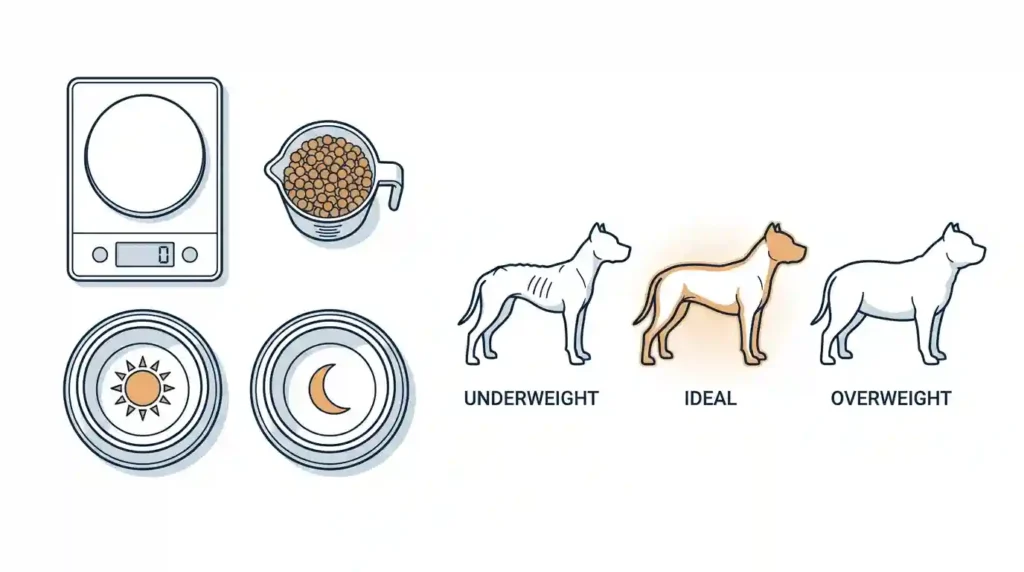
A muscular dog can still carry excess fat. Evaluate body condition instead of relying only on scale weight. At an appropriate condition, the ribs should be easy to feel under a thin layer of tissue, the waist should be visible from above, and the abdomen should rise behind the rib cage when viewed from the side.
Treats, table food, chews, and toppers contain calories. Keep extras to a small share of daily intake and reduce the main meal when necessary. A low-calorie diet may help, but portion accuracy is still essential.
Grain-Free Food and Heart Health
Grain-free diets often replace grains with peas, lentils, potatoes, or other legumes. Reports have raised concern about possible associations between certain dietary patterns and dilated cardiomyopathy, but the issue is complex and cannot be reduced to “grains good, grain-free bad.”
Unless a veterinarian has identified a reason to avoid grains, a grain-inclusive diet is a sensible default. Dogs with cardiac disease or aortic stenosis need an individualized plan; do not start a low-sodium diet, taurine supplement, or other heart-focused intervention without veterinary direction.
How Much Food Should a Pit Bull Eat?
The right feeding amount depends on body weight, age, reproductive status, activity level, health, and the food’s calories per cup. This is why “three cups per day” can be correct for one Pit Bull and far too much for another.
Estimated Daily Calories for Adult Pit Bulls
The following estimates are starting ranges for healthy adults. Puppies, pregnant dogs, working dogs, seniors, and dogs needing weight loss require different calculations.
| Adult weight | Typical maintenance starting point | Active-dog starting point |
| 30 pounds | About 790 kcal/day | About 990 kcal/day |
| 40 pounds | About 985 kcal/day | About 1,230 kcal/day |
| 50 pounds | About 1,165 kcal/day | About 1,455 kcal/day |
| 60 pounds | About 1,335 kcal/day | About 1,670 kcal/day |
| 70 pounds | About 1,500 kcal/day | About 1,875 kcal/day |
| 80 pounds | About 1,655 kcal/day | About 2,070 kcal/day |
These are estimates, not prescriptions. Metabolism varies, and a couch-loving 60-pound dog may need fewer calories than a smaller athlete.
Converting Calories Into Cups
Find “kcal per cup” on the package and use this formula:
Daily calories needed ÷ calories per cup = cups per day
For example, a dog needing approximately 1,200 calories and eating kibble containing 400 calories per cup would start at about three cups daily. Divide that into two meals rather than feeding all three cups at once.
If the same dog changes to a food containing 500 calories per cup, three cups would supply 1,500 calories. This is why copying the old portion after a food transition can cause weight gain.
Monitor and Adjust
Measure food with a standardized cup or, for better accuracy, a kitchen scale. Reassess weight and body condition every two to four weeks after changing the diet.
If the dog is gaining unwanted fat, reduce the daily total gradually. If ribs become prominent or the dog loses lean muscle, consult a veterinarian before simply adding large portions. Unexplained weight loss can signal disease.
Labradors share some portion-control challenges with food-motivated Pit Bulls. This article about the best dog food for labradors offers additional weight-management context.
Feeding Schedule and Exercise
Most adults do well with two measured meals per day. Puppies may require three or four smaller meals, while some senior dogs benefit from smaller, frequent feeding.
Do not encourage hard running immediately before or after a large meal. A calm interval around feeding may reduce digestive discomfort and discourage frantic eating. Dogs that gulp food can benefit from a slow-feeding bowl.
Use a sturdy stainless steel feeding bowl or a lead-free, food-safe ceramic feeding bowl. Wash food bowls after meals and water bowls daily. Replace chipped ceramic or deeply scratched plastic.
Helpful Amazon Products for Pit Bull Owners
The following are popular, well-reviewed examples that match common Pit Bull feeding needs. Amazon ratings, formulas, prices, package sizes, and availability can change, so verify the current listing and nutritional label before purchasing.
Purina Pro Plan Sensitive Skin and Stomach Salmon & Rice
View Purina Pro Plan Sensitive Skin and Stomach on Amazon
This adult dry dog food uses salmon as the first ingredient and includes oatmeal, live probiotics, and ingredients selected for digestive and skin support. It may suit adults that tolerate fish but struggle with some other formulas. It is not a substitute for a veterinary elimination diet.
Hill’s Science Diet Adult Sensitive Stomach & Skin Large Breed
View Hill’s Science Diet Sensitive Stomach & Skin Large Breed on Amazon
This is an adult formula intended for larger dogs and includes digestible ingredients, prebiotic fiber, vitamin E, and omega fatty acids. Confirm that the large-breed format fits your dog’s adult size and calorie requirements.
Outward Hound Fun Feeder Slo Bowl, Large
View the Outward Hound Fun Feeder Slo Bowl on Amazon
A slow feeder can help a dog that finishes kibble too quickly. Choose a size that holds the full measured meal without overflowing, supervise initial use, and wash the bowl thoroughly.
Other familiar manufacturers—including Royal Canin, Blue Buffalo, ORIJEN, Canidae, Taste of the Wild, Nulo, Diamond Naturals, Bully Max, Natural Balance, Wellness CORE, Annamaet, ACANA, and Fromm Family Foods—make formulas with different calorie levels and nutritional purposes. Brand recognition alone should not determine the choice. Compare the nutritional adequacy statement, life stage, calorie density, quality-control practices, feeding directions, and your dog’s response.
Ingredients to Look For and Ingredients to Question
Useful Ingredients
A well-formulated diet may include:
- Named protein sources such as chicken, turkey, beef, pork, lamb, salmon, fish, duck, bison, venison, eggs, or organ meat
- Digestible carbohydrates such as rice, brown rice, oatmeal, barley, or sweet potato
- Fiber sources such as beet pulp, pumpkin, flaxseed, or selected vegetables
- Omega-3 and omega-6 fatty acids for skin and coat support
- Probiotics or prebiotic fiber for digestive support
- Appropriately balanced calcium, vitamins, minerals, and chelated minerals
- Antioxidant-rich ingredients such as carrots, blueberries, or cranberries
Ingredients work as part of a formula. Blueberries do not transform an unbalanced recipe into excellent dog food, just as the presence of rice does not make a nutritionally complete food low quality.
Ingredients and Claims to Evaluate Carefully
Artificial colors add visual appeal for people, not nutritional value for dogs. Artificial flavors and preservatives are not automatically unsafe when legally approved, but many owners prefer recipes that use clearly explained preservation methods.
“Filler” is a marketing term rather than a precise nutritional category. Corn, wheat, soy, and properly prepared grains can provide nutrients and energy. They should be avoided when an individual dog has a confirmed intolerance or allergy—not because a package uses fear-based advertising.
Likewise, meat by-products vary in quality. Named, regulated by-products can contain nutrient-rich tissues, while vague sourcing makes evaluation harder. Focus on manufacturer transparency, formulation expertise, feeding research, quality control, and the complete nutrient profile.
How to Transition Your Pit Bull to a New Food
An abrupt diet change is a common cause of digestive upset. Unless a veterinarian directs otherwise, transition over seven to ten days:
| Transition days | Current food | New food |
| Days 1–2 | 75% | 25% |
| Days 3–4 | 50% | 50% |
| Days 5–6 | 25% | 75% |
| Day 7 onward | 0% | 100% |
Sensitive dogs may need a slower transition lasting 10 to 14 days. Keep treats and toppers consistent so you can accurately judge the new food.
Pause and contact your veterinarian if the transition causes repeated vomiting, persistent diarrhea, facial swelling, hives, severe itching, refusal to eat, or lethargy. Do not continue switching among multiple foods without identifying the cause.
Conclusion
So, what dog food is good for Pitbulls? For most dogs, the strongest starting choice is a complete and balanced, life-stage-appropriate food with high-quality protein, controlled calories, digestible carbohydrates, useful fatty acids, and clear feeding directions.
Puppies need properly balanced growth nutrition, active adults need enough energy without chronic overfeeding, and senior dogs need digestible protein plus careful weight and joint management. Dogs with a sensitive stomach or suspected food allergy may need a limited-ingredient, hydrolyzed, or prescription diet selected with a veterinarian.
No single brand is best for every American Pit Bull Terrier, American Bully, or related dog. Read the label, calculate portions from calorie density, feed measured meals, monitor body condition, and judge the food by sustained health—not package claims alone.
Frequently Asked Questions
What is the best dog food for Pitbulls?
The best food is complete and balanced for your dog’s life stage, with digestible animal protein, appropriate calories, and ingredients the dog tolerates well.
What should I feed my Pit Bull every day?
Feed measured portions of AAFCO-compliant puppy, adult, or senior dog food. Divide the daily amount into age-appropriate meals.
Do Pit Bulls have sensitive stomachs?
Some do, but diarrhea or vomiting can have many causes. A veterinarian should evaluate persistent or severe digestive symptoms.
Should Pit Bulls eat grain-free dog food?
Most Pit Bulls do not need grain-free food. Use it only for a clear nutritional or medical reason discussed with your veterinarian.
Is chicken bad for Pitbulls?
Chicken is a nutritious protein for dogs that tolerate it. Avoid it only if your dog has a diagnosed or strongly suspected chicken allergy or intolerance.
How many times a day should a Pit Bull eat?
Most adults do well with two meals daily. Puppies generally need three or four smaller meals, depending on age.
How much protein does a Pit Bull need?
There is no single ideal percentage for every Pit Bull. Protein quality, digestibility, life stage, health, and total calorie intake all matter.
Is wet or dry food better for Pitbulls?
Both can work when complete and balanced. Dry food is convenient, while wet food offers more moisture and may appeal to picky eaters.
Can I feed my Pit Bull a homemade diet?
Yes, but it should be formulated by a board-certified veterinary nutritionist. Improvised meat-and-rice diets are often nutritionally incomplete.
How do I know if I am overfeeding my Pit Bull?
Monitor the ribs, waist, abdominal tuck, and body weight. A disappearing waist or ribs that are difficult to feel may indicate excess body fat.
Are raw diets safe for Pitbulls?
Raw diets carry contamination and nutritional-balance risks. Discuss safer alternatives and formulation requirements with a veterinarian.
Can Pit Bulls take glucosamine and fish oil?
They may benefit in some situations, but dose and product quality matter. Ask a veterinarian before adding either supplement.