

Summary: Excessive licking of the private area in dogs is one of the most common yet frequently misunderstood behaviors that pet owners encounter. While occasional grooming is completely normal, persistent or obsessive licking of the genital or anal region can signal a wide range of underlying issues — from allergies, infections, and parasites to hormonal imbalances, anal gland problems, and even psychological distress. This in-depth guide covers every major cause of this behavior, explains the warning signs that distinguish normal grooming from a medical concern, and provides actionable guidance on when to seek veterinary care. Whether you have a male or female dog, a puppy or a senior, understanding the root cause is the first step toward effective treatment and lasting relief.
Table of Contents / Full Outline
- Dog Licking Private Area Excessively: Causes, Concerns & Complete Guide
- What Is Considered Normal vs. Excessive Licking?
- Top Causes of Excessive Licking of the Private Area in Dogs
- Gender-Specific Causes: Male vs. Female Dogs
- Age-Related Factors: Puppies vs. Adult and Senior Dogs
- When Should You Be Worried? Red Flag Symptoms
- How Veterinarians Diagnose the Cause
- Treatment Options and Home Remedies
- How to Prevent Excessive Licking in Dogs
- Frequently Asked Questions (FAQs)
What Is Considered Normal vs. Excessive Licking?
Normal Grooming Behavior in Dogs
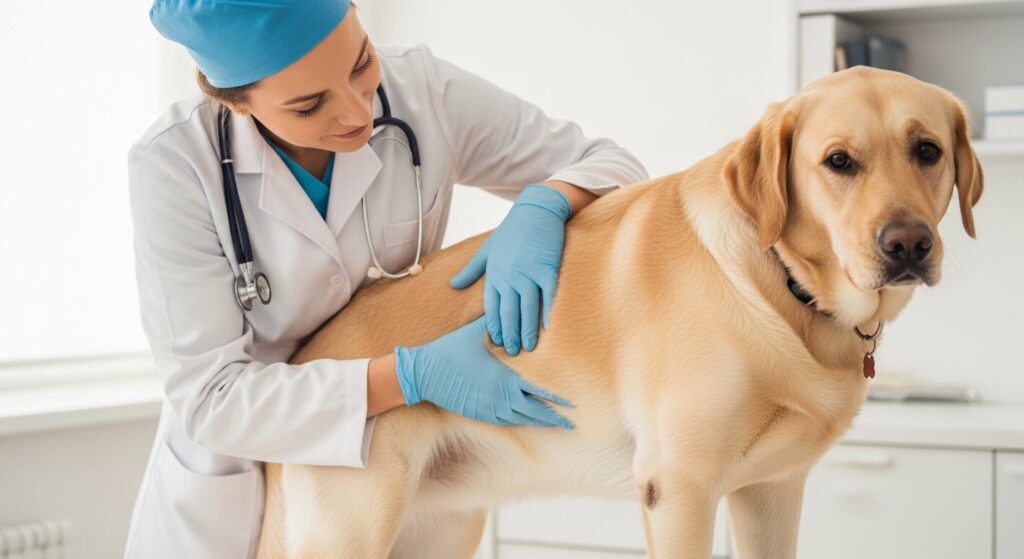
Dogs are naturally self-grooming animals. Licking their genitals, belly, and anal region is a routine part of hygiene maintenance — similar to how cats groom themselves. In most cases, brief, infrequent licking after urination or defecation is entirely normal and should not concern pet owners.
Puppies especially engage in exploratory licking, while intact (unneutered/unspayed) dogs may lick more during heat cycles or after mating. A dog that licks once or twice and then moves on is simply keeping itself clean.
Signs That Licking Has Become Excessive or Problematic
The line between normal and abnormal licking can be subtle, but key indicators of a problem include:
- Frequency: The dog returns to lick the same area repeatedly throughout the day.
- Duration: Each licking session lasts more than a few seconds or minutes.
- Physical changes: You notice redness, swelling, hair loss, discharge, or a raw/moist appearance around the genitals or anus.
- Associated behaviors: Scooting on the floor, whimpering, restlessness, changes in urination habits, or loss of appetite alongside the licking.
- Odor: A foul or unusual smell from the private region.
If any of these signs are present, the licking is no longer routine grooming — it is a symptom that warrants attention.
Top Causes of Excessive Licking of the Private Area in Dogs
Allergies (Environmental, Food, and Contact)
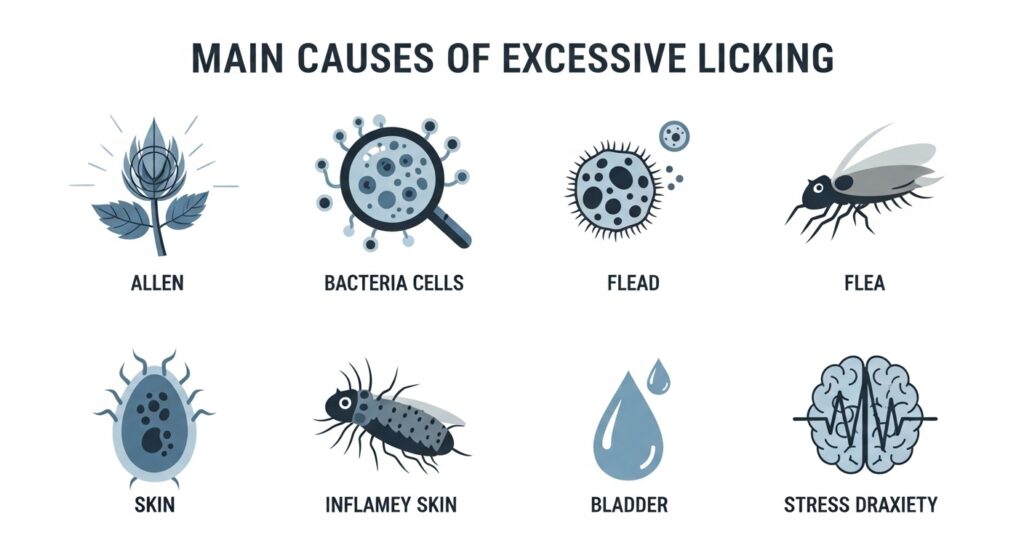
Allergies are among the most common causes of excessive licking in dogs. When a dog is allergic to something — whether it’s a food ingredient, pollen, dust mites, mold, or a cleaning product — the immune system triggers widespread inflammation that often manifests as intense itching. The groin and private area are especially vulnerable because the skin there is thin, warm, and moist.
LSI/NLP terms: canine atopy, food hypersensitivity, contact dermatitis, pruritus in dogs, itchy dog genitals.
Common allergens include:
- Beef, chicken, dairy, wheat, or soy (food allergies)
- Grass pollen, mold spores (environmental/seasonal)
- Laundry detergents, shampoos, floor cleaners (contact allergens)
Allergy-related licking typically affects other areas, too — paws, armpits, and ears — giving you additional clues to the diagnosis.
Urinary Tract Infections (UTIs) and Bladder Issues
A dog with a urinary tract infection (UTI) often experiences burning, irritation, or discomfort in the urethral and vaginal/penile area. Licking is the dog’s instinctive response to relieve this discomfort. Female dogs are more prone to UTIs due to their shorter urethras, but males can develop them too.
Associated symptoms include:
- Frequent urination or straining to urinate
- Blood in the urine (hematuria)
- Cloudy or strong-smelling urine
- Accidents indoors despite being house-trained
Bladder stones, cystitis, and urethral obstructions can produce similar symptoms and should be ruled out by a veterinarian through urinalysis and imaging.
Anal Gland Problems
The anal glands (or anal sacs) are two small scent glands located just inside a dog’s anus. When these glands become impacted, infected, or abscessed, dogs experience intense discomfort that causes them to lick at their rear end obsessively. Scooting along the floor is another classic sign of anal gland issues.
In healthy dogs, the glands empty naturally during bowel movements. However, soft stools, obesity, and certain breed predispositions (small breeds are especially susceptible) can prevent proper emptying, leading to impaction. According to the American Kennel Club’s health resources on anal gland issues in dogs, regular veterinary expression of the anal glands can prevent chronic problems in prone dogs.
Skin Infections and Dermatitis
Bacterial (pyoderma) and fungal (yeast/Malassezia) infections of the skin around the genitals, perineum, and anus can cause significant itching, discharge, and odor. These infections often develop secondary to allergies, hormonal issues, or moisture accumulation in skin folds.
Signs include:
- Reddened, moist, or crusty skin
- Discharge with an unpleasant odor
- Dark, thickened, or discolored skin with chronic infection
Yeast infections in particular tend to cause a musty or “corn chip” odor and are frequently seen in dogs with allergies.
Parasites: Fleas, Mites, and Worms
Flea infestations cause intense, generalized itching, but the groin and private area are especially sensitive to flea bites. Even a single flea bite can trigger a severe allergic reaction (flea allergy dermatitis) in sensitized dogs.
Intestinal parasites such as tapeworms can cause perianal itching, leading a dog to lick its anal area. Sarcoptic mange mites (scabies) can affect the genital region and cause severe irritation.
Regular deworming and year-round flea/tick prevention are critical preventive measures.
Hormonal Imbalances
Hormonal disorders such as hypothyroidism (underactive thyroid) and Cushing’s disease (hyperadrenocorticism) can cause widespread skin changes that result in increased licking. Hypothyroidism leads to dry, flaky skin and increased infection susceptibility; Cushing’s disease causes thin skin, pot-bellied appearance, and increased urination — all of which can contribute to genital licking.
Intact females in heat will also lick their vulva more frequently due to hormonal surges, which is normal during the estrus cycle but can be reduced through spaying.
Vaginitis in Female Dogs
Vaginitis — inflammation of the vagina — is a specific condition in female dogs that causes vaginal discharge (often yellowish or greenish), frequent licking of the vulva, and scooting. It can occur in puppies (juvenile vaginitis, which often resolves after the first heat) and in adult spayed or intact females.
Causes include bacterial infections, anatomical abnormalities, foreign bodies, or hormonal deficiencies in spayed dogs. Treatment typically involves antibiotics, anti-inflammatory medications, or, in some cases, hormonal therapy.
Prostate Issues in Male Dogs
Intact male dogs are prone to prostate enlargement (benign prostatic hyperplasia), prostatitis, or prostatic cysts as they age. These conditions can cause discomfort around the perineal and penile area, leading to licking. Affected dogs may also strain to defecate, show reluctance to exercise, or have a stiff gait.
Neutering is the most effective preventive measure for most prostatic disorders in male dogs.
Wounds, Irritation, or Foreign Bodies
Physical irritants — such as a grass seed embedded near the vulva, a small cut, a rash from wet grass, or irritation from a grooming product — can trigger focused, localized licking. Examine the area carefully (in good lighting) for any visible wounds, debris, or swelling.
Post-surgical licking is also common after spay or neuter procedures; an Elizabethan collar (e-collar) is typically used to prevent wound disruption.
Behavioral and Psychological Causes
Not all excessive licking has a physical cause. Dogs experiencing boredom, anxiety, stress, or compulsive disorders may develop repetitive licking behaviors as a self-soothing mechanism. This is more likely if:
- The licking is not associated with any physical signs of irritation
- It occurs predominantly during stressful events (thunderstorms, separation)
- Other compulsive behaviors are also present (tail chasing, paw licking)
Just as some dogs develop noise phobias — something we explore in detail in our guide on Dog Afraid of Loud Noises Inside House — anxiety-driven compulsive licking can become a deeply ingrained habit that requires behavioral intervention alongside medical evaluation.
Gender-Specific Causes: Male vs. Female Dogs
Why Female Dogs Lick Their Private Parts
Female dogs may lick their vulva due to:
- Normal heat cycle (estrus) discharge
- Vaginitis or vaginal infections
- UTIs or bladder infections
- Post-partum discharge (lochia) after whelping
- Pyometra (life-threatening uterine infection) — requires emergency care
- Perivulvar skin fold dermatitis in overweight or flat-coated breeds
Why Male Dogs Lick Their Private Parts
Male dogs lick their penis and prepuce (sheath) due to:
- Normal sheath discharge (smegma) — a small amount is normal
- Balanoposthitis (infection of the prepuce and penis)
- Prostate disease
- Phimosis or paraphimosis (abnormal retraction of the prepuce)
- Post-ejaculation grooming in intact males
Age-Related Factors: Puppies vs. Adult and Senior Dogs
Puppies may lick due to juvenile vaginitis, developmental urinary tract issues, or simple curiosity and exploratory behavior. Most cases of juvenile vaginitis in female puppies resolve naturally after the first heat cycle.
Adult dogs are most commonly affected by allergies, infections, anal gland problems, and hormonal disorders.
Senior dogs face a higher risk of prostate disease, Cushing’s syndrome, hormonal decline post-spay/neuter, and degenerative skin conditions — all of which can cause increased genital licking.
When Should You Be Worried? Red Flag Symptoms
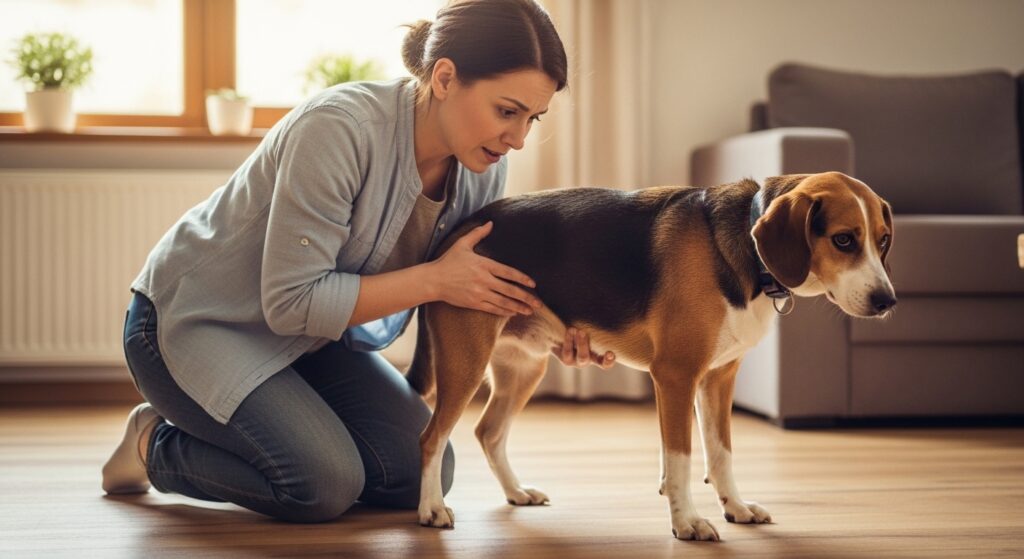
Seek veterinary care promptly if you notice:
- Blood in the urine or around the genitals
- Visible swelling, pus, or open wounds near the private area
- Straining or pain during urination or defecation
- Sudden, unexplained changes in licking frequency
- Lethargy, fever, or loss of appetite alongside licking
- A foul or unusual discharge
- Self-inflicted wounds from excessive licking
These red flag signs suggest a potentially serious underlying condition that requires prompt diagnosis and treatment.
How Veterinarians Diagnose the Cause
A thorough veterinary workup for excessive private area licking may include:
- Physical examination of the genitals, anus, and perineal skin
- Urinalysis and urine culture to detect UTIs or bladder disease
- Skin cytology or culture to identify bacterial or yeast infections
- Anal gland assessment and expression
- Blood panel (CBC and chemistry) to screen for hormonal disorders
- Allergy testing (intradermal or serum testing)
- Abdominal ultrasound to evaluate the uterus, bladder, or prostate
- Vaginal cytology in females to assess hormonal status and infection
According to VCA Animal Hospitals’ overview of genital licking in dogs, the combination of history, physical exam findings, and targeted diagnostics allows vets to pinpoint the exact cause and design the most effective treatment plan.
Treatment Options and Home Remedies
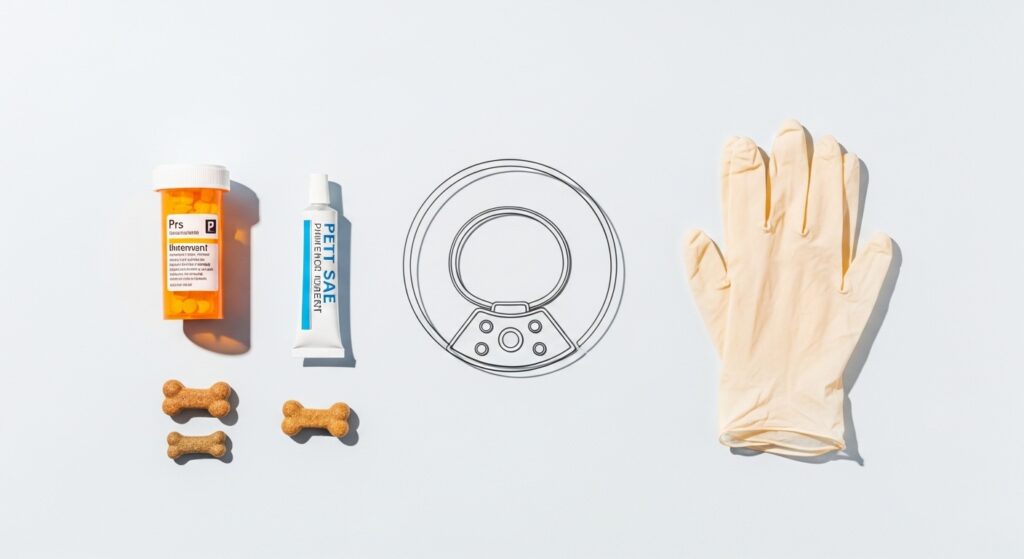
Medical Treatments
Depending on the diagnosis, treatment may include:
- Antibiotics or antifungals for bacterial or yeast infections
- Antihistamines or immunotherapy for allergies
- Anal gland expression (in-clinic procedure)
- Hormonal therapy or spay/neuter for reproductive conditions
- Anti-parasitic medications (flea prevention, dewormers)
- Anti-inflammatory medications (steroids, Cytopoint, Apoquel) for pruritus
- Behavioral medication (fluoxetine, clomipramine) for anxiety-driven licking
- E-collar use to break the licking cycle and allow healing
Safe Home Care Tips
While awaiting veterinary evaluation or as a complement to treatment:
- Keep the area clean and dry using gentle, fragrance-free pet wipes
- Check for visible foreign bodies or wounds
- Ensure the dog is on a regular, vet-approved flea prevention program
- Consider a short-term dietary elimination trial if food allergies are suspected
- Provide enrichment, exercise, and mental stimulation to reduce anxiety-driven licking
- Use a well-fitted e-collar or body suit (dog onesie) if self-trauma is occurring
How to Prevent Excessive Licking in Dogs
Prevention strategies include:
- Year-round parasite prevention (flea, tick, and intestinal worm control)
- Regular veterinary check-ups, especially for senior dogs
- Routine anal gland checks for predisposed breeds
- High-quality, balanced nutrition to support skin health and immune function
- Weight management to prevent perivulvar skin fold issues and moisture accumulation
- Spaying/neutering to eliminate reproductive causes and reduce hormonal fluctuations
- Stress reduction and behavioral enrichment for anxiety-prone dogs
Frequently Asked Questions (FAQs)
Q: Is it normal for a dog to lick its private parts after urinating? Yes, brief licking immediately after urination is a normal, instinctive grooming behavior. Concern arises when it is prolonged, repetitive, or accompanied by physical symptoms.
Q: Can I use a home remedy to stop my dog from licking? You can use a clean e-collar or a dog onesie to physically prevent licking while you seek veterinary advice. Do not apply human antiseptic creams or essential oils to the genital area without veterinary guidance, as many are toxic to dogs.
Q: Why does my spayed female dog lick herself excessively? Spayed females can develop vaginitis due to estrogen deficiency, skin fold dermatitis, or chronic low-grade bacterial infections. A veterinary examination is recommended.
Q: My male dog licks his penis constantly. Is that normal? A small amount of grooming is normal. However, constant licking, especially if there is increased discharge, swelling, or odor, points to infection (balanoposthitis) or another condition requiring treatment.
Q: Can diet affect genital licking in dogs? Yes. Food allergies can cause skin inflammation and itching across the body, including in the genital region. An elimination diet trial — ideally under veterinary supervision — can help identify and remove the offending ingredient.
Article Last Reviewed: 2025 | Veterinary guidance recommended for all medical concerns