

Summary
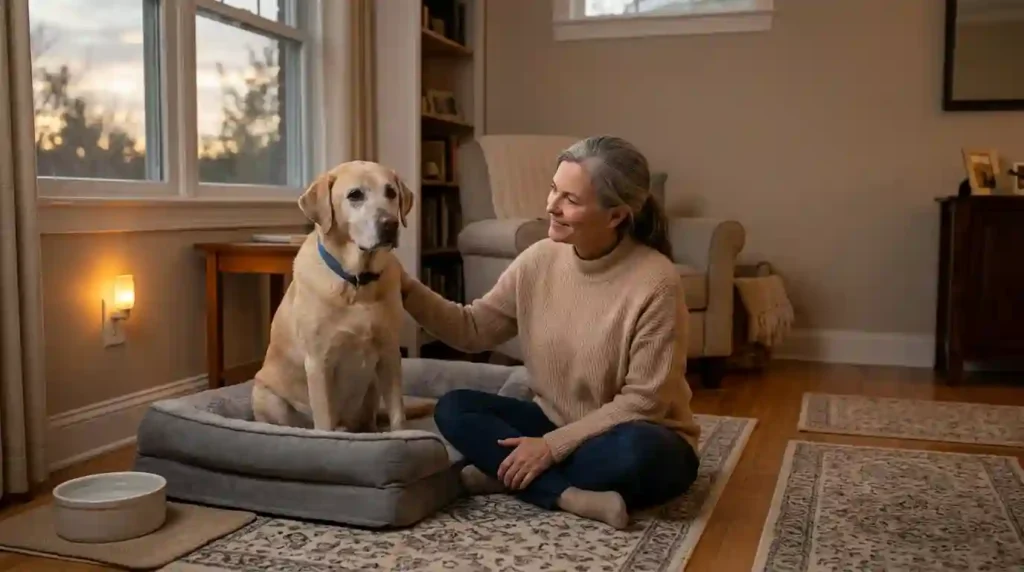
Dog dementia barking can be exhausting and upsetting, particularly when it continues through the night. The behavior is rarely stubbornness. A senior dog may bark because cognitive decline has left them disoriented, anxious, uncomfortable, or unable to maintain a normal sleep-wake cycle. Effective management starts with a veterinary examination, followed by a predictable routine, environmental adjustments, gentle behavior modification, appropriate nutrition, and, when necessary, prescription medication. This guide explains how to identify the likely cause, reduce barking safely, improve nighttime rest, and protect your dog’s quality of life.
Table of Contents
- What causes barking in dogs with dementia?
- Signs of canine cognitive dysfunction
- Medical conditions that can look like dementia
- How to track barking triggers
- How to manage dog dementia barking at home
- Managing nighttime barking and sundowning
- Training and behavior modification
- Diets and supplements for cognitive support
- Medications a veterinarian may consider
- Products that may help or cause harm
- When to consult a specialist
- Monitoring quality of life
- Conclusion
- Frequently asked questions
What Is Dog Dementia Barking?
Dog dementia barking refers to excessive vocalization associated with canine cognitive dysfunction, an age-related neurodegenerative condition sometimes called dog dementia. Owners may also describe the behavior as senile barking.
The barking may occur without an obvious external trigger. A dog might stare into an empty corner and bark, vocalize after becoming trapped behind furniture, or repeatedly call for their owner despite being in the same room. Other dogs bark mainly during the evening or overnight.
This behavior is not usually deliberate disobedience. Cognitive changes can interfere with memory, spatial awareness, emotional regulation, and the ability to recognize familiar people or surroundings. A dog that once settled quietly may no longer remember where they are, why the room is dark, or how to return to bed.
Excessive vocalization can also be a form of communication. The dog may be expressing anxiety, fear, physical discomfort, hunger, thirst, a full bladder, or a need for reassurance. Managing it successfully, therefore, requires more than simply trying to stop the sound.
Why Do Dogs With Dementia Bark?
Disorientation and spatial confusion
Disorientation is one of the defining features of canine cognitive dysfunction. A dog may become lost in a familiar room, stand on the wrong side of a door, or enter a tight space and appear unable to back out.
This spatial confusion can lead to barking because the dog feels trapped or cannot work out how to reach a familiar person. Vision loss and hearing loss can intensify the problem. When sensory decline limits the information reaching the brain, an already confused dog has fewer cues to help them understand their surroundings.
Anxiety, stress, and fear
Cognitive decline often lowers a dog’s ability to cope with ordinary changes. Moving furniture, receiving visitors, being left alone, or hearing an unfamiliar sound can produce disproportionate stress.
Some affected dogs develop separation anxiety or become unusually dependent on a caregiver. They may bark whenever that person leaves the room. Others vocalize because they wake suddenly and cannot immediately identify where they are.
Fear-based barking can look similar to attention-seeking barking, but the dog’s body language is usually different. Pacing, trembling, panting, a lowered posture, pinned ears, or persistent following suggest distress rather than a calculated request for attention.
Sleep-wake cycle disruption
Canine cognitive dysfunction can disturb the biological rhythms controlling sleep and wakefulness. A dog may spend much of the day sleeping, then become restless, active, and vocal after dark.
This pattern can create a difficult cycle:
- The dog sleeps excessively during daylight hours.
- They have less sleep pressure at bedtime.
- Darkness increases sensory uncertainty and disorientation.
- Nighttime restlessness, pacing, and barking begin.
- The dog and caregiver lose sleep, increasing stress for both.
Daytime sleeping should not be eliminated completely because elderly dogs need substantial rest. The goal is to introduce gentle daytime activity and regular exposure to natural light without exhausting the dog.
Sundowning
Sundowning is a term used for confusion, agitation, and anxiety that become more noticeable in the late afternoon or evening. It is well recognized in people with dementia and is also used descriptively in dogs with cognitive dysfunction.
A dog experiencing sundowning may pace, stare, become irritable, seek constant contact, or bark repeatedly as daylight fades. Reduced visibility, fatigue, changes in household activity, and disruption of the internal body clock may all contribute.
Pain and physical discomfort
Not every older dog that barks has a purely cognitive problem. Pain can cause irritability, restlessness, panting, poor sleep, and vocalization.
Arthritis may make it painful to lie down, turn around, or walk across a slippery floor. Dental disease can cause persistent aching that becomes more noticeable when the house is quiet. Gastrointestinal discomfort, skin disease, and neurologic pain may also produce barking.
A urinary tract infection can cause urgency and repeated requests to go outside. A full bladder may wake a dog that can no longer hold urine overnight. Hunger, thirst, temperature changes, and an uncomfortable bed should also be considered.
Unmet behavioral needs
Senior dogs still require social contact, movement, and opportunities to investigate their environment. Boredom, lack of exercise, and insufficient mental stimulation may contribute to vocalization, even when dementia is present.
Environmental noise can also trigger barking. A dog with hearing loss may react strongly to certain frequencies while failing to hear familiar voices. If external stimuli are important in your dog’s behavior, the guide to Dog Barking at Motorcycles explains how sound, movement, and learned associations can combine to produce a barking response.
In a home with several dogs, social tension or another dog’s barking can add to the confusion. See Dog Barking in Multi-Dog Households for strategies involving group dynamics and individual triggers.
What Happens in the Brain?
Canine cognitive dysfunction is associated with progressive brain degeneration. Changes can include neuron breakdown, reduced communication between nerve cells, amyloid plaque accumulation, mitochondrial dysfunction, oxidative damage, and inflammation.
These changes affect areas involved in memory, learning, orientation, and emotional control. The dog may lose previously learned behaviors, struggle to adapt to new situations, or react as though familiar experiences are new.
The condition is progressive, but disease progression differs considerably between dogs. Early recognition matters because environmental management, nutrition, treatment of concurrent disease, and selected medications may preserve function or ease clinical signs.
Signs of Canine Cognitive Dysfunction
Veterinarians often organize possible symptoms using a DISHAA assessment:
- D: Disorientation. Getting lost, staring at walls, becoming stuck, or approaching the wrong side of a door.
- I: Interaction changes. Reduced greeting, unusual clinginess, withdrawal, irritability, or altered responses to familiar people and animals.
- S: Sleep-wake changes. Daytime sleeping, nighttime barking, wandering, and nighttime restlessness.
- H: House soiling and learning changes. Indoor accidents, forgetting signals, or losing previously learned habits.
- A: Activity changes. Reduced exploration, pacing, repetitive behavior, wandering, or difficulty settling.
- A: Anxiety. New fears, separation anxiety, agitation, or greater sensitivity to environmental change.
Appetite changes, reduced recognition, repetitive licking, and unexplained excessive vocalization may also occur. One isolated symptom does not confirm dementia. Several medical and sensory problems can produce similar behavior.
The American Animal Hospital Association’s senior-care guidance explains that cognitive dysfunction is generally assessed through history, examination, neurologic evaluation, and testing for other possible causes.
Rule Out Medical Causes Before Assuming Dementia
A sudden change in barking warrants a veterinary appointment. Dog dementia develops gradually, while abrupt vocalization may indicate pain, acute illness, sensory impairment, or another neurologic disorder.
What a veterinary examination may involve
A veterinarian may recommend:
- A detailed history and physical examination
- An orthopedic and pain assessment
- A neurologic examination
- Blood and urine testing
- Blood-pressure measurement
- Evaluation of hearing and vision
- Dental examination
- Additional imaging or specialist tests when the findings are unusual
Blood and urine testing can identify or help exclude kidney disease, liver problems, diabetes, endocrine disorders, infection, and metabolic abnormalities. Urinalysis is particularly important when barking accompanies house soiling, increased thirst, or repeated nighttime waking.
Seek prompt veterinary care if the barking begins suddenly or occurs with collapse, circling, head pressing, seizures, weakness, breathing difficulty, inability to urinate, repeated vomiting, marked pain, or a major change in awareness.
How to Track Barking Triggers
Behavior tracking makes a veterinary consultation more productive and helps reveal patterns that are otherwise easy to miss.
For one or two weeks, record:
- When the barking starts and stops
- What happened immediately beforehand
- Where the dog was standing or lying
- Whether the room was light or dark
- When the dog last ate, drank, urinated, or defecated
- The amount of daytime activity and sleep
- Signs such as pacing, panting, trembling, staring, or limping
- How you responded and whether the response helped
- Any medication or supplement given that day
Short video recordings can help a veterinarian distinguish pain, disorientation, compulsive behavior, and anxiety. Look for repeated barking triggers rather than expecting one universal cause.
For example, barking at 2 a.m. that stops after urination suggests a different intervention from barking that begins every time the owner leaves the room.
How to Manage Dog Dementia Barking at Home
Create a consistent routine
A consistent routine reduces the number of decisions a cognitively impaired dog must make. Keep meals, medication, walks, rest periods, and toilet breaks at approximately the same times each day.
A predictable schedule cannot cure cognitive dysfunction, but it gives the dog reliable cues about what will happen next. Avoid unnecessary changes to sleeping locations, furniture arrangements, feeding areas, and access routes.
If a change is unavoidable, introduce it gradually and provide extra supervision.
Increase appropriate daytime activity
Regular daytime activity can reduce boredom and help restore a healthier sleep-wake cycle. Suitable options include:
- Short, gentle walks
- Supervised sniffing in a secure garden
- Easy food-search games
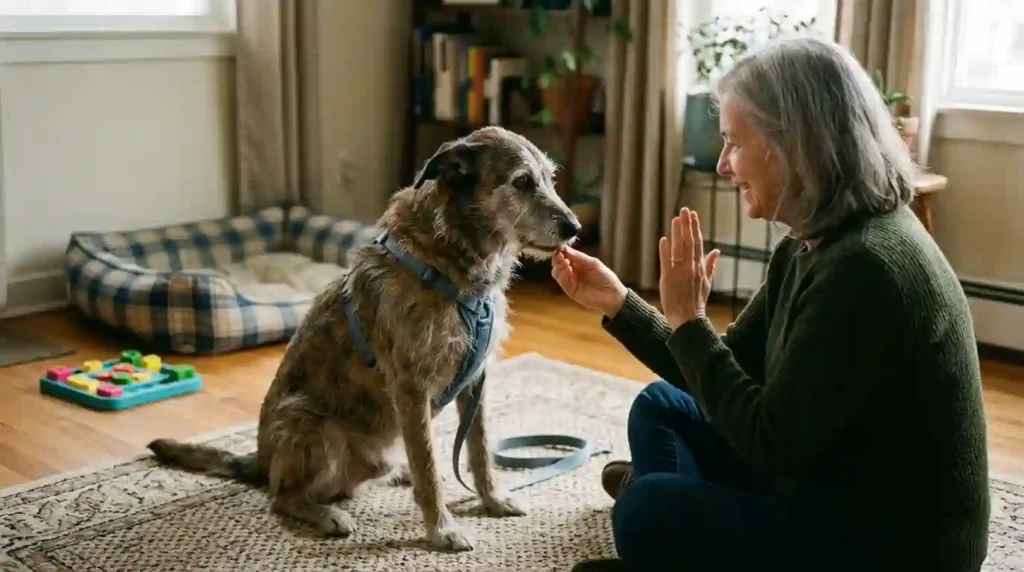
- Brief positive training sessions
- Calm social interaction
- Food puzzles designed for limited mobility
Exercise should match the dog’s physical condition. A long walk that worsens arthritis may increase nighttime barking rather than reduce it. Several brief outings are often better than one demanding session.
Provide mental stimulation without frustration
Mental stimulation can support engagement, but overly difficult tasks may cause anxiety. Choose simple food puzzles, scatter feeding, scent games, or familiar cues the dog can still perform.
Environmental enrichment should feel achievable. If the dog paws anxiously at a puzzle or gives up, make it easier. The purpose is to provide a pleasant activity, not test the dog’s declining ability.
Improve physical comfort
Offer a supportive orthopedic bed in a warm, draft-free location. Use nonslip mats on hard flooring and ramps where appropriate. Keep water easy to reach, particularly if arthritis limits movement.
Some dogs settle better in a quiet sleeping area close to their caregiver. An enclosed sleeping space can feel secure, but it should be familiar, well-ventilated, and large enough for the dog to turn comfortably. Do not suddenly confine a dog who panics in a crate or becomes distressed behind barriers.
Use sensory cues
A nightlight can help a dog with mild vision loss navigate after dark. Place it near the bed, water bowl, and route to the door without making the entire room excessively bright.
Dogs with hearing loss may respond better to hand signals, floor vibrations, or a gentle touch after you have approached within view. Avoid waking a hearing-impaired dog abruptly because being startled can provoke fear or defensive behavior.
Familiar scents, textured mats, and stable furniture placement may also help with orientation.
Meet physical needs before bedtime
A calm evening routine should include:
- A late-night potty break
- Access to fresh water
- Any veterinarian-approved pain treatment
- A comfortable sleeping temperature
- Quiet social contact
- Reduced household commotion
Discuss feeding schedules with your veterinarian if hunger appears to cause waking. Do not add large late meals without considering digestive problems, weight control, diabetes, or medication requirements.
Managing Nighttime Barking and Sundowning
Nighttime barking is one of the most difficult features of dog dementia because it affects the entire household.
Strengthen daytime and nighttime cues
Encourage sunlight exposure in the morning and appropriate activity during the day. Open curtains, spend time outdoors when the weather permits, and keep the dog socially engaged during normal waking hours.
In the evening, reduce stimulating play, loud television, and environmental noise. Dim the room gradually and use the same bedtime sequence each night. A quiet sleeping area should be dark enough to signal nighttime while retaining a small nightlight if spatial confusion is a concern.
Respond calmly and briefly
When the dog barks, check for immediate needs such as pain, thirst, temperature, entrapment, or the need to eliminate. Offer calm reassurance and guide the dog back to bed.
Lengthy play, exciting food, or animated attention at every bark may unintentionally reinforce attention-seeking barking. However, ignoring a frightened, confused dog for hours is not humane behavior modification.
The practical balance is to meet genuine needs, give quiet reassurance, and keep nighttime interactions calm and predictable.
Consider proximity
Some dogs sleep better beside the caregiver’s bed because familiar breathing, scent, and movement provide orientation. Others are disturbed by movement and do better in a separate but nearby quiet space.
Experiment with safe arrangements and use your behavior log to determine which location produces longer, more settled sleep.

Behavior Modification for Dog Dementia Barking
Teach or refresh a quiet cue
A quiet cue can help dogs with mild or moderate cognitive impairment, provided the dog can still learn and respond reliably.
Begin when barking is low in intensity:
- Wait for a brief natural pause.
- Say “quiet” once in a calm voice or present a familiar hand signal.
- Immediately provide a small treat or gentle praise.
- Repeat in short sessions.
- Gradually reward slightly longer periods of silence.
Positive reinforcement should reward the behavior you want. Do not shout the cue repeatedly because shouting can sound like additional barking and may increase agitation.
Reinforce calm alternatives
Reward the dog for resting on a mat, lying quietly, approaching you calmly, or settling in bed. If pacing precedes barking, gently guide the dog toward a comfortable resting place before vocalization escalates.
Behavior modification must account for impaired memory. A dog with advanced dementia may not retain new lessons between sessions. Management and comfort then become more important than formal training.
Avoid punishment
Do not yell, spray the dog with water, shake objects, or use shock-based devices. Punishment can add fear and anxiety to existing disorientation. It also fails to address pain, a full bladder, sensory loss, or nighttime confusion.
A qualified reward-based dog trainer can help with retained learning and environmental triggers. When anxiety or cognitive impairment is substantial, a veterinary behaviorist is the more appropriate professional.
Diet, Supplements, and Cognitive Support
Some veterinary diets for cognitive aging contain combinations intended to support brain metabolism and reduce oxidative damage. Ingredients may include antioxidants, omega-3 fatty acids, medium-chain triglycerides, vitamin E, and other nutrients.
Omega-3 fatty acids, particularly DHA and EPA, are commonly discussed in relation to neurologic support. Omega-6 fatty acids are also essential nutrients, but adding more is not automatically beneficial. The overall dietary balance matters.
Medium-chain triglycerides provide an alternative energy source that an aging brain may be able to use. Antioxidants help counter oxidative damage, although supplements are not a substitute for a complete and balanced diet.
Products sometimes discussed for senior cognitive support include SAM-e, coenzyme Q10, and combination supplements such as Senilife. Evidence and product quality vary. Supplements can also interact with medications or worsen another medical condition.
Ask a veterinarian to assess the complete diet and every supplement before starting a new product. Sudden diet changes can cause gastrointestinal upset, while excess nutrients may be harmful.
Medications a Veterinarian May Consider
Medication is not required for every dog, but it may be valuable when environmental adjustments are insufficient or anxiety and sleep disruption are affecting welfare.
Selegiline or Anipryl
Selegiline, sold for dogs under the brand name Anipryl in some markets, is approved in the United States for canine cognitive dysfunction. It affects brain chemicals involved in cognition and behavior and may improve signs in some dogs.
Improvement is not immediate or guaranteed. Your veterinarian will determine whether it is appropriate and explain how long a treatment trial should last.
Medication for anxiety, pain, or sleep disruption
Depending on the underlying problem, a veterinarian or veterinary behaviorist may consider drugs such as trazodone, fluoxetine, amitriptyline, certain benzodiazepines, or gabapentin.
These medications are not interchangeable:
- Trazodone may be used for anxiety or situational calming.
- Fluoxetine is a longer-term medication used for certain anxiety disorders.
- Amitriptyline is a tricyclic antidepressant with significant contraindications and potential adverse effects.
- Benzodiazepines can reduce acute anxiety but may cause sedation, poor coordination, or paradoxical excitement.
- Gabapentin may be selected when pain and anxiety overlap, although sedation and unsteadiness can occur.
Medication interactions are particularly important with selegiline because combining drugs that affect serotonin or related neurotransmitters can be dangerous. Some combinations require a washout period. Never use leftover human medication, change a dose, or combine calming products without direct veterinary instructions.
Pain treatment may reduce barking more effectively than a sedative when arthritis, dental disease, or neurologic discomfort is the real trigger.
Calming Products: What May Help and What to Avoid
Dog-appeasing pheromones are available as a pheromone diffuser, spray, or calming collar. They may help some dogs feel more secure, although responses vary, and they should be viewed as an additional measure rather than a primary treatment.
A properly introduced ThunderShirt or similar pressure garment may calm certain dogs. It should fit correctly and be removed if the dog becomes hot, stiff, distressed, or more agitated.
A citronella collar is generally a poor choice for a dog with dementia. The spray may interrupt barking, but it can also startle a confused dog and increase fear. Shock collars and other aversive bark collars are unsuitable for the same reason. They suppress communication without resolving disorientation, pain, or anxiety.
A Practical Daily Management Plan
Morning
- Take the dog outside soon after waking.
- Provide natural sunlight exposure.
- Offer breakfast and prescribed medication at a consistent time.
- Include a short, gentle walk or sniffing session.
Midday
- Allow restorative rest without permitting uninterrupted sleep all day.
- Offer a simple food puzzle or scent activity.
- Schedule another toilet break.
- Provide calm social contact.
Evening
- Feed at the usual time.
- Use a gentle activity early in the evening.
- Reduce noise and stimulation as bedtime approaches.
- Check comfort, water access, and room temperature.
Bedtime
- Give a late-night potty break.
- Follow the same short settling routine.
- Use a nightlight if necessary.
- Keep the sleeping route free of obstacles.
- Record any waking, pacing, or barking episodes.
When to Seek Specialist Help
Consult a veterinarian if barking is new, increasing, or accompanied by other physical or behavioral changes. A veterinary behaviorist can help when severe anxiety, aggression, compulsive behavior, or medication decisions complicate the case.
A reward-based dog trainer may assist with a quiet cue, hand signals, settling exercises, and environmental triggers. The trainer should have experience with senior dogs and be willing to work within the dog’s physical and cognitive limitations.
No professional should promise to cure dementia. The realistic aims are to reduce distress, support retained abilities, improve sleep, and maintain meaningful interaction.
Quality of Life and Disease Progression
Canine cognitive dysfunction is progressive, but there is no single timeline. Some dogs remain stable for long periods with manageable signs. Others decline more quickly or develop concurrent medical conditions that have a greater effect on welfare.
Track quality of life rather than counting barking episodes alone. Consider:
- Is pain controlled?
- Can the dog eat and drink comfortably?
- Can they rest for meaningful periods?
- Do they still enjoy affection, food, sniffing, or walks?
- Can they move and eliminate without severe distress?
- Are anxiety and confusion manageable?
- Are there more good days than bad?
The HHHHHMM Scale examines hurt, hunger, hydration, hygiene, happiness, mobility, and whether the dog has more good days than bad. It can provide structure, but it should complement regular veterinary conversations rather than replace clinical judgment.
Euthanasia may become a compassionate consideration when fear, pain, confusion, sleeplessness, or loss of function can no longer be adequately controlled. This decision should be based on the dog’s overall experience, not caregiver guilt or one difficult night. Discussing thresholds with the veterinarian before a crisis can make future decisions clearer and kinder.
Conclusion
Barking in a dog with dementia is usually a sign of confusion, anxiety, disrupted sleep, discomfort, or an unmet physical need. It should be treated as information rather than defiance.
Begin with a veterinary examination to rule out pain, dental disease, arthritis, urinary tract infection, sensory loss, and other medical causes. Then build a predictable schedule that includes daylight exposure, gentle walks, mental enrichment, frequent toilet access, physical comfort, and a calm bedtime routine.
A nightlight, a quiet sleeping space, reassuring proximity, positive reinforcement, and a carefully taught quiet cue may reduce vocalization. Veterinary diets, selected supplements, pheromones, pain relief, selegiline, or anxiety medication may also be appropriate, but treatment must be individualized.
The objective is not perfect silence. It is to help an aging dog feel safe, comfortable, oriented, and connected for as long as a good quality of life can be maintained.
Frequently Asked Questions
How to get a dementia dog to stop barking?
Rule out pain and illness first, then use a predictable routine, appropriate daytime activity, a comfortable sleeping area, and calm positive reinforcement.
Do dogs with dementia bark a lot?
Some do, particularly at night, but frequency varies. Disorientation, anxiety, sensory loss, pain, and sleep-wake disruption can all increase barking.
How do you treat Sundowners in dogs?
Use daytime sunlight and activity, a consistent evening routine, a nightlight, a late toilet break, and veterinary treatment for pain, anxiety, or cognitive dysfunction.
How to calm a senior dog with dementia?
Reduce environmental changes, offer gentle reassurance, maintain familiar routines, support mobility, and ask a veterinarian about pheromones or medication if distress persists.
What is senile barking?
Senile barking is an informal term for unexplained or repetitive vocalization in an elderly dog, often associated with cognitive dysfunction, sensory decline, or discomfort.
What are the symptoms of cognitive decline in dogs?
Common signs include disorientation, altered social interaction, nighttime restlessness, house soiling, pacing, anxiety, repetitive behavior, and loss of learned habits.
What is the life expectancy of a senior dog with dementia?
There is no fixed expectancy. Survival depends on disease severity, progression, concurrent illness, response to treatment, and the dog’s overall quality of life.