


Is Purina Pro Plan a good dog food? Yes, Purina Pro Plan is generally considered a high-quality, science-based dog food brand that can provide excellent nutrition for many dogs. Manufactured by Nestlé Purina PetCare, Pro Plan offers complete and balanced formulas for puppies, adults, seniors, active dogs, and pets with specific nutritional requirements. Its strengths include extensive veterinary nutrition research, AAFCO feeding-trial substantiation for many formulas, qualified nutrition professionals, manufacturing quality controls, and specialized ingredients such as live probiotics, omega-3 fatty acids, and DHA.
However, Purina Pro Plan is not perfect. Certain recipes contain poultry by-product meal, corn protein meal, soybean meal, and other ingredients that some owners prefer to avoid. It also costs more than many mainstream dog foods, and not every formula is appropriate for every breed, life stage, or medical condition.
This comprehensive Purina Pro Plan dog food review examines its ingredients, nutritional quality, recalls, veterinary recommendations, feeding guidelines, research credentials, pricing, and product lines. You’ll also discover which Pro Plan formulas are best for puppies, sensitive stomachs, senior dogs, and active breeds—and whether the additional cost is justified.
Table of Contents
- Is Purina Pro Plan a Good Dog Food? Quick Overview
- Purina Pro Plan Brand History, Ownership, and Manufacturing
- Purina Pro Plan Product Lines and Formulas Explained
- Best Purina Pro Plan Dog Food Recipes Reviewed
- Purina Pro Plan Dog Food Ingredients Analysis
- Purina Pro Plan Nutritional Quality and Composition
- Purina Pro Plan Scientific Research, AAFCO, and WSAVA Guidelines
- Purina Pro Plan Dog Food Recalls, Safety, and Controversies
- What Do Veterinarians Say About Purina Pro Plan?
- Is Purina Pro Plan Good for Different Dogs?
- How to Choose the Best Purina Pro Plan Formula
- Purina Pro Plan Taste, Texture, and Real-World Feeding Experience
- How to Feed and Transition to Purina Pro Plan
- Purina Pro Plan Storage, Shelf Life, and Freshness
- Purina Pro Plan Customer Reviews and Owner Experiences
- Purina Pro Plan Pricing and Value for Money
- Purina Pro Plan vs. Other Dog Food Brands
- Purina Pro Plan Sustainability and Ethical Considerations
- Purina Pro Plan Recipe Changes and Recent Developments
- How Purina Pro Plan Was Evaluated
- Final Verdict: Is Purina Pro Plan Worth Buying?
- Frequently Asked Questions
- Final Thoughts
1. Is Purina Pro Plan a Good Dog Food? Quick Overview
1.1 Is Purina Pro Plan Good for Dogs? Quick Verdict
Purina Pro Plan is a strong dog food choice for many dogs because it combines established nutritional science, specialized formulations, and extensive manufacturing oversight.
Unlike brands that rely mainly on fashionable ingredients or appealing packaging, Pro Plan places considerable emphasis on veterinary nutrition research, nutritional adequacy, and targeted feeding needs.
Many representative Pro Plan formulas have passed animal feeding tests using procedures established by the Association of American Feed Control Officials (AAFCO). This provides evidence supporting their suitability for the life stages identified on their labels.
Popular formulas such as Complete Essentials Shredded Blend Chicken & Rice, Sensitive Skin & Stomach Salmon & Rice, and Sport Performance 30/20 offer different protein, fat, and calorie concentrations.
However, a product’s suitability depends on the individual dog. A healthy adult Labrador may thrive on Complete Essentials, while a working dog may benefit from Sport 30/20 and a puppy should receive a formula labeled for growth.
Owners should also understand that Pro Plan contains ingredients such as corn protein meal, soybean meal, and poultry by-product meal in selected recipes. These ingredients can contribute useful nutrients, although their appearance on labels may concern owners seeking simpler ingredient lists.
For dogs with appropriate nutritional requirements, Purina Pro Plan is generally a reliable option worth considering.
1.2 What Is Purina Pro Plan Dog Food?
Purina Pro Plan is a premium dog food range manufactured by Nestlé Purina PetCare.
The brand provides dry kibble, canned wet food, performance nutrition, life-stage formulas, and veterinary therapeutic diets.
Its product families include Complete Essentials, Sensitive Skin & Stomach, Sport, Puppy, Adult 7+, Bright Mind, Weight Management, AdvantEDGE, and Pro Plan Veterinary Diets.
The formulas are designed for different nutritional purposes rather than following one identical ingredient profile.
For example, Sport Performance 30/20 emphasizes concentrated energy and protein for active dogs, whereas Sensitive Skin & Stomach Salmon & Rice focuses on selected ingredients and digestibility.
The broader Pro Plan range also includes specialized clinical nutrition for conditions that require veterinary management.
1.3 Purina Pro Plan at a Glance
| Feature | Purina Pro Plan |
| Manufacturer | Nestlé Purina PetCare |
| Parent company | Nestlé |
| Brand positioning | Premium, science-based dog food |
| Manufacturing | U.S. Purina facilities for U.S.-market Pro Plan |
| Food formats | Dry and wet |
| Main life stages | Puppy, adult, senior, selected all-life-stages formulas |
| Popular product families | Complete Essentials, Sensitive Skin & Stomach, Sport |
| Common protein sources | Chicken, beef, salmon, lamb, poultry meal, fish meal |
| Common carbohydrates | Rice, corn, wheat, barley, oatmeal |
| Functional ingredients | Selected probiotics, prebiotics, DHA, EPA, glucosamine |
| AAFCO adequacy | Varies by formula and life stage |
| Research support | Purina nutritional research and feeding studies |
| Recall history | Includes historical Pro Plan and Veterinary Diets recalls |
| Price category | Premium |
| Overall suitability | Strong choice for many dogs when correctly selected |
1.4 Overall Purina Pro Plan Dog Food Rating
Our editorial assessment considers nutritional adequacy, scientific research, ingredient transparency, formula selection, manufacturing oversight, affordability, and practical feeding suitability.
| Evaluation Factor | Editorial Rating |
| Nutritional adequacy | 4.8/5 |
| Veterinary nutrition expertise | 4.8/5 |
| Manufacturing and quality control | 4.5/5 |
| Ingredient quality and transparency | 3.8/5 |
| Formula variety | 4.8/5 |
| Specialized nutrition | 4.7/5 |
| Palatability and convenience | 4.3/5 |
| Price and affordability | 3.5/5 |
| Overall editorial rating | 4.4/5 |
This score is an editorial assessment, not an independent laboratory grade or clinical outcome measurement.
A particular Pro Plan formula may score differently depending on its nutritional composition and intended use.
1.5 Key Features and Benefits of Purina Pro Plan
The strongest advantage of Pro Plan is its extensive range of specialized formulas.
Owners can select diets for growth, maintenance, sporting activity, healthy aging, digestive sensitivity, weight management, and veterinary therapeutic purposes.
Another advantage is Purina’s research infrastructure. The company employs veterinary professionals, nutritionists, and scientists who support formulation and quality-control processes.
Many formulas also include functional ingredients.
Selected products contain guaranteed live probiotics, while other recipes supply EPA and DHA, prebiotic fiber, glucosamine, or medium-chain triglycerides.
These ingredients have different nutritional purposes, so their benefits must be considered formula by formula.
1.6 Purina Pro Plan Pros and Cons
| Pros | Cons |
| Extensive nutritional research | More expensive than many mainstream brands |
| Many AAFCO feeding-trial-supported formulas | Some recipes include corn and soy protein concentrates |
| Qualified nutritional formulation teams | Poultry by-product meal appears in selected recipes |
| Specialized puppy and senior nutrition | Not every recipe contains probiotics |
| Options for sensitive skin and digestion | Some formulas may not suit diagnosed food allergies |
| Performance nutrition for active dogs | High-fat Sport formulas can be inappropriate for sedentary dogs |
| Live probiotics in selected formulas | Ingredient and nutrient profiles vary considerably |
| Broad dry and wet food selection | Selecting the right formula can be confusing |
| Veterinary therapeutic diet range | Prescription diets require veterinary supervision |
| Strong manufacturing infrastructure | Historical recalls require consideration |
1.7 Is Purina Pro Plan Worth Considering Over Other Purina Brands?
Yes, particularly when a dog benefits from Pro Plan’s broader selection of specialized formulas.
Purina ONE also provides science-based nutrition, often at a lower price.
Dog Chow emphasizes affordable everyday feeding, while Beneful offers mainstream recipes with varied flavors and textures.
Pro Plan generally offers more targeted options for life stages, breed sizes, digestive sensitivities, and performance requirements.
For a broader comparison, our guide on is purina good for dogs examines the parent company’s major food brands.
Owners can also explore our Dog Food resources to understand how different diets compare in nutritional adequacy and practical feeding.
2. Purina Pro Plan Brand History, Ownership, and Manufacturing
2.1 History and Background of Purina Pro Plan
Purina’s history dates back to the late nineteenth century, when William H. Danforth helped establish the business that eventually became Ralston Purina.
Purina Pro Plan was introduced in the 1980s and developed as a premium nutrition-focused product range.
Over time, the line expanded from general maintenance formulas into specialized diets for puppies, seniors, working dogs, sensitive digestion, and clinical conditions.
In 2001, Nestlé acquired Ralston Purina and created the modern Nestlé Purina PetCare business.
Today, Pro Plan remains one of the company’s major premium pet food brands.
2.2 Who Owns and Makes Purina Pro Plan?
Purina Pro Plan is owned and manufactured by Nestlé Purina PetCare, a subsidiary of Nestlé.
The company’s U.S. headquarters are in St. Louis, Missouri.
Nestlé Purina PetCare also manufactures Purina ONE, Dog Chow, Beneful, and various pet treats and veterinary nutrition products.
Although these brands share ownership, they have different ingredient profiles and nutritional purposes.
2.3 Where Is Purina Pro Plan Dog Food Manufactured?
Purina states that Pro Plan sold in the United States is manufactured at its U.S. facilities.
The company reported in January 2026 that approximately 99% of Purina products sold in the United States were made domestically.
However, U.S. manufacturing does not mean every individual ingredient necessarily comes from the United States.
Certain vitamins, minerals, and other materials may be sourced internationally.
2.4 Purina Manufacturing Facilities and Production Standards
Purina operates a substantial manufacturing network in the United States.
Its facilities use ingredient inspections, production monitoring, laboratory testing, packaging checks, and finished-product verification.
The company reports more than 100,000 quality checks per day across its manufacturing network.
These are company-wide figures rather than the number of tests performed on each individual Pro Plan recipe.
2.5 Ingredient Sourcing and Supply Chain Transparency
Ingredient sourcing involves supplier approval, raw material specifications, testing, and ongoing monitoring.
Purina describes procedures for auditing suppliers and evaluating ingredient safety before materials enter its manufacturing processes.
However, exact ingredient origins are not always disclosed on consumer packaging.
Owners with questions about a specific protein source or ingredient should contact Purina using the precise formula name and production code.
2.6 Purina Quality Control and Product Testing
Quality assurance can involve monitoring nutrient composition, manufacturing conditions, packaging integrity, and potential contaminants.
Purina reports conducting quality checks at multiple stages.
These procedures are meaningful, but even extensive quality-control systems cannot completely eliminate the possibility of product defects.
That is why recall history and regulatory oversight remain important considerations.
2.7 Purina’s Veterinary Nutritionists and Formulation Experts
Purina employs veterinarians, animal nutrition scientists, and other pet nutrition professionals.
Qualified nutrition experts help formulate diets to meet essential nutrient requirements and intended feeding purposes.
This expertise matters because nutritional adequacy depends on more than whether an ingredient sounds appealing.
A balanced formula must supply appropriate amounts of essential amino acids, fats, minerals, and vitamins.
2.8 Purina’s Nutritional Research and Animal Feeding Studies
Purina conducts nutritional research involving digestion, metabolism, body condition, aging, and other aspects of canine health.
One influential area of its research examined calorie restriction and lean body condition in dogs.
The company has also investigated nutritional interventions for aging and digestive health.
However, research conducted by a manufacturer should not be interpreted as proof that every product independently delivers every reported benefit.
The strongest conclusions come from studies relevant to the exact ingredient, dose, and formulation being evaluated.
2.9 Manufacturing Reliability and Product Consistency
Manufacturing consistency helps maintain predictable nutrient composition and feeding results.
Purina’s facilities and quality-control processes support that objective.
Nevertheless, product appearance, aroma, and ingredient lists may change with reformulation or production adjustments.
Owners should periodically review packaging, particularly when their dogs have diagnosed food sensitivities.
3. Purina Pro Plan Product Lines and Formulas Explained
Purina Pro Plan offers several nutritional families, each targeting different feeding requirements.
Understanding their differences is essential because not every Pro Plan recipe is interchangeable.
3.1 Purina Pro Plan Complete Essentials
Complete Essentials provides everyday nutrition for healthy adult dogs.
Adult Complete Essentials Formulas
Popular examples include Chicken & Rice and Beef & Rice varieties.
These are formulated for adult maintenance and commonly include animal proteins, cereal grains, fats, vitamins, and minerals.
Shredded Blend Recipes
Shredded Blend combines crunchy kibble with tender shredded pieces.
This creates texture variety while providing complete nutrition.
The Chicken & Rice Shredded Blend formula guarantees at least 26% crude protein and 16% crude fat.
Complete Essentials Wet Dog Food
Wet formulas provide higher moisture content and different food textures.
They may appeal to picky eaters or dogs that prefer soft meals.
Breed-Size Specific Formulas
Selected Complete Essentials products are formulated for small and large breeds.
Kibble size, calorie density, and certain nutrient concentrations may differ.
3.2 Purina Pro Plan Sensitive Skin and Stomach
Sensitive Skin & Stomach emphasizes selected ingredients and nutritional support for digestive and skin health.
Salmon and Rice Formulas
The adult Salmon & Rice formula lists salmon first, followed by rice, barley, canola meal, and oatmeal in the reviewed label.
It guarantees at least 26% crude protein and 16% crude fat.
Lamb and Oatmeal Formulas
Lamb & Oatmeal offers another protein-and-grain combination.
It may be appropriate for dogs that tolerate those ingredients.
However, it is not automatically a hypoallergenic diet.
Sensitive Skin and Stomach Puppy Formulas
Puppy-specific versions are designed to meet growth requirements.
The reviewed Salmon & Rice puppy formula guarantees 28% crude protein and 18% crude fat.
Digestive Support and Skin Health Ingredients
Selected formulas contain omega-3 fatty acids, prebiotic fiber, and other nutrients supporting skin and digestive function.
However, dogs with chronic gastrointestinal disease may still require veterinary therapeutic nutrition.
3.3 Purina Pro Plan Sport and Performance
Sport formulas are designed for dogs with increased energy demands.
Sport Performance 30/20 Formulas
The 30/20 designation refers to 30% minimum crude protein and 20% minimum crude fat.
The Chicken & Rice version provides approximately 484 calories per cup in its reviewed U.S. label.
Sport Active 27/17 Formulas
Sport Active 27/17 recipes provide a different protein and fat concentration.
Exact availability and nutritional figures should be confirmed against current labels because Sport recipes have undergone changes over time.
All Life Stages Performance Nutrition
Some Sport formulas carry nutritional adequacy statements covering all life stages, including growth and reproduction.
However, this must be verified for the individual recipe.
Differences Between 30/20 and 27/17 Formulas
Sport 30/20 has a higher protein and fat guarantee.
Its concentrated energy may be useful for dogs participating in sustained physical activity.
Sport 27/17 may suit dogs requiring a less concentrated performance formula.
Neither is automatically preferable for an ordinary sedentary adult.
3.4 Purina Pro Plan Puppy
Pro Plan offers several growth-focused diets.
Puppy Shredded Blend
Puppy Shredded Blend combines crunchy kibble and tender pieces.
The reviewed Chicken & Rice formula guarantees at least 28% crude protein and 18% crude fat.
Small-Breed Puppy Formulas
Small-breed formulas account for smaller mouths and the energy requirements of growing small dogs.
The reviewed Small Breed Puppy Chicken & Rice label guarantees 33% crude protein and 20% crude fat.
Large-Breed Puppy Formulas
Large-breed puppies require appropriate energy intake and carefully balanced calcium and phosphorus.
A specific large-breed growth formula may be preferable to a general puppy diet depending on the product’s nutritional adequacy statement.
Sensitive Skin and Stomach Puppy Food
These formulas offer growth-stage nutrition with selected ingredients supporting digestive tolerance.
They should not be mistaken for prescription elimination diets.
3.5 Purina Pro Plan Adult 7+ and Bright Mind
Older dogs may have changing metabolic, cognitive, and muscle-maintenance needs.
Adult 7+ Formulas
Adult 7+ recipes provide nutrition targeted toward older dogs.
Some include added omega fatty acids, probiotics, and glucosamine.
Bright Mind Senior Dog Food
Bright Mind formulas incorporate ingredients intended to support healthy cognitive function.
The Adult 7+ Chicken & Rice formula includes nutrients such as DHA, EPA, and medium-chain triglyceride sources.
Cognitive Health and Aging Support
Some canine nutritional research suggests that medium-chain triglycerides can influence energy availability for the aging brain.
However, a dog with confusion, disorientation, or other cognitive changes still needs veterinary assessment.
3.6 Purina Pro Plan Weight Management
Weight-Control Formulas
Weight Management formulas are designed to help support calorie-controlled feeding while providing adequate nutrition.
Some include additional fiber and relatively high protein concentrations.
Reduced-Calorie Nutrition
A reduced-calorie formula may allow more feeding volume for a given calorie target.
However, weight loss still depends on achieving an appropriate calorie deficit.
Weight Management for Different Breed Sizes
Small and large dogs have different portion requirements.
Breed-size selection should account for kibble size, activity, and body condition.
3.7 Purina Pro Plan AdvantEDGE
AdvantEDGE was introduced in April 2026 as a newer Pro Plan specialized nutrition line.
Digestive Support+ Formulas
Adult Digestive Support+ combines prebiotics, probiotics, and postbiotics.
The range includes Adult, Small Breed, and Large Breed options.
Senior Support+ Formulas
Senior Support+ targets selected aspects of healthy aging in dogs aged seven years and older.
Its features should be evaluated through the exact formula and supporting research.
Prebiotics, Probiotics, and Postbiotics
Prebiotics nourish certain beneficial microorganisms.
Probiotics provide live microorganisms in appropriate quantities.
Postbiotics involve preparations of inanimate microorganisms or their components that may provide specific health benefits when appropriately studied.
Their presence does not automatically prove that every product produces clinically significant improvements.
3.8 Purina Pro Plan Veterinary Diets
Pro Plan Veterinary Diets are specialized products used under veterinary guidance.
Prescription and Therapeutic Nutrition
These diets address specific nutritional requirements associated with diagnosed medical conditions.
They should not be used simply because their names sound healthier.
Gastrointestinal Support
The EN Gastroenteric range includes formulations intended for dogs with particular gastrointestinal needs.
Low-fat variants may be considered for selected patients requiring fat restriction.
Kidney and Urinary Health Formulas
NF Kidney Function and UR Urinary Ox/St target different urinary or renal nutritional requirements.
They are not interchangeable.
Hydrolyzed Protein Diets
HA Hydrolyzed uses processed protein sources designed to reduce exposure to certain intact dietary proteins.
This can be useful in veterinarian-supervised food allergy management.
Joint Mobility and Weight Management Diets
JM Joint Mobility and OM Overweight Management provide specialized nutritional strategies.
Other veterinary ranges include CC CardioCare and DH Dental Health.
Use these diets according to veterinary recommendations.
3.9 Purina Pro Plan Dry vs. Wet Dog Food
| Feature | Dry Pro Plan | Wet Pro Plan |
| Moisture | Relatively low | High |
| Texture | Crunchy or shredded | Soft, pâté, or gravy |
| Storage | Shelf-stable before opening | Shelf-stable sealed cans |
| Calorie density per gram | Usually higher | Usually lower |
| Feeding convenience | Easy to measure in cups or grams | Portion by can or weight |
| Palatability | Depends on recipe | Often appealing to dogs preferring soft food |
| Typical cost per calorie | Usually lower | Often higher |
Both formats can be nutritionally complete when labeled appropriately.
3.10 Purina Pro Plan Grain-Free vs. Grain-Inclusive Formulas
Most familiar Pro Plan dry recipes contain grains such as rice, corn, wheat, barley, or oatmeal.
Some grain-free recipes have been available within the broader Pro Plan range.
However, grain-free does not automatically mean healthier.
Dogs with diagnosed grain allergies are relatively uncommon compared with dogs reacting to certain dietary proteins.
Grain-free diets should be selected according to individual needs and current veterinary evidence.
3.11 Comparison of Purina Pro Plan Product Families
Ingredients and Nutritional Differences
Complete Essentials focuses on everyday maintenance.
Sensitive Skin & Stomach emphasizes selected protein and carbohydrate sources.
Sport prioritizes concentrated energy, while Bright Mind targets aspects of senior nutrition.
Protein, Fat, and Calorie Differences
| Product Family | Main Nutritional Focus |
| Complete Essentials | Adult maintenance |
| Sensitive Skin & Stomach | Digestive and skin support |
| Sport | Higher energy and performance |
| Puppy | Growth and development |
| Bright Mind | Healthy senior cognitive function |
| Weight Management | Calorie-controlled feeding |
| AdvantEDGE | Specialized digestive or senior support |
| Veterinary Diets | Condition-specific therapeutic nutrition |
Life Stage and Breed-Size Suitability
Puppy, adult, and senior formulas may differ in energy, nutrient density, and mineral balance.
Breed-size products may also differ in kibble dimensions.
Specialized Nutrition vs. Everyday Maintenance
A healthy adult dog does not necessarily need a specialized formula.
However, selecting a targeted product may be beneficial when a dog’s nutritional requirements justify it.

4. Best Purina Pro Plan Dog Food Recipes Reviewed
4.1 Pro Plan Complete Essentials Shredded Blend Chicken and Rice
Ingredients and Guaranteed Analysis
This popular adult formula lists chicken, rice, whole grain wheat, poultry by-product meal, and whole grain corn among its first five ingredients.
Its reviewed label guarantees 26% minimum crude protein, 16% minimum crude fat, and 3% maximum crude fiber.
It provides approximately 369 calories per cup.
The formula also includes a guaranteed minimum of 600 million CFU of Bacillus coagulans per pound.
Key Benefits and Limitations
The main strengths are complete adult nutrition, a mixture of crunchy and tender pieces, and guaranteed live probiotics.
Limitations include the presence of poultry by-products, grains, and soy ingredients that may not suit every dog’s dietary needs.
Best-Suited Dogs
This is a practical option for many healthy adult dogs with normal activity levels.
4.2 Pro Plan Sensitive Skin and Stomach Salmon and Rice
Ingredient Quality and Digestibility
The reviewed Salmon & Rice formula lists salmon, rice, barley, canola meal, and oatmeal as its first five ingredients.
It provides 26% minimum protein, 16% minimum fat, and approximately 449 calories per cup.
The higher calorie density means serving sizes should be adjusted carefully.
Omega Fatty Acids and Skin Support
The formula guarantees minimum levels of EPA and DHA and includes other omega fatty acids.
These nutrients contribute to normal skin and coat function.
However, this food is not a substitute for treating diagnosed skin disease.
Best-Suited Dogs
It may be suitable for healthy adult dogs requiring a different ingredient profile or digestive support.
Dogs with confirmed food allergies may need a veterinary elimination diet instead.
4.3 Pro Plan Sport Performance 30/20 Chicken and Rice
Protein and Fat Content
Sport Performance 30/20 provides 30% minimum crude protein and 20% minimum crude fat.
Chicken appears first on the reviewed ingredient list.
Performance Nutrition and Energy Density
The formula contains approximately 484 calories per cup.
Its concentrated energy may help meet the demands of sporting and working dogs.
However, an ordinary adult dog with limited activity may not need this level of dietary energy.
Best-Suited Dogs
Highly active adult dogs, working dogs, and dogs participating in demanding physical activity may benefit.
Its all-life-stages feeding-trial adequacy statement also covers growth of large-sized dogs, although puppy and reproduction feeding still require appropriate portion management.
4.4 Pro Plan Puppy Shredded Blend
Growth and Development Nutrition
Puppy Shredded Blend Chicken & Rice is formulated to support growth.
The reviewed label guarantees 28% minimum protein and 18% minimum fat.
DHA, Protein, Calcium, and Phosphorus
It provides DHA for normal neural and visual development.
The reviewed label also guarantees minimum calcium and phosphorus levels.
These minerals must be supplied in an appropriate balance during growth.
Best-Suited Puppies
It is designed for growing puppies, with feeding quantities adjusted according to expected adult size and age.
4.5 Pro Plan Bright Mind Adult 7+ Chicken and Rice
Cognitive Support Ingredients
Bright Mind includes nutrients associated with healthy brain function, including selected fatty acids and medium-chain triglyceride sources.
Its reviewed label guarantees 29% minimum protein and 14% minimum fat.
Nutritional Requirements of Senior Dogs
Older dogs may require support for muscle maintenance, weight management, and changes in metabolism.
Maintaining appropriate body condition remains essential.
Best-Suited Dogs
It may be appropriate for healthy senior dogs requiring adult maintenance nutrition.
However, dogs with diagnosed medical conditions may need more specialized diets.
4.6 Pro Plan Complete Essentials Beef and Vegetables Wet Food
Ingredients and Nutritional Profile
Beef-and-vegetable wet formulas offer a different feeding format from dry kibble.
The exact guaranteed analysis depends on the current recipe and can size.
Owners should use the package-specific nutrient and calorie information.
Moisture, Texture, and Palatability
Wet food provides substantial dietary moisture and a soft texture.
It can be useful for dogs that prefer canned meals or have difficulty chewing dry kibble.
Best-Suited Dogs
Healthy adults that prefer wet food or benefit from mixed feeding may find this format convenient.
4.7 Pro Plan Adult Chicken and Rice Dry Dog Food
Protein Sources and Ingredient Composition
The Complete Essentials Shredded Blend Chicken & Rice formula combines chicken with poultry by-product meal and plant-derived protein sources.
It also contains rice, wheat, corn, and other ingredients.
Nutrient Balance and Calorie Content
The reviewed formula provides 26% minimum protein, 16% minimum fat, and 369 kcal per cup.
Its nutrient profile is intended for adult maintenance.
Benefits and Drawbacks
Its strengths include scientific formulation, good palatability, and probiotic supplementation.
Its limitations depend on individual ingredient tolerance and the owner’s nutritional preferences.
4.8 Best Purina Pro Plan Recipes at a Glance
| Feeding Need | Formula to Consider |
| Best overall adult option | Complete Essentials Shredded Blend Chicken & Rice |
| Best for puppies | Pro Plan Puppy Shredded Blend |
| Best for senior dogs | Bright Mind Adult 7+ |
| Best for sensitive digestion | Sensitive Skin & Stomach Salmon & Rice |
| Best for active working dogs | Sport Performance 30/20 |
| Best for weight management | Pro Plan Weight Management |
| Best wet dog food | Complete Essentials wet formula suited to the dog’s life stage |
| Best specialized veterinary formula | Condition-specific Pro Plan Veterinary Diet selected by a veterinarian |
Best Overall Purina Pro Plan Dog Food
Complete Essentials Shredded Blend Chicken & Rice is a versatile choice for many healthy adults.
Best for Puppies
Pro Plan Puppy formulas are designed for growth and development.
Best for Senior Dogs
Bright Mind Adult 7+ may be appropriate for older dogs without specialized medical needs.
Best for Sensitive Digestion
Sensitive Skin & Stomach is worth evaluating when a dog requires a different ingredient profile.
Best for Active and Working Dogs
Sport Performance 30/20 provides higher energy density.
Best for Weight Management
Pro Plan Weight Management offers an alternative to simply reducing ordinary food portions excessively.
Best Wet Dog Food
Choose a complete wet formula matched to the dog’s life stage and health.
Best Specialized Veterinary Formula
The best veterinary formula depends on the diagnosed condition and treating veterinarian’s recommendations.
5. Purina Pro Plan Dog Food Ingredients Analysis
5.1 What Ingredients Are Used in Purina Pro Plan?
Pro Plan uses animal proteins, grains, plant protein concentrates, fats, fibers, vitamins, and minerals.
Some formulas also include probiotics, prebiotics, fish oil, and other functional ingredients.
Ingredient composition differs considerably across the product range.
5.2 First Five Ingredients Breakdown
For example, the reviewed Complete Essentials Shredded Blend Chicken & Rice formula lists:
| Ingredient | Main Nutritional Function |
| Chicken | Animal protein |
| Rice | Carbohydrate energy |
| Whole grain wheat | Energy and other nutrients |
| Poultry by-product meal | Concentrated animal protein and minerals |
| Whole grain corn | Energy and some protein |
The ingredient list identifies components by weight before processing.
It does not provide exact ingredient percentages or protein digestibility.
5.3 Animal Protein Sources and Meat Ingredients
Chicken, Beef, Lamb, Turkey, and Fish
Pro Plan uses a variety of animal proteins across its formulas.
These contribute amino acids needed for muscle maintenance, tissue repair, and metabolism.
Chicken Meal and Other Named Meat Meals
Rendered meat meals can provide concentrated animal protein.
Because much of their water has been removed, they may contribute substantial protein despite appearing differently from fresh meat.
Poultry By-Product Meal
Poultry by-product meal can include nutritious poultry tissues and organs.
Its value depends on composition, processing, and digestibility.
Named vs. Unnamed Animal Ingredients
Named proteins identify the animal source more clearly.
That matters when choosing food for dogs with confirmed allergies.
Are Animal By-Products Bad for Dogs?
No. Appropriately processed by-products can be nutritionally useful.
The relevant questions concern nutrient quality, safety, and consistency.
5.4 Plant-Based Protein Ingredients
Corn Protein Meal and Corn Gluten Meal
Corn protein meal is a concentrated plant protein source.
It contributes to total crude protein and amino acid content.
Soybean Meal and Other Soy Ingredients
Soybean meal supplies protein and other nutrients.
Soy is not inherently harmful, although individual dogs may be allergic to it.
Plant Protein vs. Animal Protein
Animal and plant proteins differ in amino acid composition and digestibility.
The finished diet must provide sufficient usable essential amino acids.
5.5 Grains and Carbohydrate Sources
Corn, Wheat, Rice, and Oatmeal
These ingredients can provide digestible energy and selected nutrients.
Proper processing improves the utilization of starches.
Are Grains in Purina Pro Plan Fillers?
Not necessarily.
The term “filler” is often used without a consistent nutritional definition.
Grains can contribute useful calories and nutrients.
Grain-Inclusive vs. Grain-Free Ingredients
Grain-inclusive diets contain cereal grains.
Grain-free formulas may replace them with potatoes, peas, lentils, or other carbohydrate sources.
Grain-free is not inherently superior.
Carbohydrate Digestibility and Nutritional Value
Digestibility depends on ingredient type, processing, and overall formulation.
Carbohydrates can be useful energy sources for dogs.
However, nutritional adequacy depends on the full diet.
5.6 Fats, Oils, and Essential Fatty Acids
Chicken Fat, Beef Fat, and Fish Oil
Animal fats supply concentrated energy.
Fish oil can provide EPA and DHA.
Omega-3 and Omega-6 Fatty Acids
Omega fatty acids support normal skin, coat, and other physiological functions.
Their effectiveness depends on quantity and overall dietary balance.
EPA and DHA
EPA and DHA are long-chain omega-3 fatty acids.
They play roles in several physiological processes and may support targeted nutritional goals.
However, amounts should be evaluated relative to the dog’s needs.
5.7 Dietary Fiber and Digestive Ingredients
Pro Plan includes fiber sources such as dried beet pulp, wheat bran, and chicory root in selected formulas.
These may influence stool quality and intestinal function.
Different fibers have different fermentability and water-binding properties.
5.8 Probiotics, Prebiotics, and Other Functional Ingredients
Live Probiotics and Digestive Health
Selected Pro Plan formulas contain live microorganisms intended to support digestive and immune health.
However, benefits depend on strain, dosage, viability, and the individual dog.
What Probiotic Strains Are Used in Purina Pro Plan?
Several Pro Plan dry recipes list Bacillus coagulans.
Other probiotic species may be used in different Purina products and supplements, but their presence should not be assumed without checking the exact label.
Understanding Bacillus coagulans and Other Probiotic Organisms
Bacillus coagulans is a spore-forming bacterial species used in selected pet foods.
Its characteristics can make it suitable for incorporation into shelf-stable products.
What Does CFU Mean on a Dog Food Label?
CFU stands for colony-forming units.
It describes a microbiological count of viable organisms under specified testing conditions.
How Many Live Probiotics Does Pro Plan Guarantee?
The reviewed Complete Essentials Shredded Blend Chicken & Rice formula guarantees at least 600 million CFU of Bacillus coagulans per pound.
This is formula-specific and should not be attributed to every Pro Plan product.
Do Probiotics Survive Manufacturing and Storage?
Survival depends on the organism, processing conditions, packaging, and storage.
A guaranteed CFU declaration provides more useful information than a general statement that a food contains probiotics.
Do All Purina Pro Plan Recipes Contain Live Probiotics?
No.
Probiotic ingredients and guarantees vary between formulas.
Can Pro Plan Probiotics Help Dogs With Sensitive Digestion?
They may support digestive health in some dogs.
However, probiotics cannot replace diagnosis or treatment for chronic gastrointestinal disease.
Prebiotic Fiber
Prebiotics are substrates that can be selectively used by beneficial microorganisms.
Dried chicory root is a common example in pet food.
Postbiotics in Selected Pro Plan Formulas
The AdvantEDGE Digestive Support+ range includes postbiotic components.
Their benefits should be evaluated according to formulation-specific evidence.
Glucosamine and Joint Support
Selected Pro Plan products guarantee glucosamine.
It may contribute to joint-support nutritional strategies, but food concentrations should not automatically be equated with therapeutic supplementation.
Antioxidants and Immune Health
Antioxidants such as vitamin E support normal cellular function.
However, their presence does not guarantee prevention of disease.
5.9 Evaluating Functional Ingredient Amounts in Purina Pro Plan
Glucosamine Content vs. Joint Supplement Dosages
The reviewed Complete Essentials formula guarantees at least 400 ppm glucosamine.
That equals 400 mg per kilogram of food.
At its published calorie density, this corresponds to approximately 106 mg per 1,000 kcal.
This is not equivalent to a prescribed joint supplement dose.
EPA and DHA Amounts for Skin and Joint Support
Sensitive Skin & Stomach Salmon & Rice guarantees at least 0.1% EPA and 0.1% DHA.
These values can help compare omega-3 delivery across foods.
However, clinical dosing requirements depend on the condition.
Do Added Antioxidants Guarantee Better Immune Health?
No.
Antioxidants are important nutrients, but a higher label value does not automatically establish better immunity.
Functional Ingredients vs. Clinically Tested Therapeutic Benefits
An ingredient may have a known biological role without proving that a specific finished product treats a disease.
Therapeutic claims require appropriate supporting evidence.
How to Compare Functional Ingredient Amounts per 1,000 kcal
Divide the amount of a nutrient per kilogram of food by the food’s kilocalories per kilogram, then multiply by 1,000.
This standardizes the comparison by energy intake.
5.10 Vitamins, Minerals, and Nutritional Supplements
Pro Plan formulas contain essential nutrients such as vitamin A, vitamin D, vitamin E, B-complex vitamins, calcium, phosphorus, zinc, iron, selenium, and other minerals.
These support normal metabolism, skeletal function, and cellular processes.
The exact concentrations differ according to life stage and formula.
5.11 Artificial Colors, Flavors, and Preservatives
Many reviewed Pro Plan dry recipes use mixed tocopherols to help preserve fats.
Selected recipes contain added flavors or other functional ingredients.
Ingredient lists vary, so statements that all Pro Plan foods contain or avoid artificial additives are too broad.
5.12 Controversial Ingredients and Potential Concerns
Poultry By-Products
Poultry by-products can be nutritious but provide less visually appealing marketing than fresh meat.
Their safety and quality depend on processing and sourcing.
Corn and Soy Protein Concentrates
These ingredients contribute protein and other nutrients.
However, their inclusion makes ingredient-list comparisons more complicated.
Ingredient Splitting
Different components of the same plant source may appear separately.
This can obscure the total proportion of a broad ingredient category.
Highly Processed Ingredients
Most dry kibble is extruded.
Processing can affect nutrient availability, but it does not automatically make a complete diet nutritionally inadequate.
5.13 What Important Nutritional Ingredients Are Missing or Limited?
Not every Pro Plan formula contains the same probiotics, omega fatty acids, glucosamine, or specialized supplements.
However, a food does not need every functional ingredient to provide complete nutrition.
The relevant question is whether the formula meets the dog’s actual requirements.
5.14 Ingredient Quality Differences Between Pro Plan Formulas
Complete Essentials combines animal proteins and grains.
Sensitive Skin & Stomach uses different protein and carbohydrate combinations.
Sport increases energy concentration.
Veterinary Diets may use unusual ingredients because their purpose is clinical nutrition rather than conventional ingredient marketing.
5.15 Does Real Meat as the First Ingredient Mean Better Dog Food?
Not necessarily.
Ingredient order reflects weight before processing.
Fresh meat contains substantial water.
The complete diet’s digestibility, amino acid balance, and nutritional adequacy matter more than one ingredient’s position.
5.16 Overall Purina Pro Plan Ingredient Quality Assessment
Purina Pro Plan uses a combination of nutritionally useful animal and plant ingredients.
Some recipes contain components that certain owners prefer to avoid, including poultry by-product meal and protein concentrates.
However, the brand’s nutritional adequacy, research, and manufacturing expertise are meaningful strengths.
6. Purina Pro Plan Nutritional Quality and Composition
6.1 Purina Pro Plan Guaranteed Analysis Explained
Crude Protein Content
Protein levels vary between formulas.
Complete Essentials Shredded Blend Chicken & Rice guarantees 26% minimum crude protein.
Sport Performance 30/20 guarantees 30%.
Crude Fat Content
Complete Essentials Chicken & Rice guarantees 16% minimum fat.
Sport 30/20 guarantees 20%.
Fat provides energy and essential fatty acids.
Crude Fiber Content
Many reviewed formulas list a maximum of 3–4% crude fiber.
Crude fiber does not represent total dietary fiber.
Moisture Content
Representative dry Pro Plan formulas list a maximum moisture content of 12%.
Moisture affects comparisons with wet food.
6.2 Macronutrient Profile of Purina Pro Plan
Protein-to-Fat Ratio
Complete Essentials Chicken & Rice has minimum guarantees of 26% protein and 16% fat.
Sport 30/20 has 30% and 20%.
These figures describe guaranteed minimums rather than exact measured ratios.
Estimated Carbohydrate Content
Carbohydrates are not directly guaranteed on most dog food labels.
Estimating carbohydrates requires actual nutrient measurements, including ash.
Calculations made solely from guaranteed minimums and maximums may be inaccurate.
Calorie Distribution by Macronutrient
Protein, fat, and digestible carbohydrates all contribute energy.
The exact distribution requires a complete typical nutrient analysis.
Caloric Density and Metabolizable Energy
| Formula | Approx. kcal/kg | Approx. kcal/cup |
| Complete Essentials Shredded Blend Chicken & Rice | 3,790 | 369 |
| Sensitive Skin & Stomach Salmon & Rice | 3,903 | 449 |
| Sport Performance 30/20 Chicken & Rice | 4,390 | 484 |
| Bright Mind Adult 7+ Chicken & Rice | 3,791 | 423 |
These values are from reviewed U.S. labels and should be verified against current packaging.
6.3 Dry Matter vs. As-Fed Nutritional Analysis
Dry matter calculations remove the effect of moisture.
For example, a formula listing 26% minimum protein and 12% maximum moisture produces an illustrative dry-matter protein calculation of approximately 29.5%.
However, this combines guaranteed values rather than actual analytical results.
Therefore, it should not be presented as the food’s exact tested dry-matter protein content.
6.4 Nutritional Comparison of Purina Pro Plan Formulas
Complete Essentials vs. Sensitive Skin and Stomach
Both reviewed adult formulas guarantee 26% protein and 16% fat.
However, Sensitive Skin & Stomach has a higher published calorie density per cup and uses a different ingredient profile.
Sport vs. Standard Adult Formulas
Sport 30/20 provides more fat and calories per cup.
This may benefit highly active dogs but is not automatically desirable for sedentary dogs.
Puppy vs. Adult Formulas
Puppy formulas are designed for growth and generally provide different nutrient concentrations and mineral balances.
Senior vs. Adult Maintenance Formulas
Senior formulas may include different functional ingredients and nutritional emphasis.
However, not every senior dog requires a specialized senior food.
6.5 Purina Pro Plan Nutrients per 1,000 Calories
Why Nutrient Density Matters More Than Percentages Alone
Nutrient density per 1,000 kcal helps standardize comparisons between foods with different calorie concentrations.
This can be especially useful for comparing active-dog, adult-maintenance, and sensitive-digestion formulas.
Protein Grams per 1,000 kcal
| Formula | Calculated Minimum Protein per 1,000 kcal |
| Complete Essentials Chicken & Rice | 68.6 g |
| Sensitive Skin & Stomach Salmon & Rice | 66.6 g |
| Sport Performance 30/20 Chicken & Rice | 68.3 g |
These figures are calculated from guaranteed minimum protein values and published metabolizable energy.
They are not measured typical protein values.
Fat Grams per 1,000 kcal
| Formula | Calculated Minimum Fat per 1,000 kcal |
| Complete Essentials Chicken & Rice | 42.2 g |
| Sensitive Skin & Stomach Salmon & Rice | 41.0 g |
| Sport Performance 30/20 Chicken & Rice | 45.6 g |
Sport provides the highest calculated minimum fat per 1,000 kcal among these examples.
Calcium and Phosphorus per 1,000 kcal
| Formula | Calculated Minimum Calcium | Calculated Minimum Phosphorus |
| Complete Essentials Chicken & Rice | 2.64 g | 2.11 g |
| Sensitive Skin & Stomach Salmon & Rice | 2.56 g | 2.05 g |
| Sport Performance 30/20 Chicken & Rice | 2.51 g | 2.05 g |
These are minimum-guarantee calculations.
They cannot establish actual calcium-to-phosphorus ratios or clinical suitability.
EPA and DHA per 1,000 kcal
| Formula | Calculated Minimum EPA | Calculated Minimum DHA |
| Sensitive Skin & Stomach Salmon & Rice | 0.26 g | 0.26 g |
| Sport Performance 30/20 Chicken & Rice | 0.27 g | 0.27 g |
The reviewed Complete Essentials adult label does not provide comparable EPA and DHA guarantees.
These numbers should not be interpreted as veterinary therapeutic doses.
Complete Essentials vs. Sensitive Skin and Stomach vs. Sport: Nutrient Density Comparison
The formulas have surprisingly similar calculated minimum protein concentrations per 1,000 kcal.
Sport provides more guaranteed fat per 1,000 kcal.
This demonstrates why protein percentages alone can be misleading when comparing foods with different energy densities.
How to Compare Pro Plan With Other Dog Foods on an Equal-Calorie Basis
Use typical nutrient data when possible.
Calculate the nutrient amount supplied by 1,000 kcal of each food.
Compare formulas intended for similar life stages and purposes.
6.6 Protein Quality and Essential Amino Acid Profile
Protein quality depends on essential amino acid composition, digestibility, and utilization.
Pro Plan uses combinations of animal and plant protein sources.
The total formulation must supply adequate amino acids.
6.7 Protein Digestibility and Nutrient Bioavailability
Digestibility measures the proportion of nutrients absorbed from food.
Bioavailability describes their usefulness to the body.
A guaranteed crude protein percentage does not reveal actual protein digestibility.
6.8 Micronutrient Profile and Nutritional Supplementation
Pro Plan adds vitamins and minerals to help achieve complete nutrition.
Exact concentrations vary according to formula and life stage.
6.9 Functional Nutrition for Specific Health Needs
Selected formulas emphasize digestive health, skin support, performance, aging, or weight management.
These claims should be evaluated according to specific nutrients and supporting evidence.
6.10 How Purina Pro Plan’s Nutrition Compares With AAFCO Requirements
Many Pro Plan formulas meet AAFCO nutrient profiles or have feeding-trial substantiation for their labeled life stages.
However, nutritional adequacy statements differ between formulas.
6.11 Is Purina Pro Plan Nutritionally Adequate for Everyday Feeding?
Yes, when the chosen formula is complete and balanced for the dog’s life stage and appropriate for its health.
However, specialized medical requirements may call for veterinary therapeutic nutrition.
7. Purina Pro Plan Scientific Research, AAFCO, and WSAVA Guidelines
7.1 Why Scientific Research Matters in Dog Food Evaluation
Scientific research helps determine whether a diet supplies appropriate nutrients and supports normal physiological function.
Manufacturer research credentials are useful, but individual product claims should be supported by relevant evidence.
7.2 Does Purina Pro Plan Meet AAFCO Nutritional Standards?
AAFCO Nutritional Adequacy Statements
AAFCO nutritional adequacy statements identify the life stage for which a food is intended and the method used to substantiate adequacy.
Adult Maintenance, Growth, and All Life Stages
Adult maintenance diets are designed for adult dogs.
Growth diets support puppies.
All-life-stages foods must meet broader requirements, subject to the specific label statement.
Does “All Life Stages” Include Large-Breed Puppy Growth?
Not automatically.
Check the statement for whether growth of large-sized dogs is included or excluded.
The reviewed Sport Performance 30/20 Chicken & Rice formula explicitly includes growth of large-sized dogs.
What Does “Complete and Balanced” Actually Guarantee?
It indicates that the food is nutritionally adequate for its stated purpose under recognized regulatory criteria.
It does not guarantee that every individual dog will tolerate the product or remain free from disease.
Formulation-Based Adequacy vs. Feeding Trials
Formulation-based adequacy relies on meeting established nutrient profiles.
Feeding-trial substantiation involves animal feeding tests using recognized procedures.
7.3 What Do AAFCO Feeding Trials Actually Prove?
Feeding Trial Methods and Requirements
AAFCO feeding trials assess a diet’s ability to support animals under defined testing conditions.
They provide evidence beyond formulation calculations alone.
How to Identify an AAFCO Feeding-Trial Statement
Look for wording indicating that animal feeding tests using AAFCO procedures substantiate complete and balanced nutrition.
Benefits and Limitations of Feeding Trials
Feeding trials can provide evidence of practical nutritional adequacy.
However, they do not prove a food is ideal for every dog or prevent all long-term diseases.
Which Pro Plan Formulas Have Feeding Trial Substantiation?
Reviewed examples include Complete Essentials Shredded Blend Chicken & Rice, Sensitive Skin & Stomach Salmon & Rice, Sport Performance 30/20 Chicken & Rice, Puppy Shredded Blend Chicken & Rice, and Bright Mind Adult 7+ Chicken & Rice.
Always confirm the exact current label.
7.4 Does Purina Pro Plan Meet WSAVA Guidelines?
Qualified Veterinary Nutritionists
Purina employs veterinary and nutritional professionals.
This is consistent with the type of manufacturer expertise emphasized by WSAVA.
Nutritional Research and Published Studies
Purina conducts research and publishes work related to pet nutrition.
However, research quality and product relevance must still be evaluated.
Manufacturing Quality Control
Purina describes extensive manufacturing and quality testing.
This addresses another important WSAVA manufacturer-evaluation consideration.
Manufacturer Nutritional Transparency
Owners should be able to request detailed nutritional information about specific products.
Does WSAVA Approve or Certify Purina Pro Plan?
No. WSAVA provides guidelines for evaluating pet food manufacturers.
It does not operate a universal official certification system approving specific dog food brands.
7.5 Purina’s Long-Term Canine Nutrition Research
Purina has conducted important studies involving body condition, calorie intake, aging, and nutritional support.
These findings help inform feeding principles.
However, they do not prove every Pro Plan formula has independently demonstrated the same outcomes.
7.6 Veterinary Nutrition Evidence vs. Ingredient-Based Marketing
Ingredient marketing often emphasizes fresh meat, grain-free claims, or visually appealing ingredients.
Nutritional science evaluates the full diet, nutrient adequacy, digestibility, and health outcomes.
Both ingredient information and scientific evidence can be useful, but they answer different questions.
7.7 How Purina’s Research Applies to Individual Pro Plan Recipes
Research findings should be connected to the formula’s actual ingredients and nutrient concentrations.
A study involving one probiotic strain or nutrient dose should not automatically be applied to every recipe containing a similar ingredient.
7.8 Purina Pro Plan Nutritional Transparency: What the Label Doesn’t Tell You
Guaranteed Analysis vs. Typical Nutrient Analysis
Guaranteed analysis provides minimum or maximum nutrient concentrations.
Typical nutrient analysis provides more representative measured values.
Which Nutrients Are Not Required on Standard Dog Food Labels?
Standard labels do not always disclose total carbohydrates, starch, sodium, complete amino acid profiles, or every mineral concentration.
How to Request a Complete Nutrient Profile From Purina
Contact Purina with the exact formula name.
Request typical nutrient values on an as-fed, dry-matter, or per-1,000-kcal basis.
How to Request Product-Specific Digestibility Information
Ask whether digestibility studies have been conducted for the specific recipe and whether results can be shared.
Comparing Calcium, Phosphorus, Sodium, and Fat Across Formulas
Use typical nutrient analyses rather than relying solely on label guarantees.
Questions to Ask Purina Before Choosing a Specialized Diet
Ask whether the food is appropriate for the dog’s life stage, whether clinical evidence supports its intended use, and whether specialized veterinary guidance is required.
Purina Pro Plan Nutrient Transparency Checklist
| Information | Why It Matters |
| Complete typical nutrient analysis | More accurate comparisons |
| Calories per cup or can | Portion control |
| Calcium and phosphorus | Growth and medical nutrition |
| Sodium concentration | Certain cardiac conditions |
| EPA and DHA amounts | Targeted fatty acid assessment |
| Probiotic strain and CFU guarantee | Microbial product evaluation |
| Feeding-trial statement | Nutritional substantiation |
| Product-specific digestibility data | Nutrient utilization |
7.9 Understanding Purina Pro Plan Label Claims and Scientific Evidence
What Does “Real Chicken Is the First Ingredient” Mean?
It means chicken appears first by weight before processing.
It does not reveal the exact amount of animal-derived protein in the finished food.
Does “Vet Recommended” Mean Clinically Proven for Every Dog?
No.
Veterinary recommendations reflect professional judgment and may consider research, manufacturer expertise, and clinical experience.
No one diet is ideal for every patient.
What Do Probiotic and Digestive Health Claims Actually Establish?
They indicate the intended nutritional purpose.
The strength of the claim depends on the strain, dose, and supporting studies.
How to Separate Marketing Claims From Scientific Evidence
Identify the precise claim, examine the actual ingredient and nutrient content, and determine whether evidence exists for the finished product or relevant nutrient dose.
8. Purina Pro Plan Dog Food Recalls, Safety, and Controversies
8.1 Purina Pro Plan Dog Food Recall History
Purina Pro Plan has experienced documented recalls.
The most notable dog-food-related events include selected wet products and Veterinary Diets formulas.
Major Historical Pro Plan Recalls
In March 2016, Purina recalled selected Pro Plan Savory Meals wet dog food tubs because some products might not contain the recommended levels of certain added vitamins and minerals.
The recall was limited to specified products and production codes.
Pro Plan Veterinary Diets Recalls
In December 2022, selected EN Gastroenteric Low Fat canned dog food was recalled because of a labeling error.
In February 2023, Purina recalled selected lots of Pro Plan Veterinary Diets EL Elemental dry dog food because of potentially elevated vitamin D levels.
The recall was expanded in March 2023.
Reasons for Recalls and Affected Products
| Year | Product | Reason |
| 2016 | Selected Pro Plan Savory Meals wet food tubs | Potentially inadequate vitamins and minerals |
| 2022 | Selected EN Gastroenteric Low Fat canned food | Labeling error |
| 2023 | Selected EL Elemental dry Veterinary Diets | Potentially elevated vitamin D |
These events should not be interpreted as recalls of every Pro Plan product.
8.2 Purina Pro Plan Food Safety and Manufacturing Oversight
Purina’s manufacturing infrastructure provides extensive quality-control capabilities.
However, documented recalls demonstrate why ongoing monitoring remains necessary.
8.3 FDA Investigations and Pet Illness Reports
Online Illness Allegations and Viral Recall Rumors
Online reports have alleged that Purina products caused illnesses in pets.
Such reports deserve investigation, but unverified claims should not automatically be treated as established causation.
What Regulatory Investigations Found
The FDA investigated approximately 1,300 adverse-event reports involving various Purina foods submitted between November 2023 and April 2024.
After testing and inspection, the agency concluded that available evidence did not establish a public-health concern explaining the reported illnesses or a consistent causal link to Purina foods.
However, the investigation also identified a food safety plan reanalysis deficiency at one facility.
How to Verify an Official Recall
Check FDA announcements and manufacturer notices.
Verify the exact product, UPC, production code, and best-by date.
8.4 Purina Pro Plan Grain-Free Food and Heart Disease Concerns
What Is Diet-Associated Dilated Cardiomyopathy (DCM)?
Dilated cardiomyopathy is a heart disease involving weakened heart muscle and impaired pumping function.
Some cases have prompted investigation into dietary factors.
Grain-Free Diets, Peas, and Legumes
The FDA investigated reports involving foods with substantial amounts of peas, lentils, and other pulses.
Many reported diets were grain-free.
However, the potential relationship is complex.
What the FDA Research Says About DCM
The FDA has not established a single definitive dietary cause for all reported non-hereditary DCM cases.
The agency continues to recognize the importance of multiple potential factors.
Choosing Between Grain-Free and Grain-Inclusive Formulas
Grain-free should not automatically be considered safer or healthier.
Choose based on individual nutritional needs and veterinary advice.
8.5 Ingredient-Related Safety Concerns
Animal By-Products and Ingredient Quality
Animal by-products can be nutritionally valuable when appropriately sourced and processed.
Corn, Soy, and Food Sensitivities
Corn and soy are not inherently dangerous.
However, dogs with diagnosed sensitivities may require ingredient restrictions.
Additives and Preservatives
The safety of an additive depends on its identity, concentration, and intended use.
8.6 Is Purina Pro Plan Safe for Long-Term Feeding?
For many healthy dogs, an appropriate complete and balanced Pro Plan formula can be suitable for long-term feeding.
However, clinical conditions, allergies, and changing nutritional requirements may justify switching formulas.
8.7 How to Report a Suspected Purina Pro Plan Food Safety Problem
How to Recognize a Suspected Product Quality Problem
Warning signs include mold, unusual odor, damaged packaging, contamination, or unexpected foreign material.
When Should You Stop Feeding a Suspected Problematic Bag?
Stop feeding if the food appears spoiled or contaminated.
Consult a veterinarian if illness occurs.
Where to Find the Lot Number, UPC, and Best-By Date
These identifiers are usually printed on the bag or can.
Photograph them before discarding packaging.
How to Contact Purina Customer Support
Use the official Purina contact channels and provide the exact product information.
How to Submit a Pet Food Complaint to the FDA
Consumers can report suspected food safety problems.
For detailed official instructions, see the FDA’s guide to reporting pet food complaints.
What to Do With a Suspected Contaminated Bag or Can
Keep the product securely away from pets and children.
Seek guidance about retaining samples for investigation or disposing of the food safely.
When Your Dog Needs Immediate Veterinary Attention
Repeated vomiting, bloody diarrhea, collapse, breathing difficulty, seizures, or severe lethargy require prompt veterinary care.
9. What Do Veterinarians Say About Purina Pro Plan?
9.1 Do Veterinarians Recommend Purina Pro Plan?
Many veterinarians recommend Pro Plan because of its nutritional research, manufacturer expertise, and range of specialized formulas.
However, this does not mean every veterinarian recommends every Pro Plan recipe.
9.2 Why Veterinarians Often Recommend Purina Pro Plan
Veterinarians often emphasize nutritional adequacy, feeding research, quality control, and reliable manufacturing.
Pro Plan performs strongly in several of these areas.
9.3 Veterinary Nutritionists’ Opinions on Purina Ingredients
Veterinary nutritionists generally evaluate ingredients according to their nutritional contribution and digestibility.
They do not necessarily consider corn, by-products, or grains inherently inferior.
9.4 How Veterinarians Evaluate Commercial Dog Food
Nutritional Adequacy
The food must meet the dog’s life-stage requirements.
Feeding Research
Relevant feeding trials and nutritional studies provide useful evidence.
Manufacturer Transparency
Reliable companies should be able to answer detailed nutritional questions.
Ingredient Tolerance and Individual Health Needs
A nutritionally complete food may still be unsuitable for an individual dog with a diagnosed condition.
9.5 Does Veterinary Recommendation Mean Every Pro Plan Formula Is Suitable?
No.
A healthy adult, large-breed puppy, diabetic dog, and dog with kidney disease may require very different diets.
9.6 When a Veterinary Therapeutic Diet Is Necessary
Therapeutic diets may be appropriate when diagnosed conditions require controlled nutrient levels.
Pro Plan Veterinary Diets are selected according to clinical needs rather than general consumer preference.
10. Is Purina Pro Plan Good for Different Dogs?
10.1 Is Purina Pro Plan Good for Healthy Adult Dogs?
Yes, many adult Pro Plan formulas are appropriate for healthy adult dogs.
Choose according to activity, body condition, and ingredient tolerance.
10.2 Is Purina Pro Plan Good for Puppies?
Yes, Pro Plan offers growth-specific formulas.
Small-Breed Puppy Nutrition
Small-breed puppies need appropriate energy and nutrient density.
Large-Breed Puppy Nutrition
Large-breed puppies require controlled growth and appropriate calcium and phosphorus balance.
DHA and Early Development
DHA supports normal brain and visual development.
Calcium and Phosphorus Balance
These minerals are essential for skeletal development.
10.3 Is Purina Pro Plan Good for Senior Dogs?
Pro Plan offers several senior formulas.
Senior Muscle Maintenance
Adequate protein and appropriate calories help support muscle condition.
Cognitive Health and Bright Mind
Bright Mind emphasizes nutritional support for healthy cognitive aging.
Digestive and Joint Support
Selected senior formulas include functional ingredients aimed at digestive and joint health.
10.4 Is Purina Pro Plan Good for Small-Breed Dogs?
Yes, Pro Plan includes small-breed formulas.
Kibble size and energy needs should guide selection.
10.5 Is Purina Pro Plan Good for Large-Breed Dogs?
Yes, selected products address large-breed nutritional needs.
However, large-breed puppies require growth-appropriate formulas.
10.6 Is Purina Pro Plan Good for Active and Sporting Dogs?
Working Dog Energy Requirements
Working dogs may require greater calorie intake.
Sport 30/20 and 27/17 Formulas
These formulas offer different protein and fat concentrations.
Protein, Fat, and Performance Nutrition
Higher energy density can help meet the requirements of sustained physical activity.
10.7 Is Purina Pro Plan Good for Dogs With Sensitive Stomachs?
Sensitive Skin and Stomach Formulas
These provide selected ingredient profiles and nutritional support.
Digestibility and Stool Quality
Monitor stool consistency, appetite, and digestive comfort.
Common Signs of Food Intolerance
Possible symptoms include diarrhea, vomiting, and persistent gastrointestinal discomfort.
10.8 Is Purina Pro Plan Good for Dogs With Food Allergies?
Common Potential Allergens
Potential allergens include chicken, beef, wheat, soy, and other dietary proteins.
Limited Ingredient vs. Hydrolyzed Protein Diets
Limited ingredient diets reduce ingredient variety.
Hydrolyzed protein diets use processed proteins intended to reduce exposure to intact allergens.
When a Veterinary Elimination Diet Is Necessary
A controlled elimination diet may be required to diagnose food allergies reliably.
10.9 Is Purina Pro Plan Good for Overweight Dogs?
Weight Management Formulas
Pro Plan offers foods designed for calorie-controlled feeding.
Calorie Control and Body Condition
Weight loss requires an appropriate energy deficit while maintaining adequate nutrition.
10.10 Is Purina Pro Plan Good for Dogs With Joint Problems?
Some formulas include glucosamine and omega fatty acids.
However, ordinary maintenance diets do not replace veterinary treatment for arthritis.
10.11 Is Purina Pro Plan Good for Dogs With Skin and Coat Problems?
Selected formulas contain omega fatty acids and targeted ingredients.
However, persistent itching or skin disease requires veterinary investigation.
10.12 Purina Pro Plan for Dogs With Chronic Medical Conditions
Is Purina Pro Plan Good for Dogs With Kidney Disease?
Standard Pro Plan is not necessarily appropriate for kidney disease.
The NF Kidney Function veterinary diet provides specialized nutrition.
Can Dogs With Pancreatitis Eat Purina Pro Plan?
Some dogs with pancreatitis require low-fat diets.
A high-fat Sport formula may be unsuitable.
Is Purina Pro Plan Good for Diabetic Dogs?
Diabetic dogs require consistent feeding and individualized nutritional management.
Veterinary guidance is essential.
Is Purina Pro Plan Suitable for Dogs With Heart Disease?
Selected veterinary diets may support certain cardiac nutritional requirements.
Standard formulas should not be assumed suitable for every cardiac patient.
Which Pro Plan Formulas Support Urinary Health?
UR Urinary Ox/St is designed for specific urinary nutritional needs.
Standard Pro Plan vs. Pro Plan Veterinary Diets
Standard Pro Plan provides general or targeted maintenance nutrition.
Veterinary Diets provide clinical nutritional management.
When to Choose a Prescription Therapeutic Diet
Choose a therapeutic diet when a diagnosed condition requires specific nutritional control.
10.13 Is Purina Pro Plan Good for Pregnant and Nursing Dogs?
Nutritional Requirements During Canine Pregnancy
Pregnant dogs require appropriate energy and nutrient balance.
Energy and Protein Requirements During Lactation
Lactating dogs may need substantially more calories.
Which Pro Plan Formulas Are Labeled for Growth and Reproduction?
Selected all-life-stages formulas include growth and reproduction adequacy.
Is Pro Plan Sport 30/20 Suitable for Pregnant Dogs?
The reviewed Sport Performance 30/20 Chicken & Rice label supports all life stages, including reproduction.
However, veterinary advice is recommended.
Adult Maintenance vs. All Life Stages Nutrition
Adult maintenance foods are not automatically appropriate for reproduction.
Feeding Adjustments During Pregnancy and Nursing
Portions should account for body condition, pregnancy stage, and litter size.
When to Consult a Veterinarian
Consult a veterinarian when planning feeding during reproduction.
10.14 Which Dogs May Not Be Suitable for Regular Purina Pro Plan Formulas?
Dogs with diagnosed food allergies, significant medical conditions, or specialized nutrient restrictions may need different diets.
Puppies should receive growth-appropriate formulas.
11. How to Choose the Best Purina Pro Plan Formula
11.1 Purina Pro Plan Dog Food Buying Guide
Begin with life stage, breed size, activity, body condition, health, and ingredient tolerance.
Then compare nutritional adequacy and calorie content.
11.2 Choosing Pro Plan by Life Stage
Choose Puppy for growth, adult formulas for maintenance, and senior formulas when appropriate.
11.3 Choosing Pro Plan by Breed Size
Select suitable kibble size and nutritional features.
11.4 Choosing Pro Plan by Activity Level
Highly active dogs may need higher energy density.
11.5 Choosing Pro Plan by Digestive and Skin Sensitivities
Sensitive Skin & Stomach may be worth considering, but clinical conditions require veterinary assessment.
11.6 Choosing Between Dry and Wet Pro Plan
Consider texture preference, moisture needs, convenience, and cost.
11.7 Purina Pro Plan Formula Selection Chart
| Dog Profile | Formula to Consider |
| Healthy adult | Complete Essentials |
| Growing puppy | Pro Plan Puppy |
| Small-breed puppy | Small Breed Puppy |
| Large-breed puppy | Large Breed Puppy |
| Senior dog | Adult 7+ or Bright Mind |
| Active working dog | Sport |
| Sensitive digestion | Sensitive Skin & Stomach |
| Overweight adult | Weight Management |
| Chronic kidney disease | NF Kidney Function under veterinary supervision |
| Food allergy investigation | HA Hydrolyzed under veterinary supervision |
11.8 Common Mistakes When Choosing Purina Pro Plan
Common mistakes include choosing high protein without considering calories, ignoring life-stage suitability, and assuming every sensitive-digestion product is hypoallergenic.
Another mistake is using veterinary therapeutic formulas without appropriate clinical guidance.
12. Purina Pro Plan Taste, Texture, and Real-World Feeding Experience
12.1 Purina Pro Plan Palatability Across Formulas
Palatability varies between recipes and individual dogs.
Animal fats, flavoring ingredients, and texture can influence acceptance.
12.2 Crunchy Kibble vs. Shredded Blend Texture
Shredded Blend includes both crunchy and tender pieces.
Some dogs prefer this combination.
12.3 Kibble Size and Shape for Different Breeds
Kibble dimensions vary.
Small dogs may prefer smaller pieces, while larger dogs may tolerate larger kibble.
12.4 Wet Food Texture and Food Acceptance
Wet food can provide a softer texture and stronger aroma.
This may help some dogs with feeding preferences.
12.5 Is Purina Pro Plan Good for Picky Eaters?
Some formulas may appeal to picky eaters.
However, persistent food refusal can indicate dental or medical problems.
12.6 Real-World Shelter Feeding Experiences
Some competitor reviews describe individual shelter feeding experiences.
These reports provide practical observations but are not controlled clinical studies.
Initial Food Acceptance
Dogs may respond differently to new flavors and textures.
Stool Quality and Digestive Tolerance
Stool observations can help monitor food acceptance.
Reported Health and Behavioral Changes
Changes in energy or behavior cannot automatically be attributed to diet.
Limitations of Anecdotal Feeding Observations
Anecdotes are affected by many uncontrolled variables.
12.7 Long-Term Feeding Experience and Consistency
Owners should monitor body condition, digestion, appetite, and general health.
Long-term suitability depends on the individual dog.
12.8 Does Purina Pro Plan Kibble Support Dental Health?
Does Regular Dry Kibble Help Remove Plaque?
Ordinary kibble may provide some mechanical contact with teeth.
However, it is not equivalent to a clinically tested dental diet.
Does Shredded Blend Texture Affect Chewing and Dental Health?
Shredded pieces may alter the chewing experience.
They should not be assumed to prevent dental disease.
Is Purina Pro Plan Suitable for Dogs With Missing Teeth or Sensitive Gums?
Some dogs may require softened kibble or wet food.
Veterinary dental evaluation remains important.
When Wet Food or Softened Kibble May Be More Appropriate
Softer food may help dogs with chewing difficulties.
Why Regular Dog Food Cannot Replace Dental Care
Toothbrushing and veterinary dental care remain necessary.
13. How to Feed and Transition to Purina Pro Plan
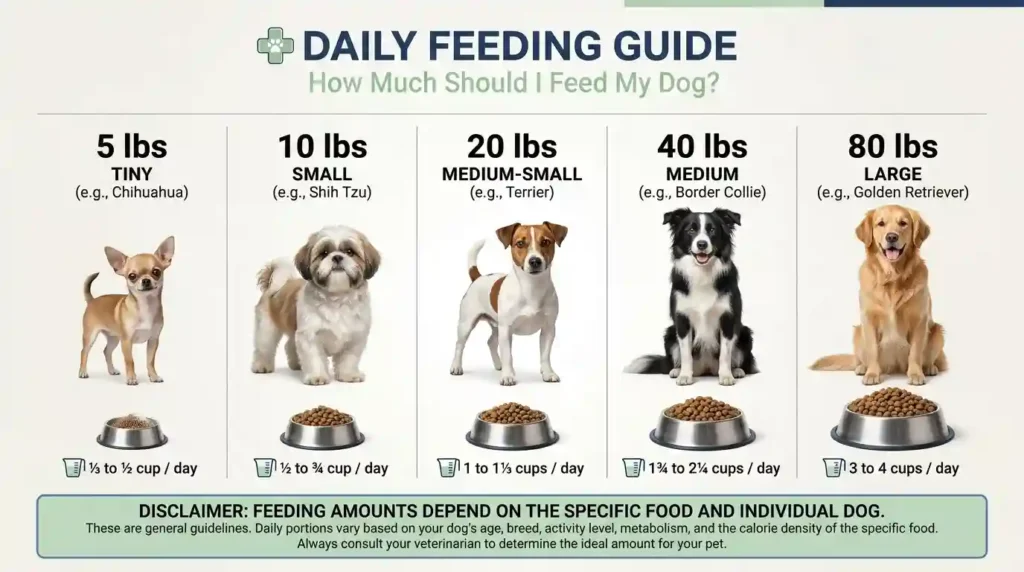
13.1 How Much Purina Pro Plan Should You Feed Daily?
The correct amount depends on weight, activity, body condition, age, and the formula’s calorie content.
Use the product-specific feeding guide as a starting point.
13.2 Purina Pro Plan Feeding Guidelines by Dog Weight
The following table summarizes the published guidance for Complete Essentials Shredded Blend Chicken & Rice.
| Adult Dog Weight | Daily Cups |
| 3–12 lb | 1/2–1¼ |
| 13–20 lb | 1¼–1⅔ |
| 21–35 lb | 1¾–2⅓ |
| 36–50 lb | 2½–3 |
| 51–75 lb | 3¼–4 |
| 76–100 lb | 4–4¾ |
| Over 100 lb | 4¾ cups plus ¼ cup per additional 10 lb |
These are manufacturer guidelines, not individualized prescriptions.
13.3 Adjusting Portions by Age, Activity, and Body Condition
Active dogs may need more calories.
Overweight dogs may need calorie reduction.
Puppies, pregnant dogs, and dogs with medical conditions require different feeding strategies.
13.4 Measuring Calories per Cup and Daily Energy Needs
A kitchen scale can provide more consistent portions than measuring cups.
The reviewed Complete Essentials formula contains approximately 369 kcal per cup.
If a dog requires 738 kcal daily, that equals approximately two cups of this specific formula.
13.5 How to Transition Your Dog to Purina Pro Plan
Seven-to-Ten-Day Food Transition Schedule
| Days | Old Food | New Pro Plan |
| 1–2 | 75% | 25% |
| 3–4 | 50% | 50% |
| 5–6 | 25% | 75% |
| 7 onward | 0% | 100% |
Some dogs may require a slower transition.
Signs of Normal Digestive Adjustment
Normal appetite, stable stool quality, and consistent energy are encouraging.
Managing Diarrhea or Stomach Upset
Slow the transition if mild symptoms occur.
Seek veterinary care for persistent or severe symptoms.
When to Consult a Veterinarian
Consult a veterinarian if vomiting, diarrhea, appetite loss, or other concerning changes persist.
13.6 Mixing Purina Pro Plan With Other Foods
Can You Mix Pro Plan Dry and Wet Dog Food?
Yes, when both foods are appropriate for the dog.
How to Calculate Calories When Mixing Wet and Dry Food
Subtract wet-food calories from the daily calorie target.
Then calculate how much dry food supplies the remaining calories.
How Much of Daily Calories Can Come From Treats?
A common guideline is to limit nutritionally unbalanced extras to approximately 10% of daily calories.
Can You Add Homemade Food to Purina Pro Plan?
Small amounts may be acceptable.
Large amounts can disrupt nutritional balance unless properly formulated.
Does Mixing Complete Dog Foods Affect Nutritional Balance?
Mixing two complete diets intended for the same life stage is often possible.
However, portions must be adjusted.
Example Mixed-Feeding Plan for Small, Medium, and Large Dogs
| Example Daily Calories | Dry Food Calories | Wet Food Calories |
| Small dog: 300 | 240 | 60 |
| Medium dog: 800 | 640 | 160 |
| Large dog: 1,200 | 960 | 240 |
These are illustrative calorie allocations, not recommended amounts for particular body weights.
Common Mistakes When Adding Food Toppers
Common mistakes include failing to count topper calories and adding substantial amounts of nutritionally incomplete food.
13.7 What to Monitor During the First 30 Days on Purina Pro Plan
Week 1: Appetite, Stool Quality, and Food Transition
Monitor digestion, appetite, and food acceptance.
Week 2: Digestive Tolerance and Energy Levels
Observe energy and stool consistency.
Week 3: Skin, Coat, and Body Weight Monitoring
Track weight and any skin changes.
Week 4: Body Condition and Muscle Condition Assessment
Review body condition and muscle condition.
How to Use the Nine-Point Body Condition Score
A nine-point body condition score helps evaluate fat coverage and body shape.
A score around 4–5 is commonly considered ideal for many dogs.
Signs Your Dog May Need a Different Formula
Persistent digestive problems, unwanted weight changes, or diagnosed medical conditions may justify reassessment.
When to Contact a Veterinarian
Seek veterinary advice when symptoms are persistent or significant.
Printable 30-Day Dog Food Monitoring Checklist
| Observation | What to Record |
| Food intake | Grams or cups |
| Appetite | Normal or changed |
| Stool quality | Normal, soft, hard |
| Weight | Weekly measurement |
| Body condition | Periodic assessment |
| Skin and coat | Changes or itching |
| Energy | Normal or unusual |
| Other notes | Treats, illness, medication |
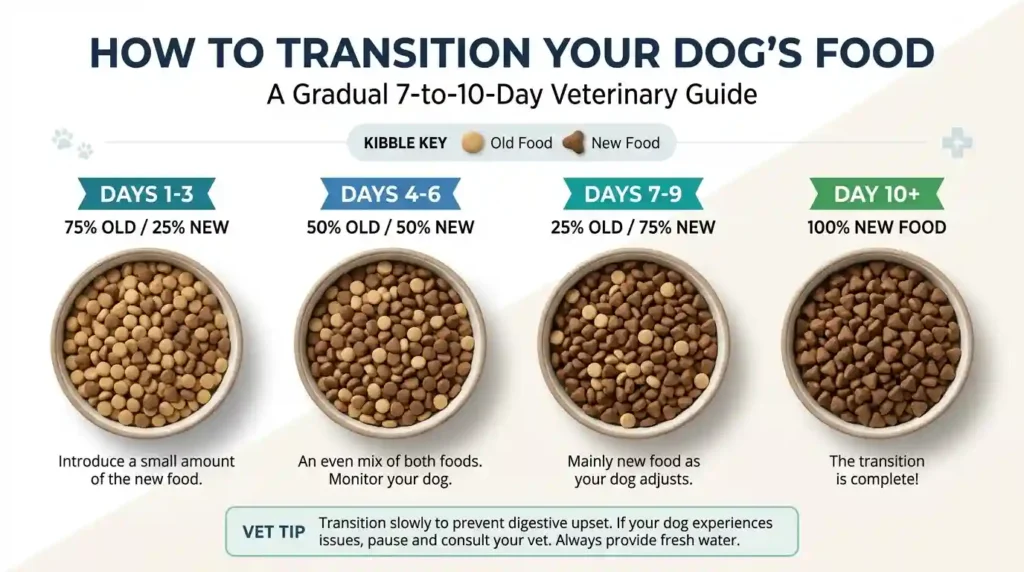
14. Purina Pro Plan Storage, Shelf Life, and Freshness
14.1 How to Store Purina Pro Plan Dry Dog Food Properly
Store kibble in a cool, dry place away from sunlight, moisture, and pests.
Keep the package securely closed.
14.2 How Long Does an Opened Bag of Pro Plan Stay Fresh?
Freshness depends on storage conditions and packaging.
Follow the best-by date and manufacturer instructions.
14.3 Original Bag vs. Airtight Storage Container
Keeping food in its original bag preserves important lot information.
Placing the bag inside an airtight container can help protect it from air and pests.
14.4 How to Store Opened Purina Pro Plan Wet Food
Refrigerate leftovers promptly in a covered container.
Follow package instructions and discard food that has been left out too long.
14.5 Do Heat, Moisture, and Oxygen Affect Food Quality?
Yes.
Heat and oxygen can accelerate fat oxidation.
Moisture can increase spoilage risks.
14.6 How Storage Conditions May Affect Live Probiotics
Probiotic viability depends on the organisms and storage conditions.
Follow manufacturer recommendations and avoid excessive heat and moisture.
14.7 Understanding Best-By Dates and Lot Numbers
The best-by date relates to expected quality under appropriate storage.
Lot numbers help identify production batches.
14.8 Signs That Purina Pro Plan May Be Spoiled or Contaminated
Warning signs include rancid odors, mold, insects, moisture damage, or damaged packaging.
Do not feed suspicious food.
14.9 Does Buying Larger Bags Affect Freshness?
Larger bags may cost less per pound.
However, they can remain open longer.
Choose a bag size that matches consumption and storage capacity.
15. Purina Pro Plan Customer Reviews and Owner Experiences
15.1 What Dog Owners Like About Purina Pro Plan
Positive feedback often highlights palatability, formula variety, and perceived digestive tolerance.
15.2 Most Common Purina Pro Plan Complaints
Complaints may involve price, ingredient preferences, digestive issues, or product changes.
15.3 Customer Experiences With Sensitive Skin and Stomach Formulas
Some owners report improved digestive tolerance.
However, individual reports cannot establish clinical effectiveness.
15.4 Customer Experiences With Puppy and Senior Formulas
Owners may appreciate age-specific nutritional options.
15.5 Taste, Palatability, and Food Acceptance Feedback
Food acceptance varies by recipe and individual dog.
15.6 Digestibility and Stool Quality Reviews
Stool quality can provide useful observations but does not directly measure complete nutrient digestibility.
15.7 Product Reliability and Consistency
Long-term customers may value consistent product availability.
However, owners should monitor ingredient and label changes.
15.8 Long-Term Customer Satisfaction and Brand Reputation
Pro Plan has a substantial customer base and strong recognition among pet owners.
However, online ratings should be considered alongside nutritional evidence.
16. Purina Pro Plan Pricing and Value for Money
16.1 How Much Does Purina Pro Plan Dog Food Cost?
Pro Plan is positioned above many mainstream dog food brands.
Prices vary by retailer, bag size, formula, and promotion.
16.2 Price Comparison Across Pro Plan Product Lines
Complete Essentials Pricing
Complete Essentials is generally one of the more accessible Pro Plan product families.
Sensitive Skin and Stomach Pricing
Sensitive Skin & Stomach often costs more because of its specialized formulation.
Sport and Performance Pricing
Sport pricing varies according to formula and bag size.
Puppy and Senior Formula Pricing
Growth and senior formulas may carry different prices.
Veterinary Diet Pricing
Veterinary therapeutic diets often cost substantially more.
16.3 Price per Pound and Serving
Divide the bag price by its weight to calculate cost per pound.
For example, a hypothetical 30-pound bag costing $75 would cost $2.50 per pound.
This is an illustrative calculation, not a verified current retail price.
16.4 Cost per 1,000 Calories
At 3,790 kcal/kg, Complete Essentials Chicken & Rice provides approximately 1,719 kcal per pound.
Using the hypothetical price of $2.50 per pound, its cost would be approximately $1.45 per 1,000 kcal.
16.5 Estimated Daily and Monthly Feeding Costs
Using the illustrative $1.45 per 1,000 kcal cost:
| Daily Calories | Daily Cost | Monthly Cost |
| 300 | $0.44 | $13.05 |
| 600 | $0.87 | $26.10 |
| 900 | $1.31 | $39.15 |
| 1,200 | $1.74 | $52.20 |
These are hypothetical examples rather than verified current prices or individualized calorie recommendations.
16.6 Is the Cheapest Bag Always the Cheapest Food to Feed?
No.
A food with greater calorie density may require smaller portions.
Compare cost per 1,000 kcal.
16.7 Is Purina Pro Plan Worth the Higher Price?
For many owners, the extensive formula range, research support, and nutritional specialization may justify the higher cost.
However, healthy dogs can also thrive on less expensive complete diets.
16.8 Where to Buy Purina Pro Plan Dog Food
Pro Plan is sold through pet specialty retailers, online stores, and selected veterinary channels.
17. Purina Pro Plan vs. Other Dog Food Brands
17.1 Purina Pro Plan vs. Purina ONE
Ingredient and Nutritional Differences
Both offer science-based nutrition.
Pro Plan generally provides more specialized formulations.
Specialized Nutrition and Product Variety
Pro Plan has a broader selection for particular life stages, breed sizes, and feeding needs.
Price and Overall Value
Purina ONE is usually less expensive.
17.2 Purina Pro Plan vs. Hill’s Science Diet
Both brands emphasize nutritional research and specialized formulas.
Our guide is hills a good dog food provides additional detail.
17.3 Purina Pro Plan vs. Royal Canin
Royal Canin emphasizes breed-specific and veterinary nutrition.
Pro Plan offers a broad range of specialized diets with different ingredient and pricing approaches.
17.4 Purina Pro Plan vs. Blue Buffalo
Blue Buffalo often emphasizes selected ingredient and marketing characteristics.
Pro Plan focuses strongly on research and specialized nutrition.
17.5 Purina Pro Plan vs. Orijen
Orijen emphasizes high animal-ingredient inclusion.
Pro Plan prioritizes complete formulation and specialized nutrition.
17.6 Purina Pro Plan vs. IAMS
IAMS provides mainstream complete diets.
Pro Plan generally offers a broader premium and specialized range.
17.7 Purina Pro Plan vs. Eukanuba
Eukanuba emphasizes performance and life-stage nutrition.
Both brands can be evaluated according to specific formulas.
17.8 Purina Pro Plan vs. Natural Balance
Natural Balance offers different ingredient approaches.
Our article is natural balance dog food good examines its formulas.
17.9 Which Dog Food Brand Offers the Best Nutritional Value?
The best choice depends on the dog’s nutritional requirements and the owner’s budget.
For affordable alternatives, read is purina dog chow good, Is Beneful a Good Dog Food, and Pedigree a good dog food.
Our guides Is Diamond Dog Food Good, Is Diamond Naturals a Good Dog Food, and is pure balance dog food good examine additional value-focused choices.
For working dogs and performance feeding, explore is black gold dog food good and Is Next Level dog food good.
Owners interested in alternative food textures can compare Is Freshpet Good for Dogs, is just food for dogs good, and is moist and meaty good for dogs.
18. Purina Pro Plan Sustainability and Ethical Considerations
18.1 Environmental Impact of Purina Dog Food Manufacturing
Pet food production uses agricultural materials, energy, water, packaging, and transportation.
The environmental impact varies according to ingredients and manufacturing processes.
18.2 Ingredient Sourcing and Sustainability
Purina describes supplier assessment and responsible sourcing procedures.
However, product-specific environmental performance requires measurable data.
18.3 Packaging Materials and Environmental Waste
Dry food bags and wet food containers create different packaging demands.
Local recycling options vary.
18.4 Animal Feeding Research and Animal Welfare
Nutritional research can provide valuable evidence.
Ethical considerations include animal welfare, study design, and veterinary oversight.
18.5 Purina’s Sustainability Initiatives
Purina participates in broader corporate sustainability programs.
However, company-wide commitments should not automatically be interpreted as proof of a particular product’s environmental superiority.
18.6 Environmental Responsibility vs. Nutritional Quality
Environmental impact and nutritional adequacy are different evaluation criteria.
A diet should first meet the dog’s nutritional needs.
19. Purina Pro Plan Recipe Changes and Recent Developments
19.1 Recent Purina Pro Plan Product Line Changes
Pro Plan continues to expand and revise its product range.
The AdvantEDGE launch in April 2026 is a notable recent development.
19.2 New Formulas and Nutritional Innovations
Newer formulas emphasize targeted microbiome and senior support.
However, product claims should be evaluated using formulation-specific data.
19.3 Changes in Ingredients and Guaranteed Analysis
Manufacturers can revise recipes.
Always check current packaging.
19.4 Discontinued, Renamed, and Reformulated Recipes
Some older recipe names remain visible in online reviews after product changes.
Verify current availability before purchasing.
19.5 How to Compare Old and New Purina Pro Plan Labels
Compare ingredients, guaranteed analysis, calories, and nutritional adequacy statements.
19.6 What Recipe Changes Mean for Your Dog
A reformulation may change feeding amounts or ingredient tolerance.
Consult a veterinarian if significant symptoms develop.
20. How Purina Pro Plan Was Evaluated
20.1 Review Methodology and Evaluation Criteria
This article evaluates nutritional adequacy, research support, ingredient composition, manufacturing oversight, safety records, feeding suitability, and value.
20.2 Ingredient Quality and Label Analysis
Representative U.S. product labels were reviewed.
20.3 Nutritional Adequacy and Macronutrient Evaluation
Guaranteed analyses and metabolizable energy figures were used.
Calculated nutrient densities were identified as estimates.
20.4 Scientific Research and Feeding Trial Evidence
AAFCO statements and manufacturer research were evaluated separately.
20.5 Recall History and Safety Verification
Historical recalls were distinguished from unrelated Purina products.
20.6 Price, Value, and Competitor Comparisons
Price examples are hypothetical because retail pricing changes.
20.7 How Editorial Ratings and Lab Scores Differ
Editorial ratings involve selected criteria and judgment.
Laboratory analyses provide measured nutrient or contaminant data.
They should not be confused.
20.8 Why Purina Pro Plan Review Scores Vary
Ingredient-Based Ratings
These emphasize ingredient names and perceived quality.
Nutrition and Research-Based Ratings
These emphasize nutritional adequacy, formulation expertise, and feeding evidence.
Customer Satisfaction Ratings
These reflect consumer experience.
20.9 Research Sources and Editorial Transparency
The evaluation considers manufacturer labels, FDA regulatory information, AAFCO nutritional principles, and WSAVA manufacturer-selection guidance.
20.10 Review Limitations
This review does not represent independent laboratory testing or a controlled feeding study.
The editorial rating is qualitative.
Product labels and prices can change.
21. Final Verdict: Is Purina Pro Plan Worth Buying?
21.1 Overall Assessment of Purina Pro Plan
Purina Pro Plan is a strong premium dog food brand with meaningful scientific and manufacturing credentials.
Its most important strengths include research support, specialized formulations, and nutritional adequacy.
21.2 Who Should Choose Purina Pro Plan?
Owners seeking targeted nutrition for puppies, adults, seniors, active dogs, or specific digestive needs may find Pro Plan particularly useful.
21.3 Who Should Consider Alternatives?
Owners on tighter budgets may prefer another complete diet.
Dogs with diagnosed allergies or medical conditions may require veterinary therapeutic products.
21.4 Best Purina Pro Plan Formulas by Feeding Need
| Dog’s Need | Suggested Product Family |
| Healthy adult | Complete Essentials |
| Puppy growth | Puppy |
| Sensitive digestion | Sensitive Skin & Stomach |
| High physical activity | Sport |
| Senior nutrition | Bright Mind or Adult 7+ |
| Weight management | Weight Management |
| Clinical nutritional management | Veterinary Diets |
21.5 Final Recommendation
Overall editorial rating: 4.4/5.
Purina Pro Plan is worth considering for owners who want evidence-informed nutrition and a broad range of specialized formulas.
Its higher price and selected ingredients may not appeal to everyone, but those limitations do not negate its nutritional strengths.
22. Frequently Asked Questions About Purina Pro Plan
Is Purina Pro Plan a Good Dog Food?
Yes, it is a science-based premium brand suitable for many dogs when the correct formula is selected.
Is Purina Pro Plan Good for Dogs?
Yes, many Pro Plan formulas provide complete nutrition for their intended life stages.
Is Purina Pro Plan Good for Puppies?
Yes, Pro Plan offers growth-specific puppy formulas.
Is Purina Pro Plan Puppy Food Good?
Yes, appropriate Pro Plan Puppy formulas provide nutrients designed for growth and development.
Is Purina Pro Plan a Good Puppy Food?
It can be an excellent option when its nutritional adequacy statement matches the puppy’s growth requirements.
Is Purina Pro Plan Bad for Dogs?
No, Pro Plan is not inherently bad for dogs, although individual formulas may be unsuitable for certain animals.
Do Veterinarians Recommend Purina Pro Plan?
Many veterinarians recommend it because of its research credentials and specialized formulations.
Is Purina Pro Plan Better Than Purina ONE?
Pro Plan offers more specialized options, while Purina ONE is often more affordable.
Is Purina Pro Plan Better Than Hill’s Science Diet?
Neither is universally better; suitability depends on the specific formula and dog.
Is Purina Pro Plan Grain-Free?
Most familiar recipes contain grains, although selected grain-free options have existed.
Does Purina Pro Plan Contain Probiotics?
Many formulas do, but not every recipe contains the same probiotic strain or amount.
Is Purina Pro Plan Good for Sensitive Stomachs?
Selected Sensitive Skin & Stomach formulas may be suitable, depending on the cause of the sensitivity.
Is Purina Pro Plan Good for Senior Dogs?
Yes, the brand offers senior-focused formulas such as Bright Mind.
Is Purina Pro Plan Good for Large-Breed Puppies?
Specific growth-appropriate formulas are available; verify the large-breed growth adequacy statement.
Is Purina Pro Plan Sport Good for Dogs?
It can be suitable for active and working dogs requiring concentrated nutrition.
Does Purina Pro Plan Cause Heart Disease?
No general causal conclusion has been established; concerns about diet-associated DCM require formula-specific and veterinary evaluation.
Has Purina Pro Plan Been Recalled?
Yes, selected Pro Plan and Veterinary Diets products have experienced documented recalls.
Is Purina Pro Plan Made in the USA?
Purina states that U.S.-market Pro Plan is manufactured at its U.S. facilities.
Does Purina Pro Plan Use Real Meat?
Yes, many recipes list chicken, beef, salmon, or other named animal proteins.
Does Purina Pro Plan Contain By-Products?
Some formulas contain poultry by-product meal.
Is Purina Pro Plan Worth the Money?
For many owners seeking specialized, research-supported nutrition, it can justify its premium price.
23. Final Thoughts
So, is Purina Pro Plan a good dog food? For many puppies, adults, seniors, and active dogs, the answer is yes. Its extensive research, qualified nutritional professionals, AAFCO feeding-trial-supported formulas, and diverse product range make it a strong premium option.
However, no brand is ideal for every dog. Individual ingredient tolerance, medical conditions, life stage, calorie needs, and budget all matter. Compare the exact formula’s ingredients, nutritional adequacy statement, and feeding instructions rather than relying solely on marketing claims or online ratings.
If your dog has allergies, digestive problems, kidney disease, or other health concerns, ask a veterinarian to recommend an appropriate diet.
For more comparisons and helpful canine nutrition advice, explore our Dog Food Brand Reviews to find the best match for your dog’s needs.